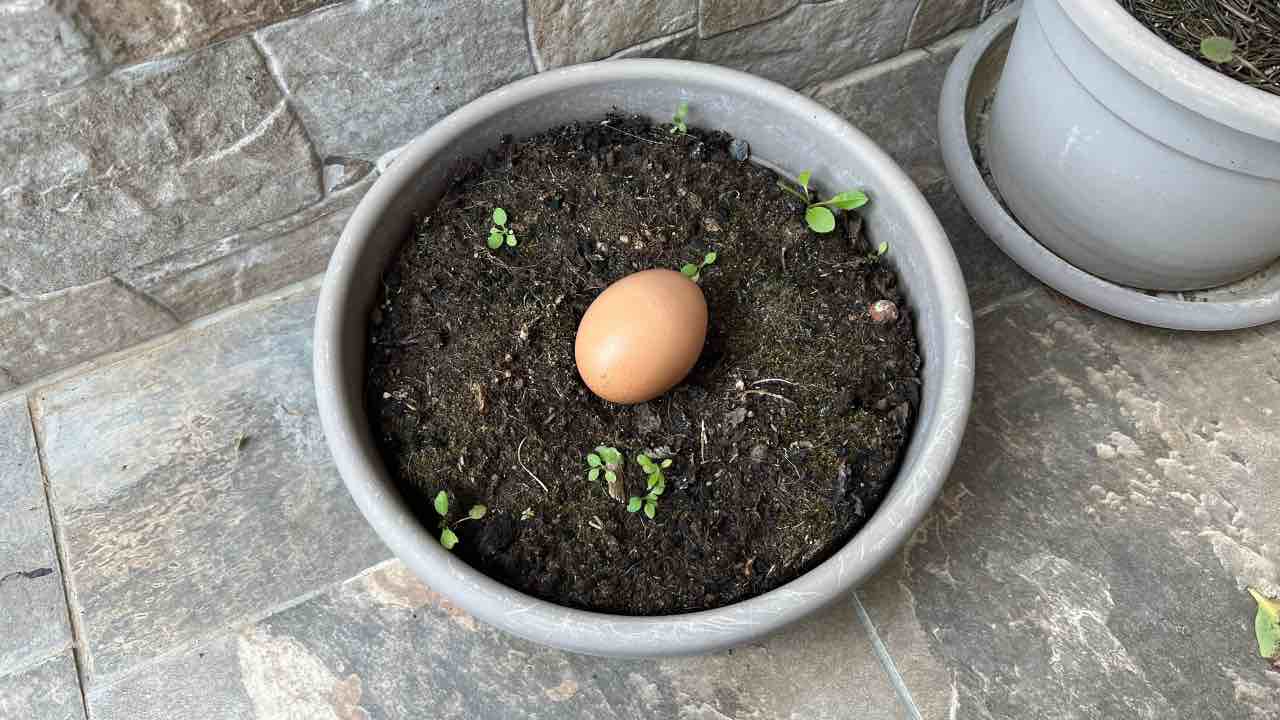
Curious about what happens when you bury an egg in your garden soil? The results after just 10 days are quite remarkable. Discover how this simple method can transform your garden and enrich your soil.
The Benefits of Using Eggs in Your Garden
In gardening, soil health is crucial for the growth of healthy plants. Traditionally, gardeners rely on commercial fertilizers, which can be costly and often contain harsh chemicals. However, there are natural alternatives you can use to enrich your soil, and one of these is the humble egg.
What Happens When You Bury an Egg?
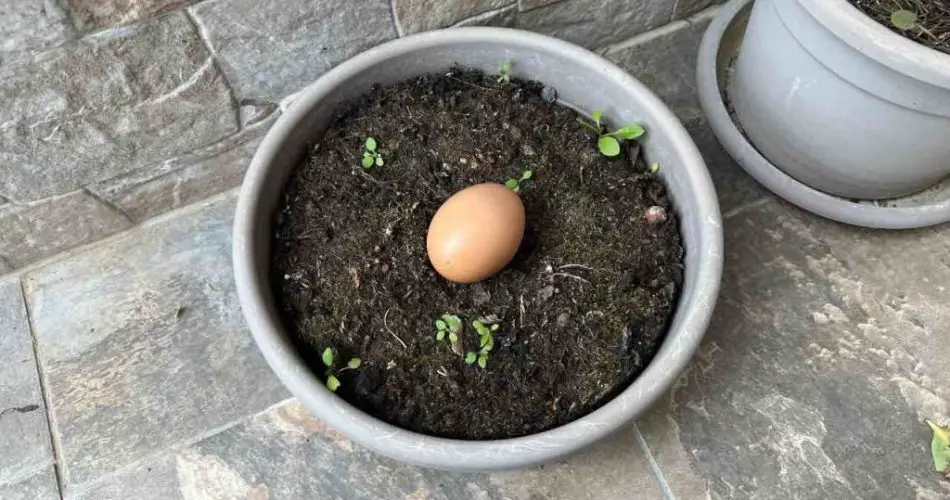
Burying a raw egg in your garden soil can serve as an effective natural fertilizer. After approximately 10 days, you’ll notice significant improvements. Here’s how it works: the egg decomposes, enriching the soil with nutrients. Simply place a whole egg at the bottom of a planting hole or in a pot before adding soil. As the egg breaks down, it provides essential nutrients such as calcium, nitrogen, and phosphoric acid, which are beneficial for plant growth.
How to Use Eggs for Fertilization
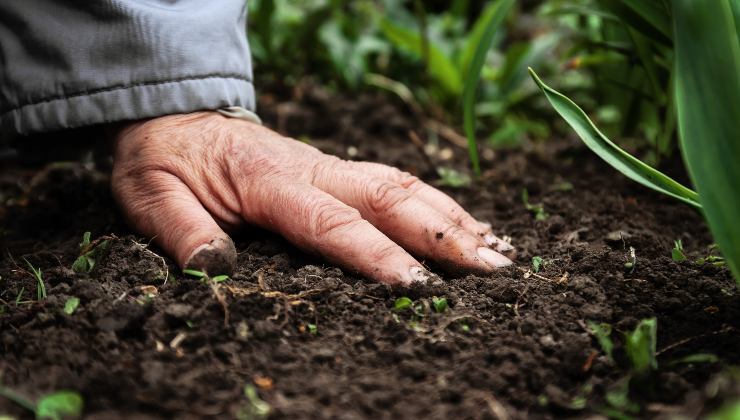
For New Plantings: This method is particularly useful when preparing soil for new plants. Bury the egg in the soil before planting your seedlings or seeds. The decomposing egg will gradually release nutrients, promoting strong root development and overall plant health.
For Existing Plants: If you want to use eggs for plants that are already growing, exercise caution. Insert the egg carefully to avoid damaging plant roots. Alternatively, you can use eggshells to avoid disturbing established plants.
Using Eggshells as Fertilizer
Eggshells are another excellent way to harness the benefits of eggs in gardening. They are rich in calcium, which strengthens plant stems and improves soil structure. To use eggshells:
- Prepare the Shells: Collect and rinse eggshells. Boil them for 5 minutes to sterilize and then dry them thoroughly in the sun.
- Crush the Shells: Once dry, crush the eggshells into small pieces using a mortar and pestle or a spoon.
- Apply to Soil: Sprinkle the crushed eggshells around your plants or mix them into the soil.
Why Eggshells are Effective
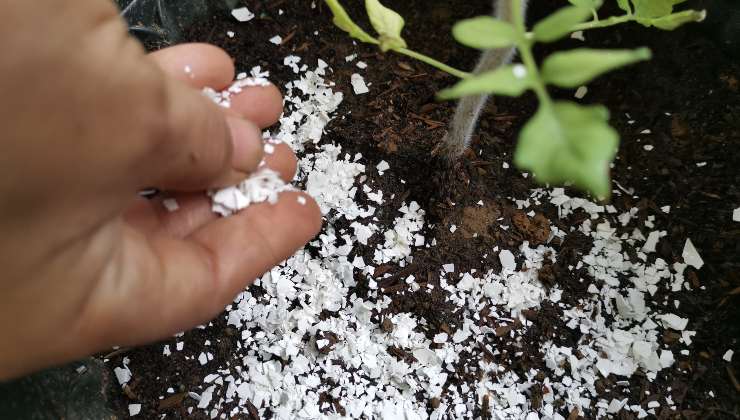
Eggshells provide a slow-release source of calcium, which helps prevent common plant issues like blossom end rot. They also improve soil aeration and drainage, making them a versatile addition to your garden.
Conclusion
Both whole eggs and eggshells offer valuable benefits as natural fertilizers. Whether you’re preparing new soil or enhancing existing garden beds, these methods are simple, cost-effective, and environmentally friendly alternatives to chemical fertilizers. Give them a try and see the positive changes in your garden’s health and productivity!
Happy gardening! 🌱🐥