Potassium is one of the three essential nutrients for plant growth, alongside nitrogen and phosphorus. While gardeners frequently use potassium chloride as a fertilizer in their gardens, it’s also important to remember that houseplants need potassium too. This powerful mineral plays a key role in promoting healthy growth and flowering, so let’s explore how you can use potassium chloride to boost your plant’s health.
What Is Potassium Chloride?
Potassium chloride is a cleaned, chemical-free form of potassium, which is vital for photosynthesis in plants. This microelement helps stimulate enzymatic processes, increasing the plant’s resistance to pests, fungi, and diseases.
Potassium is crucial for water absorption and for the synthesis of plant sugars, which are the primary source of food for plants. It also plays a significant role in promoting healthy flowering and enhancing the quality of fruits and vegetables. Potassium is found in many foods such as bananas, leafy greens, and legumes.
How Potassium Chloride Helps Plants
Adding potassium chloride to the soil supports your plants in several ways:
- It enhances photosynthesis and improves plant health.
- It promotes stronger stems, helps plants resist diseases, and encourages beautiful blooms.
- It ensures optimal growth of fruiting plants and improves flower production.
When Should You Use Potassium Chloride?
Potassium chloride is particularly useful when the soil’s pH is on the alkaline side. However, it is not recommended for acid-loving plants like hydrangeas, azaleas, or rhododendrons. Excessive use can harm plants that prefer more acidic soil. Before applying potassium chloride, it’s best to perform a soil test to check for potassium deficiency.
How to Use Potassium Chloride for Indoor and Outdoor Plants
If you want to improve your plant’s growth, potassium chloride can be easily used both indoors and outdoors. Here’s how:
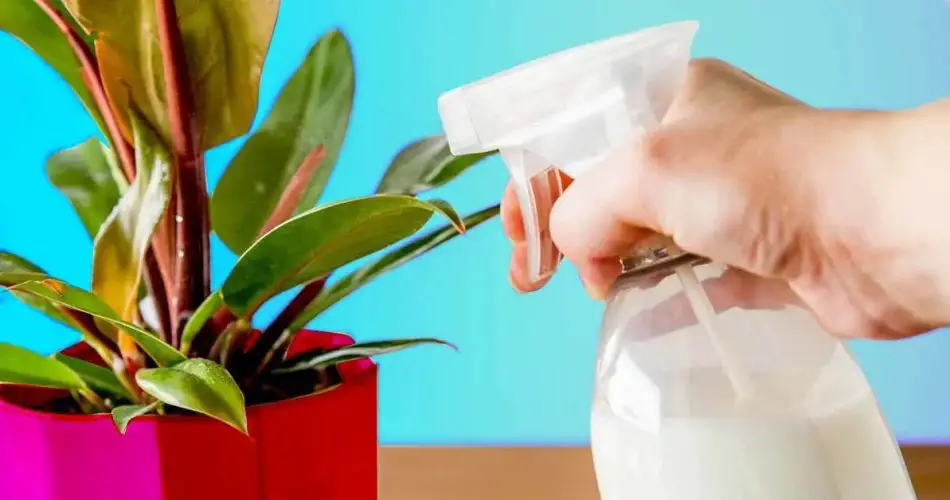
- For flowers: Dissolve ½ teaspoon of potassium chloride in 3 liters of water. Water your plants with this solution to help boost their flowering.
- For garden plants: For healthy, flourishing plants, mix potassium chloride into the soil, particularly when it’s alkaline. However, keep in mind that too much potash can harm certain plants, so it’s important to use it sparingly.
Other Ways to Boost Potassium Levels in Your Garden
In addition to potassium chloride, there are other natural ways to increase potassium in your garden:
- Wood Ash: Great for adding potassium to compost and improving soil health.
- Manure: Low in potassium, but can be used in compost. Be cautious, as it can burn plant roots if overused.
- Seaweed and Green Sand: Both are rich in potash and can help maintain potassium levels in your garden.
Caution: Avoid Overuse of Potassium Chloride
While potassium is not toxic to plants, excess potassium can accumulate as salt, which can damage plant roots. Therefore, it’s crucial to avoid overuse. For most gardens, annual compost applications provide enough potassium. If you have sandy soil, you may need to incorporate more organic materials like leaves and compost to improve soil fertility.
Conclusion
Potassium chloride is an excellent way to boost the growth and health of your plants. Whether you are growing houseplants or cultivating a garden, potassium helps ensure vibrant blooms and abundant harvests. Just remember to test your soil and use it sparingly to avoid nutrient imbalances. With the right care and attention, potassium chloride can be your secret to flourishing plants all year long.