Many plants are not only beautiful but also enhance our cooking, especially aromatic herbs. However, it’s important to recognize that some of these plants can be toxic, even when commonly found in our kitchens.
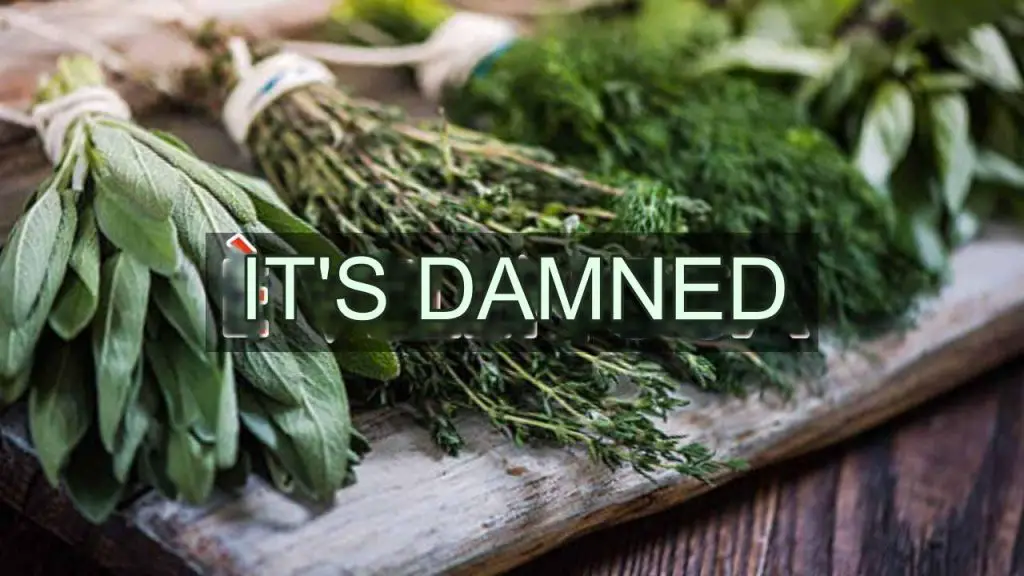
The Poisonous Plant: Parsley
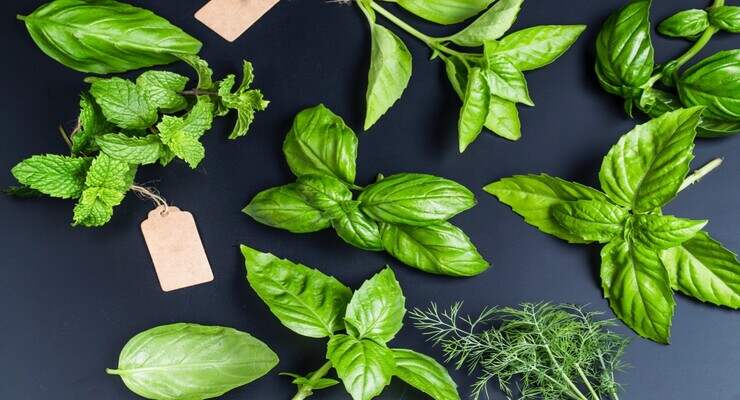
Among the various herbs, parsley is a staple in many households. While the leaves we use in cooking are not poisonous and are rich in vitamins like C, beta-carotene, and iron, caution is needed when the plant is in bloom.
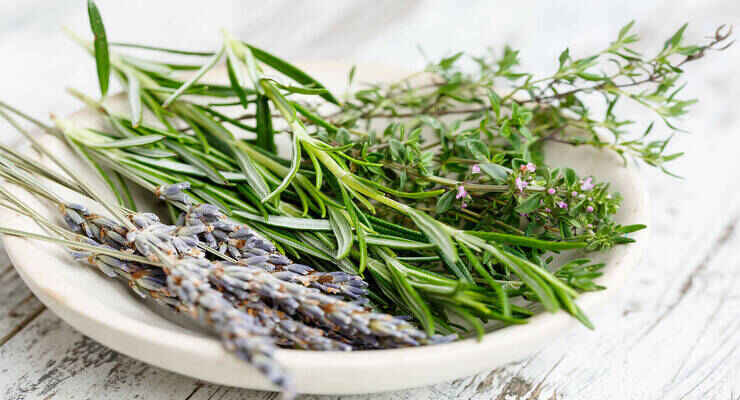
The Dangers of Flowering Parsley
- Toxicity: The plant becomes dangerous when it flowers, as the seeds contain apiol, which can harm muscle fibers, the uterus, and the intestine.
- Health Risks: Contact with the flowers and seeds can lead to serious issues, including liver and kidney damage, as well as allergic reactions in sensitive individuals.
To enjoy parsley safely, it’s best to harvest the leaves before flowering and avoid the plant entirely after it blooms.
Other Hidden Toxic Plants in the Kitchen
Parsley isn’t the only unexpected toxic plant. The potato is another example; when it turns green, it produces a toxin called solanine, which can be harmful if ingested.
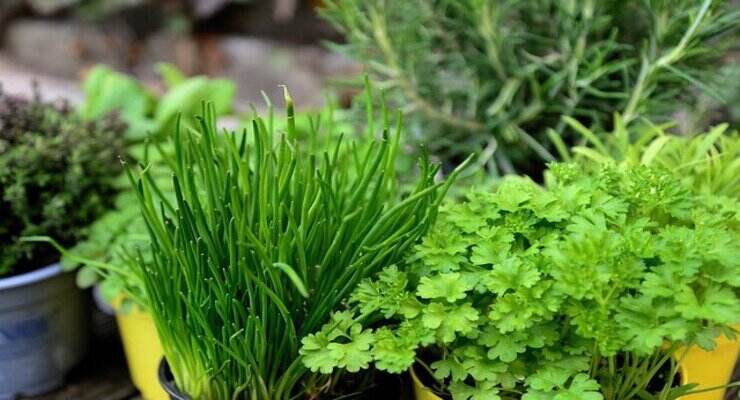
Safe Practices
- Always harvest parsley leaves before flowers appear.
- Be cautious with green potatoes and avoid consuming them.
Understanding these risks allows us to enjoy our culinary herbs while keeping our kitchens safe.