Did you know some plants can attract a host of insects into your living space? Let’s explore which plants you should think twice about keeping indoors!
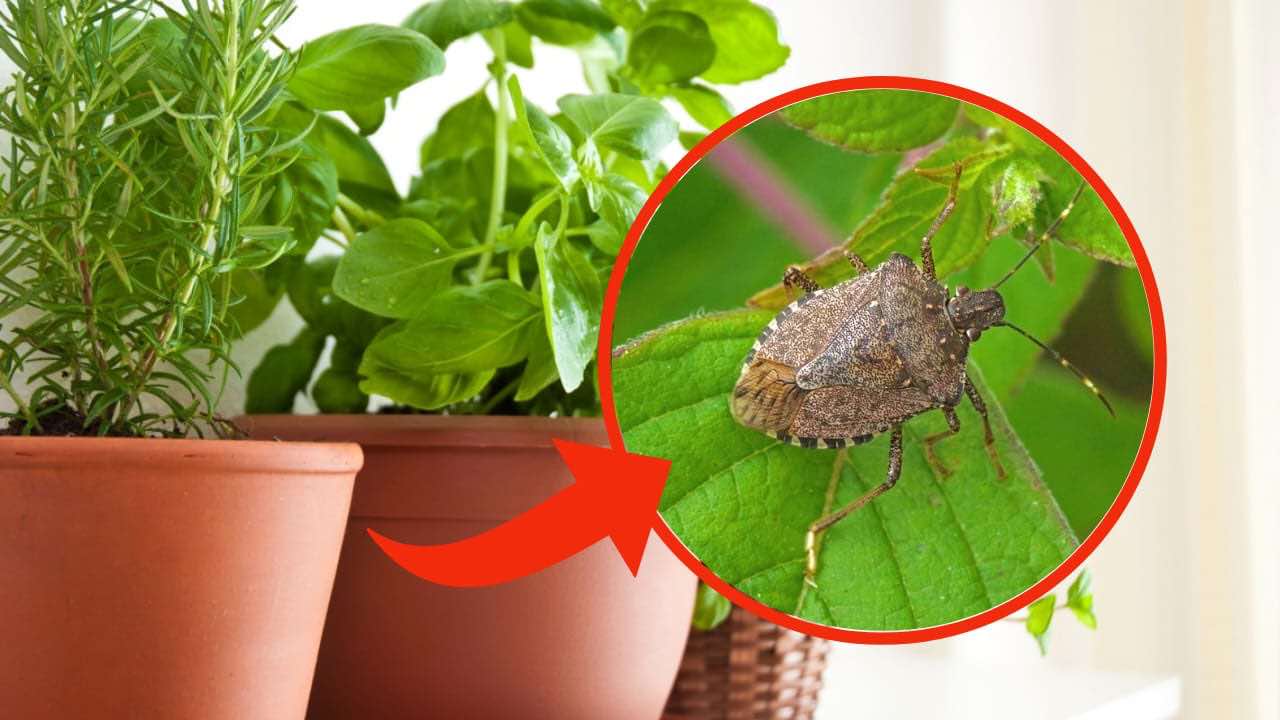
Insects in the House
When insects invade, it can be quite bothersome. Some plants, while beautiful, are known to attract unwanted critters. Here are a few that you should definitely avoid having in your home!
Plants That Attract Insects
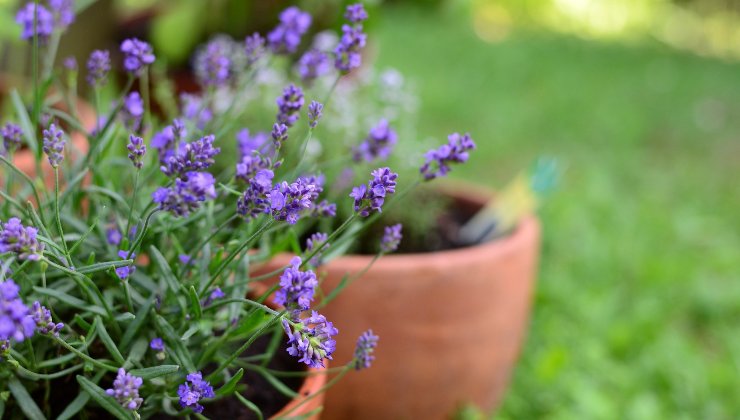
1. Lavender
Lavender is a stunning and fragrant plant known for its many benefits, including medicinal uses and beauty applications. However, it attracts bumblebees and other pollinators due to its sweet scent. If you prefer not to invite these insects indoors, it’s best to keep lavender in the garden rather than in your apartment.
2. Calla Lily
While the Calla Lily is a symbol of elegance and perfect for garden decoration, it also draws insects like praying mantises and crickets. If you want to enjoy its beauty without the accompanying bugs, keep it outside.
Other Insect-Attracting Plants
3. Sage
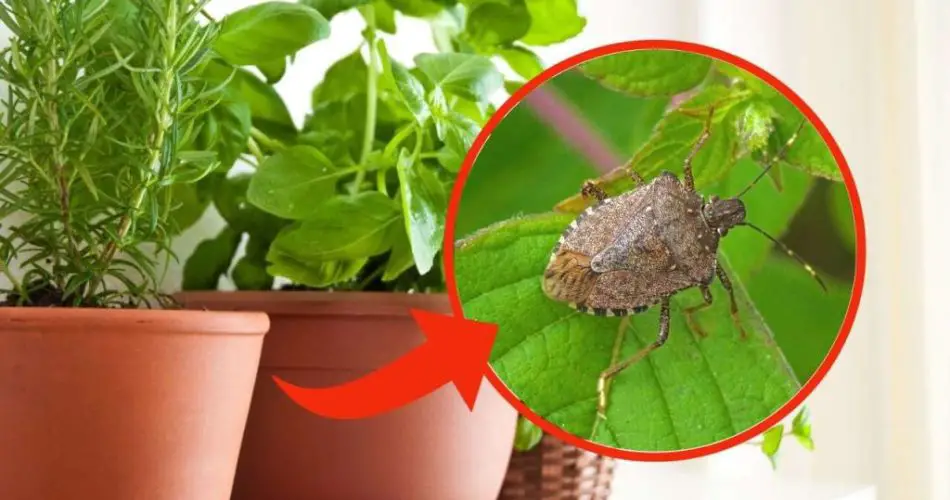
This aromatic herb has a strong scent that attracts the carabiniere bug, easily recognized by its red body with black dots. Although sage is useful for culinary and medicinal purposes, if you want to avoid these insects, consider growing it outside.
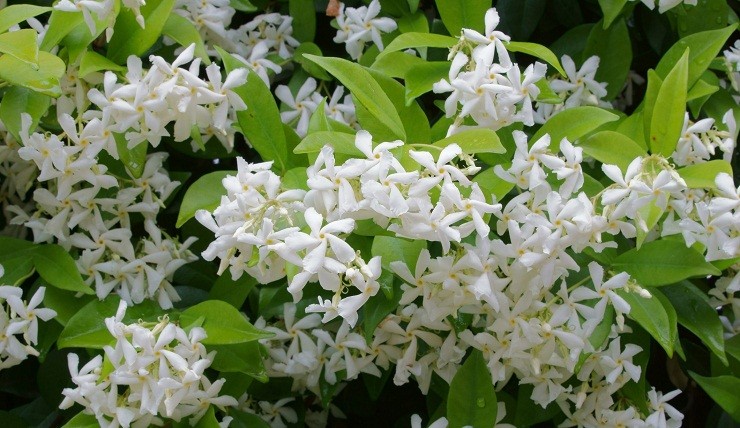
4. Jasmine
Jasmine, known for its long stems and small white flowers, can attract fireflies. These insects are drawn to calm environments, so if you want to keep your home bug-free, it’s advisable to enjoy jasmine outdoors.
More Plants to Consider
5. Dandelion
Commonly known as a natural remedy, the dandelion attracts insects like bees and ladybugs when allowed to flower. For the best results, plant it in the garden or on your balcony to keep your indoor space clear of bugs.
6. Wild Fennel
While wild fennel is a popular culinary herb, it attracts swallowtail butterflies, ladybugs, and parasitic wasps. To avoid an influx of insects, it’s better to keep this plant in your vegetable garden.
Conclusion
While many of these plants attract insects, they also offer numerous benefits. By placing them outside or in designated areas, you can enjoy their advantages without inviting pests into your home. Choose wisely to keep your indoor space thriving and bug-free!