When you picture a plant, your mind probably envisions something green—leaves, stems, and all. But did you know that not all plants are green?
The green color in plants comes from chlorophyll, the pigment responsible for photosynthesis. However, some plants have different pigments, such as anthocyanins and carotenoids, which give them vibrant shades of red, purple, yellow, and even black.

Some plants even skip photosynthesis altogether, making them heterotrophic—meaning they obtain nutrients from other sources instead of sunlight!
Let’s explore five unique plants that aren’t green.
🌈 5 Non-Green Plants You Should Know

1️⃣ Coleus
🟥🟨 Famous for its multicolored leaves, Coleus comes in shades of red, purple, yellow, and striking combinations. It’s a favorite in gardens for adding a pop of color.
2️⃣ Heuchera (Coral Bells)
🍁 This perennial plant features leaves in shades of red, bronze, purple, and even black. It’s a perfect choice for those looking to add warm, earthy tones to their garden.
3️⃣ Caladium
🌸 Native to tropical regions, Caladium leaves can be white, pink, red, or a beautiful mix of colors. Its vibrant patterns make it a showstopper in any indoor or outdoor setting.
4️⃣ Begonia Rex
✨ Known for its silvery, red, pink, and even black leaves, Begonia Rex is an eye-catching plant that thrives in shady areas. It’s a great choice for houseplant lovers!
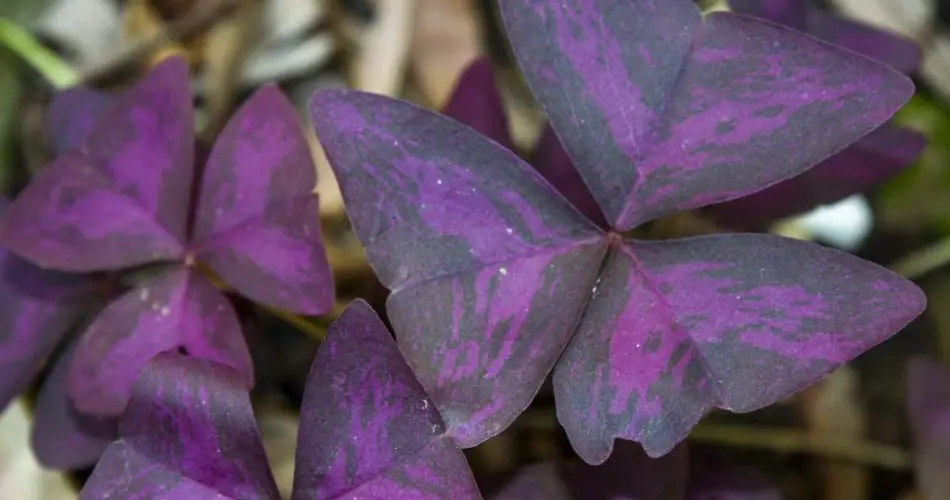
5️⃣ Oxalis Triangularis (False Shamrock)
💜 This deep purple plant is an unusual twist on the traditional green shamrock. Its triangle-shaped leaves fold up at night and reopen in the morning, making it a fascinating addition to any plant collection.
🌍 Nature’s Palette: Beyond Green
Plants come in all colors, each with its own biological advantage and aesthetic beauty. Whether they contain different pigments or have adapted to life without photosynthesis, these plants prove that green isn’t the only color in nature! 🌿🌈