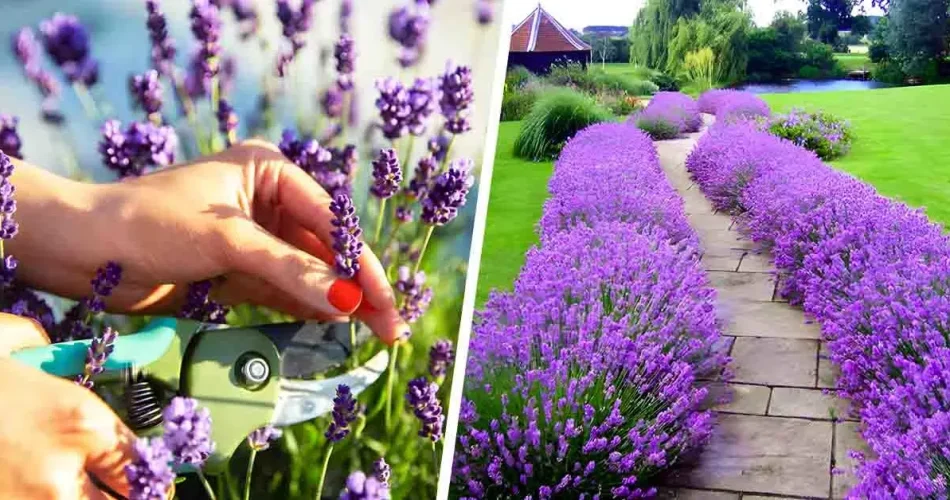
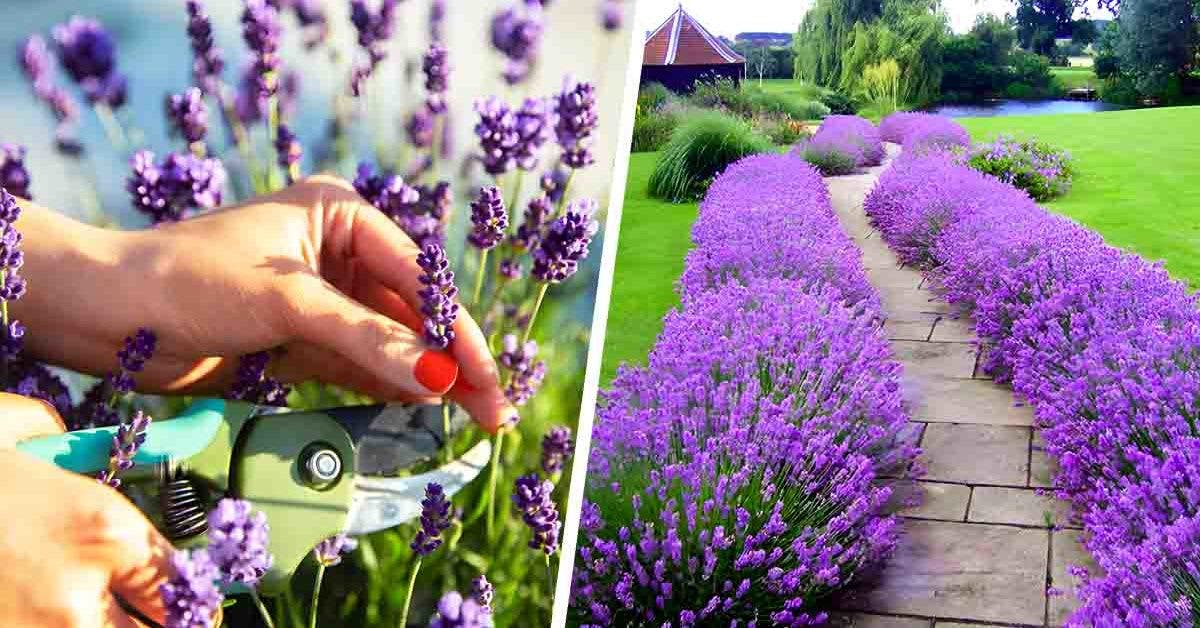
A garden hedge not only defines your property but also offers privacy and beauty. Whether it’s a flowering hedge or a lush green one, it adds a colorful touch to your outdoor space. For a fragrant, flowering hedge, lavender is the perfect choice. Known for its beautiful scent and vibrant purple flowers, lavender is easy to grow and will fill your garden with a lovely fragrance. Here are seven key tips to properly plant and maintain a lavender hedge in your garden.
1. Lavender: The Ideal Plant for a Beautiful Flowering Hedge
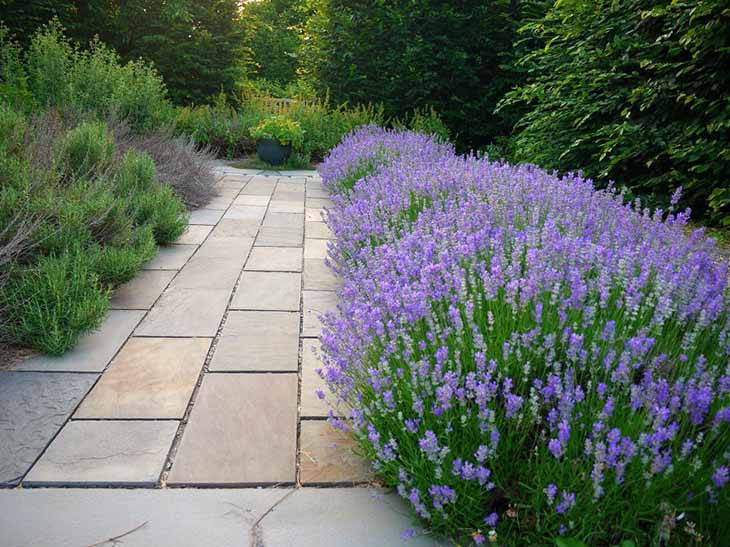
Lavender is a hardy plant that requires minimal maintenance. These small shrubs are renowned for their purple flowers and summer-like fragrance. Depending on the species, lavender flowers may range from white to pink, blue, or purple. A lavender hedge is perfect for creating a flowery and fragrant border along paths or garden edges. Once established, lavender doesn’t need frequent watering and can thrive even during dry spells.
2. Plant Lavender in the Right Conditions
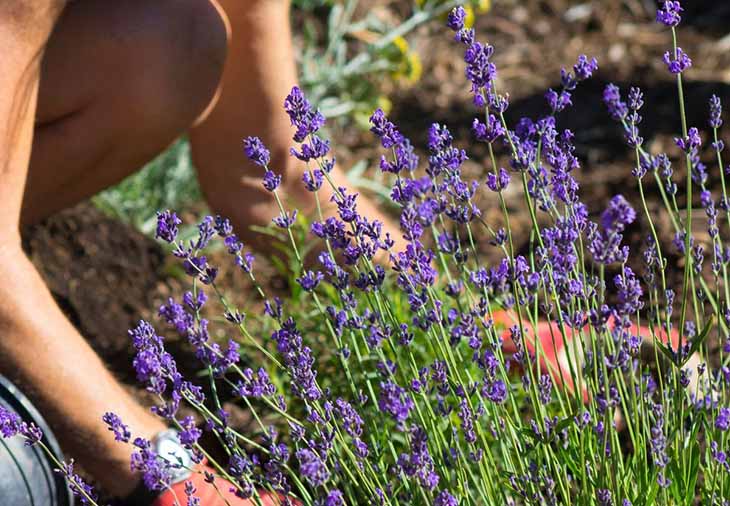
To grow a flowering lavender hedge, you need to plant lavender in dry soil and a sunny spot. Lavender requires at least six hours of sunlight each day to flourish. It thrives best in hot, dry climates and does not require frequent watering. Additionally, lavender plants prefer well-drained soil enriched with gravel to ensure proper drainage.
3. Choose the Right Location for Your Lavender Hedge
For a harmonious and healthy lavender hedge, space the lavender plants about 30-40 centimeters apart. Lavender plants tend to spread, so allowing enough space ensures proper growth. Dig a sufficiently wide hole for each plant. Position the lavender with the top of the root ball slightly lower than the surrounding soil level. Press the soil around the plant and water it to moisten the soil—avoid overwatering as it can affect the plant’s rounded shape.
4. Trim Your Lavender Hedge Regularly
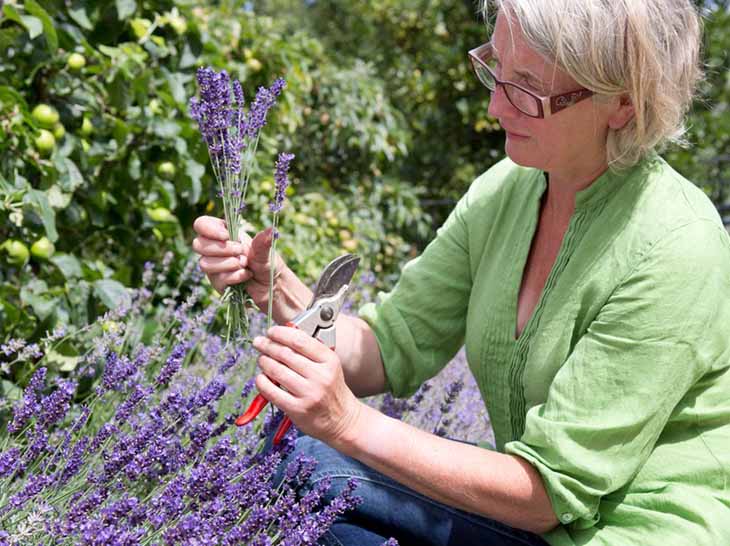
To keep your lavender hedge looking its best, prune the plants at the end of each flowering season. Cut back two-thirds of the young shoots and remove any faded stems as close to the roots as possible. Trimming the branches to half their length will encourage fresh growth and improve the overall structure of the hedge.
5. Ensure Proper Air Circulation for Healthy Lavender Growth
Good air circulation is essential for growing a healthy lavender hedge and preventing disease. Space the plants well to allow air to flow freely around them. This not only helps to avoid fungal infections but also ensures the roots don’t rot, creating a healthier environment for the plants.
6. Adhere to Proper Planting Distances for Your Hedge
When planting your lavender hedge, make sure it follows the local regulations regarding planting distances. If your hedge will grow to a height of 2 meters or less, it can be planted 50 centimeters from your neighbor’s property line. However, if it exceeds 2 meters in height, the hedge must be planted at least 2 meters away from the boundary. If you wish to create a shared hedge, it’s important to agree with your neighbor to plant it directly on the property line.
7. Reduce Maintenance with Mulching
To minimize maintenance, you can mulch your lavender hedge. Mulching helps to retain moisture in the soil, preventing rapid evaporation. Apply a layer of mulch about 10 centimeters thick around the base of the plants. This not only reduces the need for frequent watering but also prevents weed growth and helps protect against insect infestations.
Conclusion
With these seven tips, you are now equipped to plant and care for a beautiful lavender hedge in your garden. Lavender is a long-lasting perennial that can thrive for up to 15 years with the right care. Enjoy the fragrant beauty and natural privacy that a lavender hedge brings to your outdoor space!