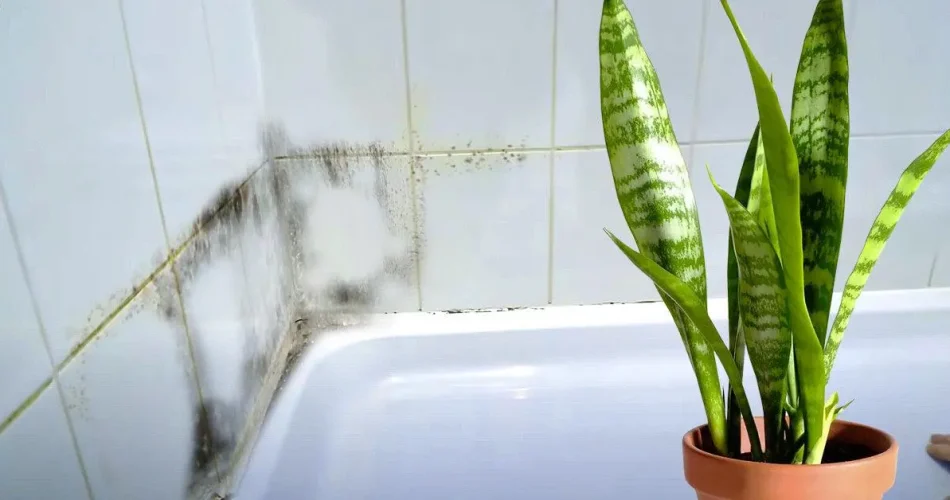
Excessive humidity in the home can lead to issues like condensation on windows, damp walls, and even mold growth on walls and ceilings. The bathroom, often the most humid room, can be a breeding ground for mold due to its combination of heat and moisture. To combat this, incorporating plants that absorb moisture can help regulate humidity levels. Here are 17 plants that thrive in the bathroom while keeping moisture levels in check.
Why Bathrooms Are Humid
Bathrooms are naturally prone to high humidity due to the steam from showers and baths. This creates a perfect environment for mold growth. Chris Bonnett, founder of Gardening Express, explains that mold spores thrive in these humid conditions, which makes bathrooms an ideal location for plants that can help absorb moisture.
What to Consider When Choosing Bathroom Plants
- Humidity: Select plants that thrive in humid conditions.
- Lighting: Many plants need low or indirect light. If your bathroom lacks natural light, consider adding a fluorescent bulb.
- Safety: Ensure that plants are not toxic to pets or children.
- Space: Choose plants that fit your bathroom’s size and growth capacity.
- Temperature: Be mindful of seasonal temperature changes in your bathroom.
17 Plants That Absorb Moisture in the Bathroom
Bamboo Palm
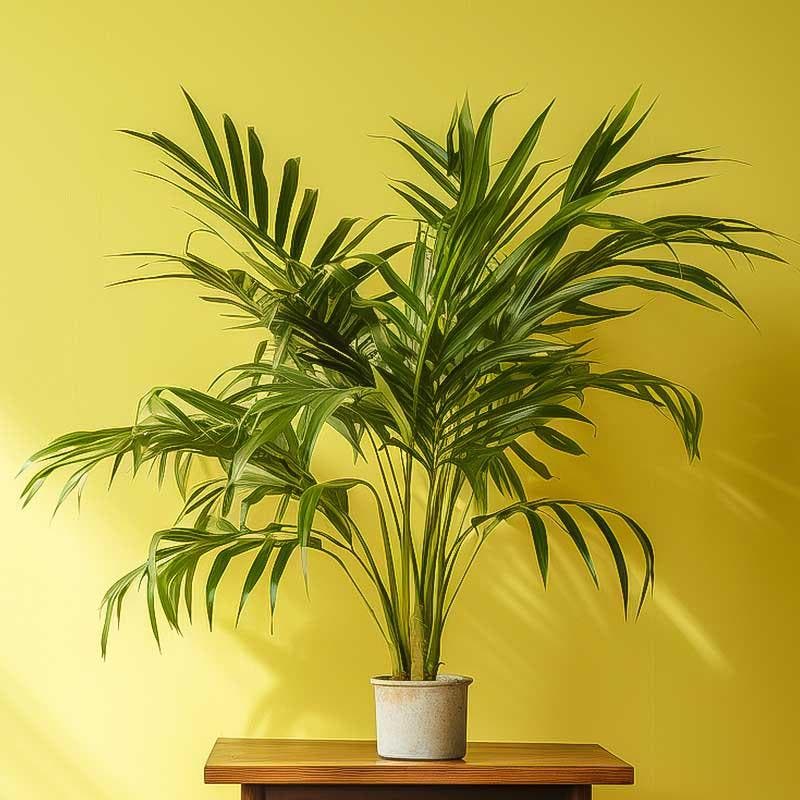
Scientific Name: Rhapis excelsa
Leaf Color: Dark green
Light: Tolerates low light
Size: 1.5–2 meters tall indoors
Care: Low maintenance, water well in summer
Toxicity: Non-toxic
Boston Fern
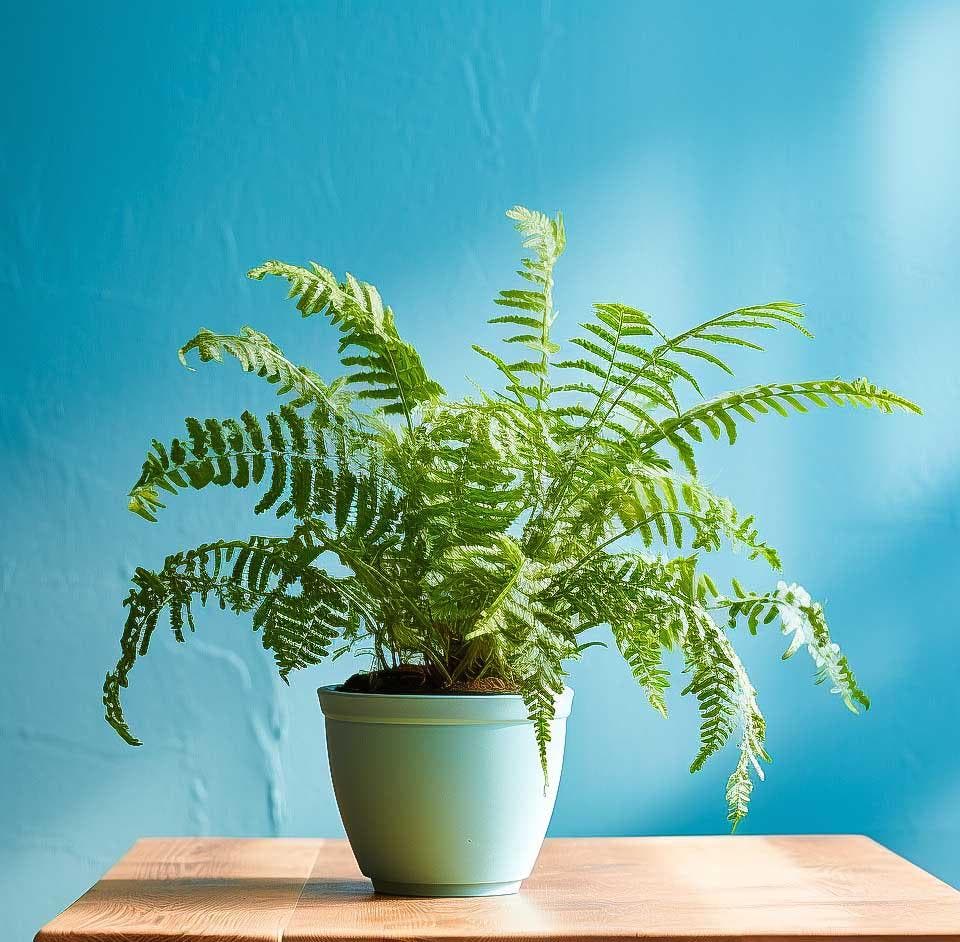
Scientific Name: Nephrolepis exaltata
Leaf Color: Well-arched green fronds
Light: Protected from the sun
Size: 30–60 cm tall
Care: Regular watering
Toxicity: Non-toxic
Aloe Vera
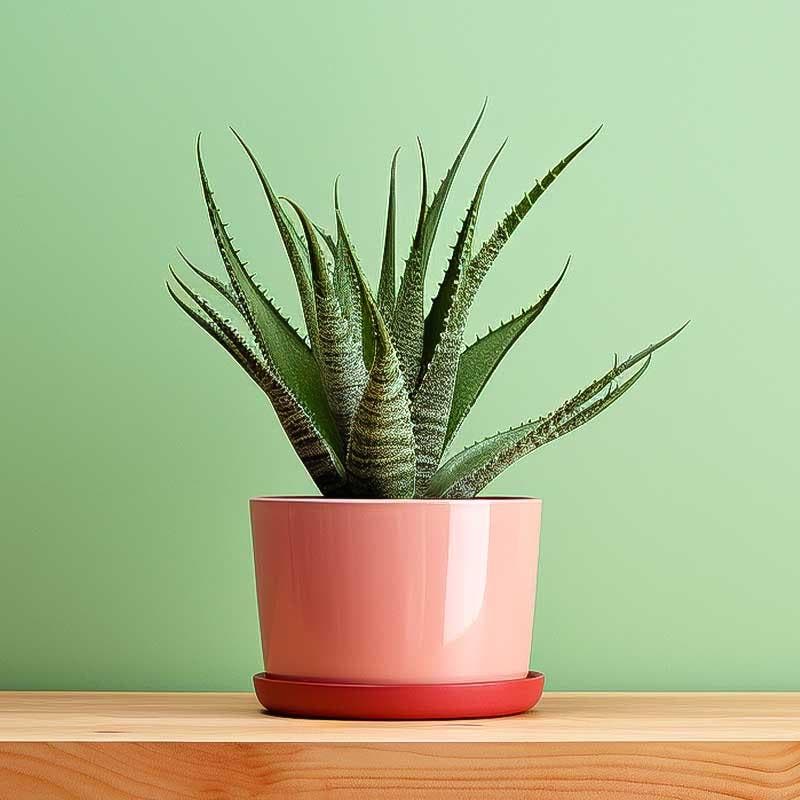
Scientific Name: Aloe barbadensis miller
Leaf Color: Green
Light: Bright room, indirect sunlight
Size: 30–60 cm tall
Care: Easy to maintain
Toxicity: Latex underneath leaf is toxic
Tillandsia (Air Plant)
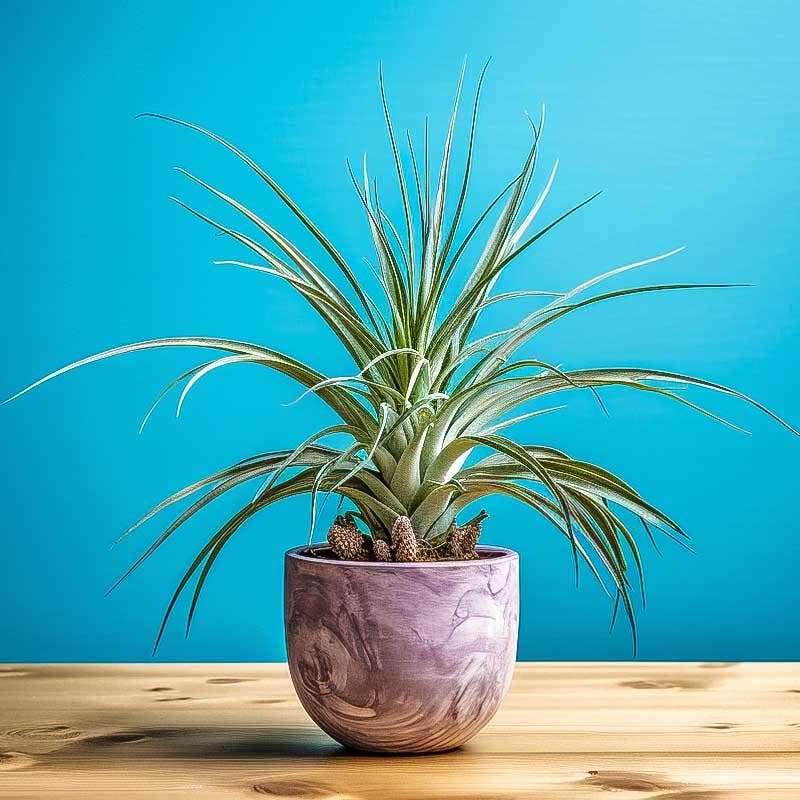
Scientific Name: Tillandsia
Leaf Color: Red, pink, orange, purple, or salmon spikes
Light: Bright but subdued light
Size: 10–50 cm
Care: Low maintenance, soak once a week
Toxicity: Non-toxic
Calatheas
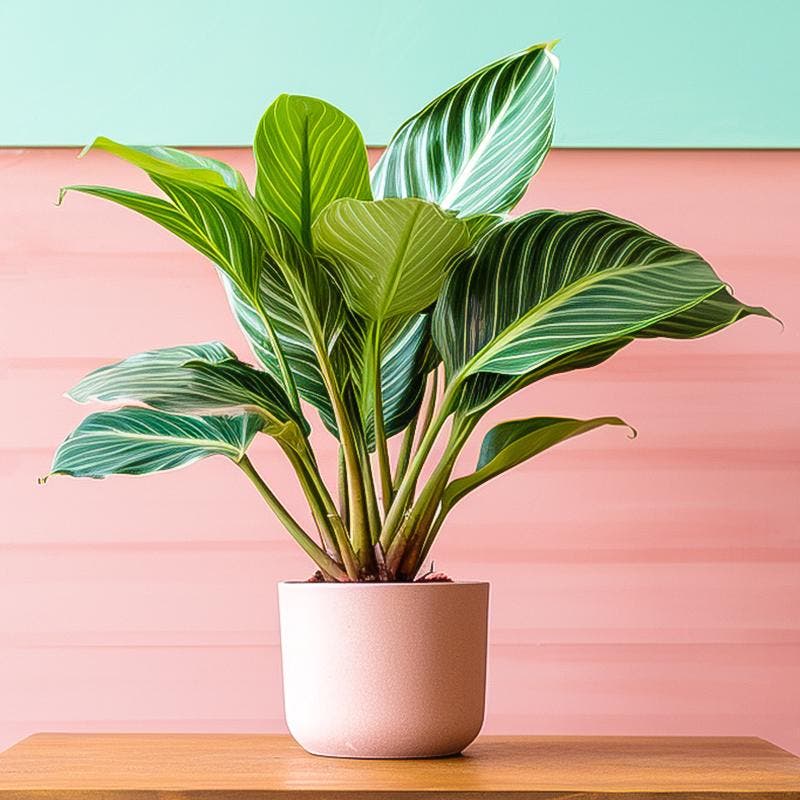
Scientific Name: Calathea
Leaf Color: White, yellow, orange, or green
Light: Partial shade
Size: 30 cm to 1 meter tall
Care: Requires moist soil, sensitive to direct sunlight
Toxicity: Non-toxic
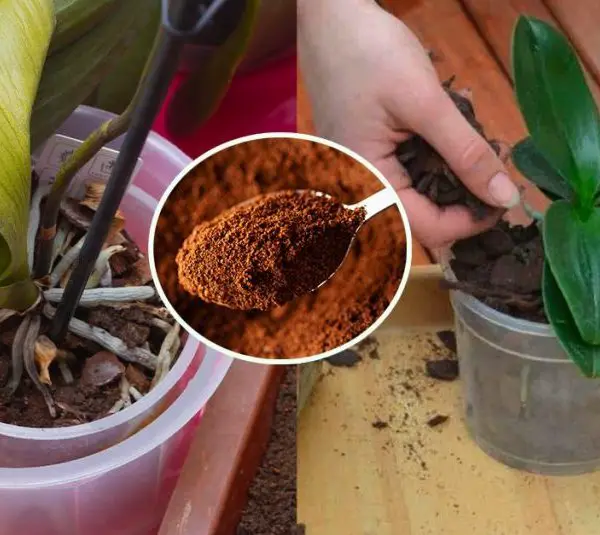
Orchids
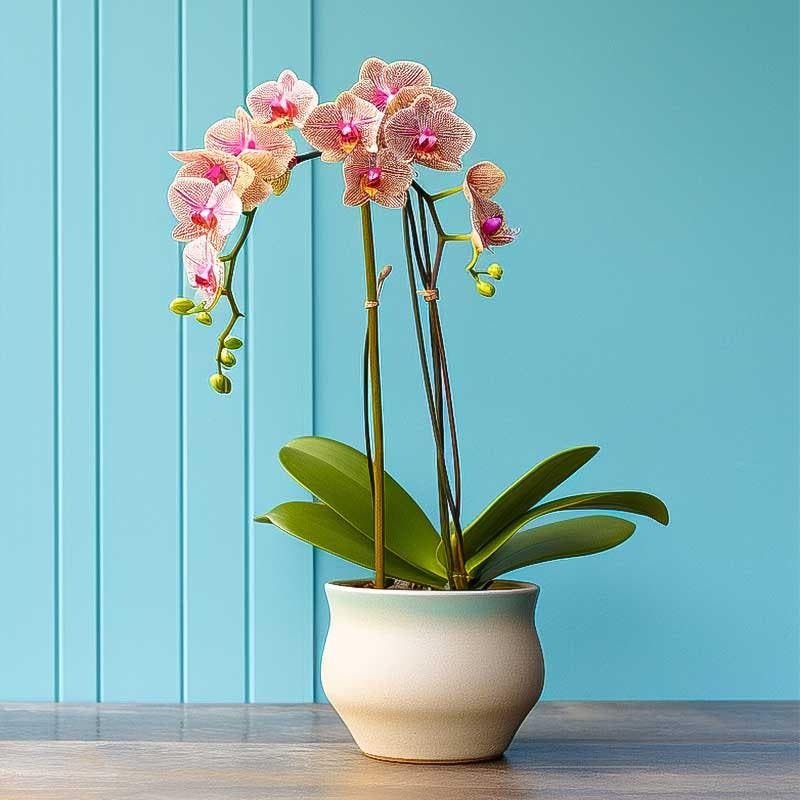
Scientific Name: Orchidaceae
Flower Color: White, pink, yellow, red, purple, or green
Light: Bright light, indirect sunlight
Size: 15–60 cm
Care: Moderate maintenance, requires humidity
Toxicity: Non-toxic
Cacti
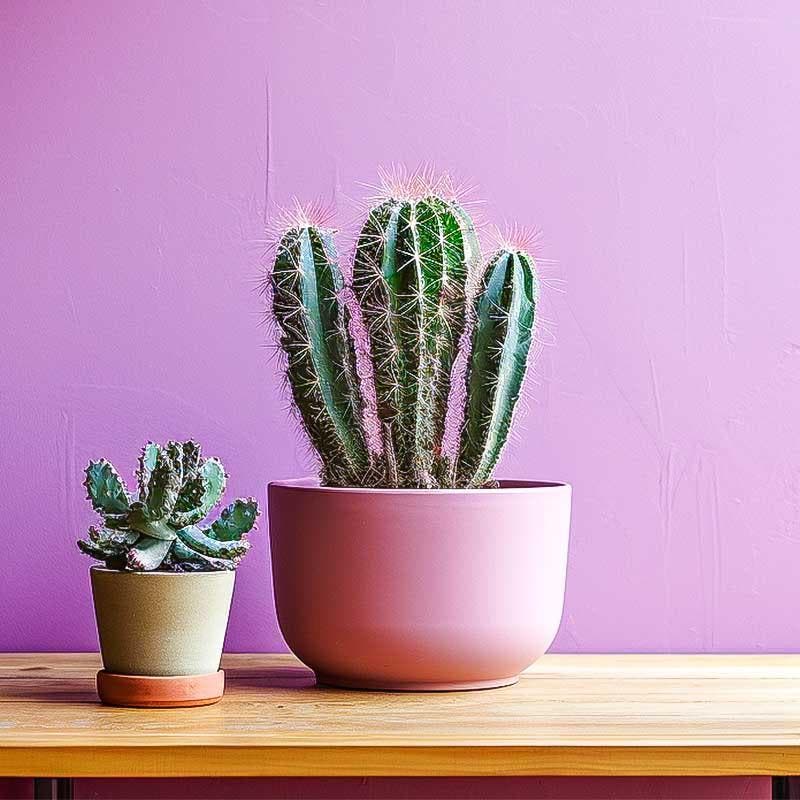
Scientific Name: Cactaceae
Color: Various
Light: Bright, indirect sunlight
Size: 0.5 cm to over 15 meters tall
Care: Moderate watering, low maintenance
Toxicity: Dangerous if ingested, but not toxic to touch
Philodendron
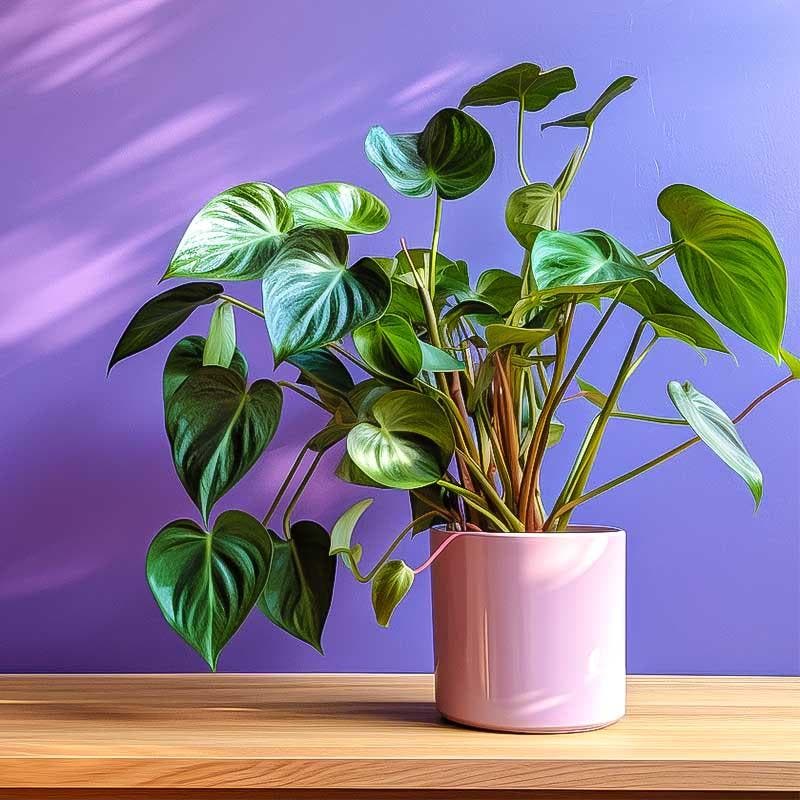
Scientific Name: Philodendron
Leaf Color: Dark green
Light: Partial shade
Size: 90 cm to 2.5 meters
Care: Easy maintenance, regular misting
Toxicity: Yes (toxic if ingested)
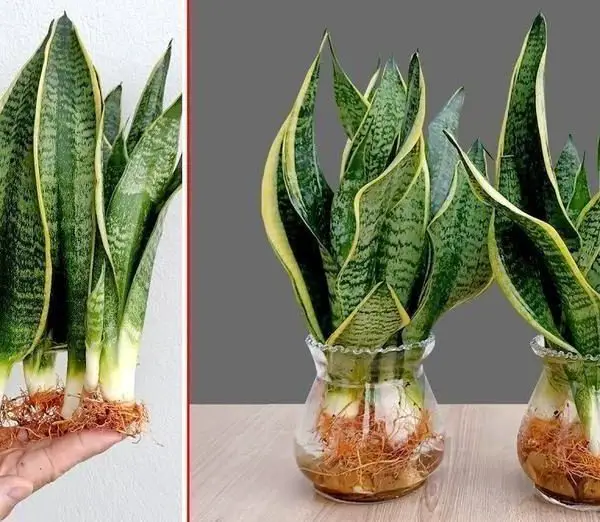
Mother-in-Law’s Tongue (Sansevieria)
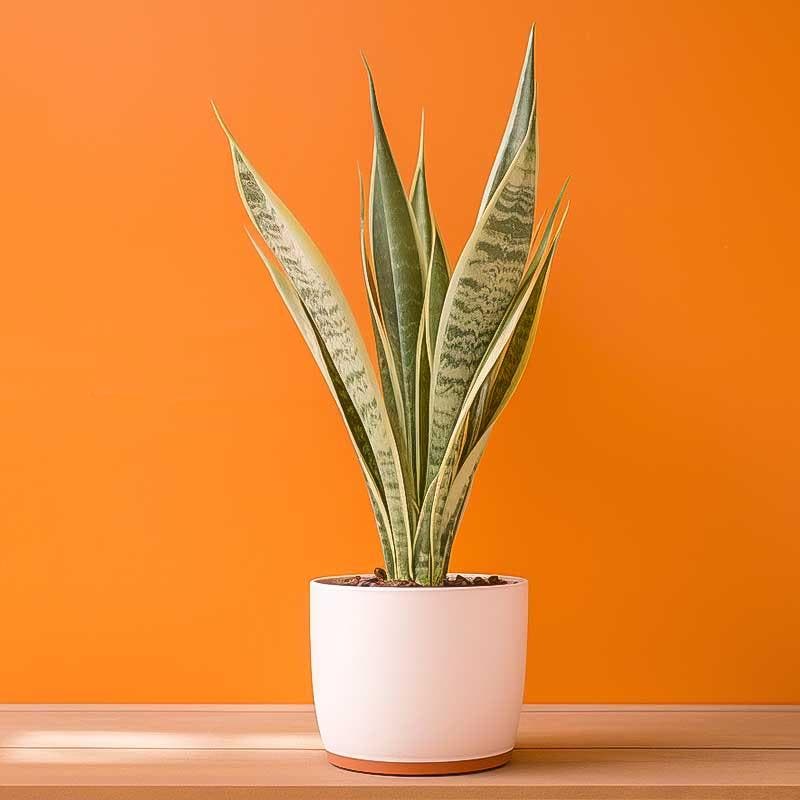
Scientific Name: Sansevieria trifasciata
Leaf Color: Light green, dark green, variegated
Light: Bright or low light
Size: 0.15–1.8 meters
Care: Easy, avoid overwatering
Toxicity: Yes (toxic if ingested)
Peace Lily (Spathiphyllum)
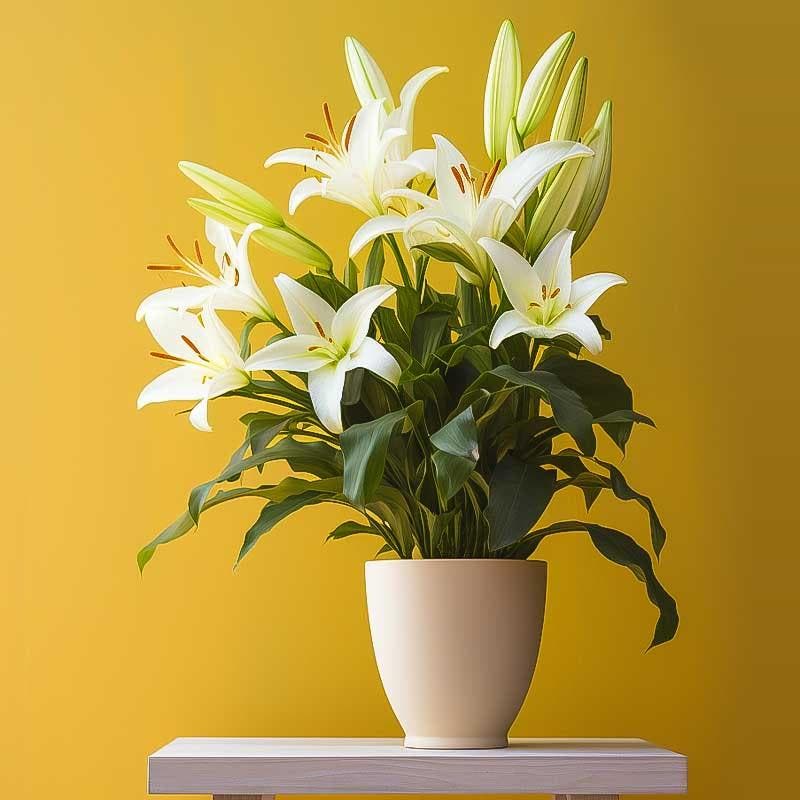
Scientific Name: Spathiphyllum wallisii
Flower Color: White
Light: Bright, indirect light
Size: 60 cm to 1 meter tall
Care: Easy, enjoys humidity
Toxicity: Non-toxic
Spider Plant
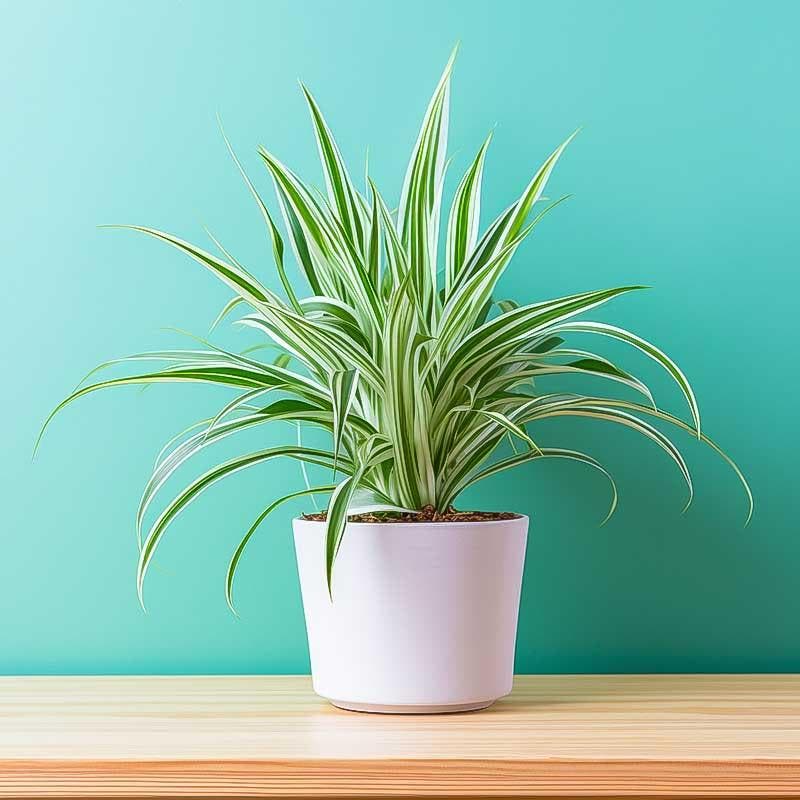
Scientific Name: Chlorophytum comosum
Leaf Color: Light green, dark green, gray, or silver
Light: Partial shade
Size: 0.15–0.6 meters tall
Care: Easy to maintain
Toxicity: Non-toxic
Dwarf Palm
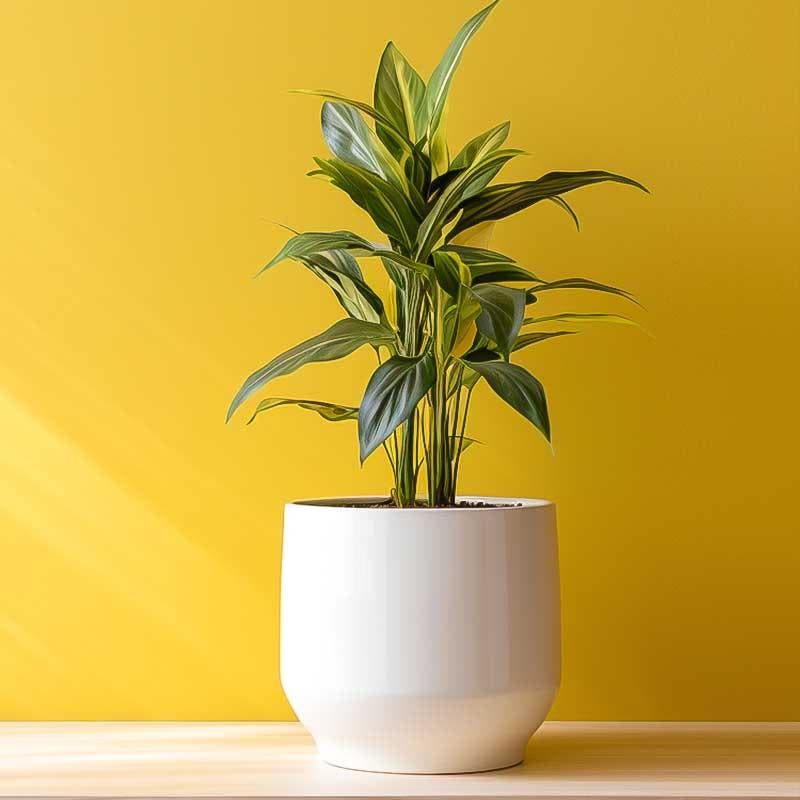
Scientific Name: Chamaedorea seifrizii
Leaf Color: Light green or blue-gray
Light: Prefers sun, especially in winter
Size: Up to 3 meters tall
Care: Low maintenance, avoid direct sunlight
Toxicity: Non-toxic
Fuchsia
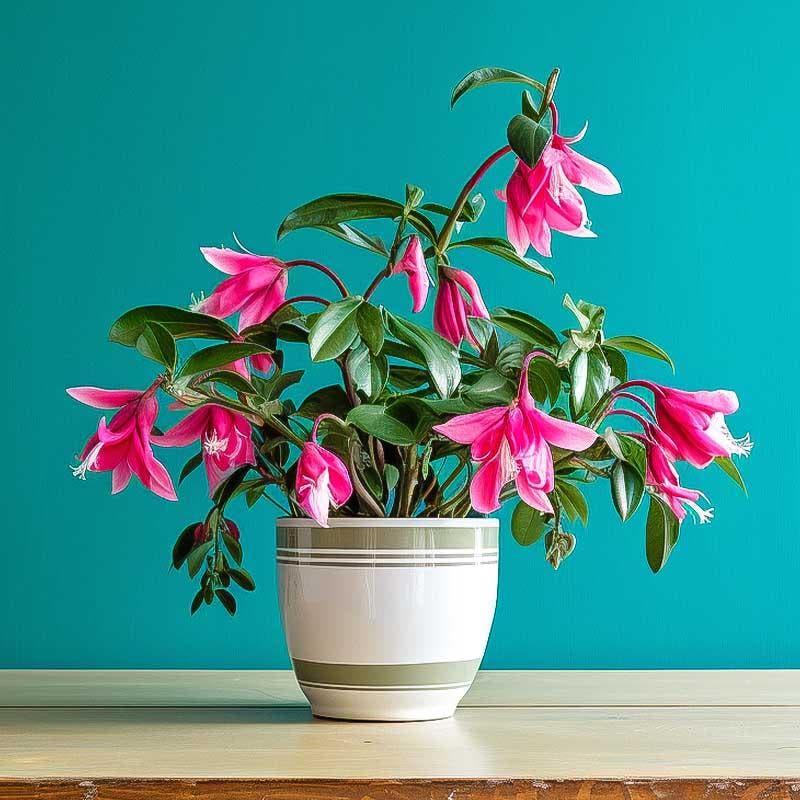
Scientific Name: Fuchsia
Flower Color: Pink, red, purple, or white
Light: Partial shade
Size: 20–60 cm
Care: Low maintenance
Toxicity: Non-toxic
Ficus
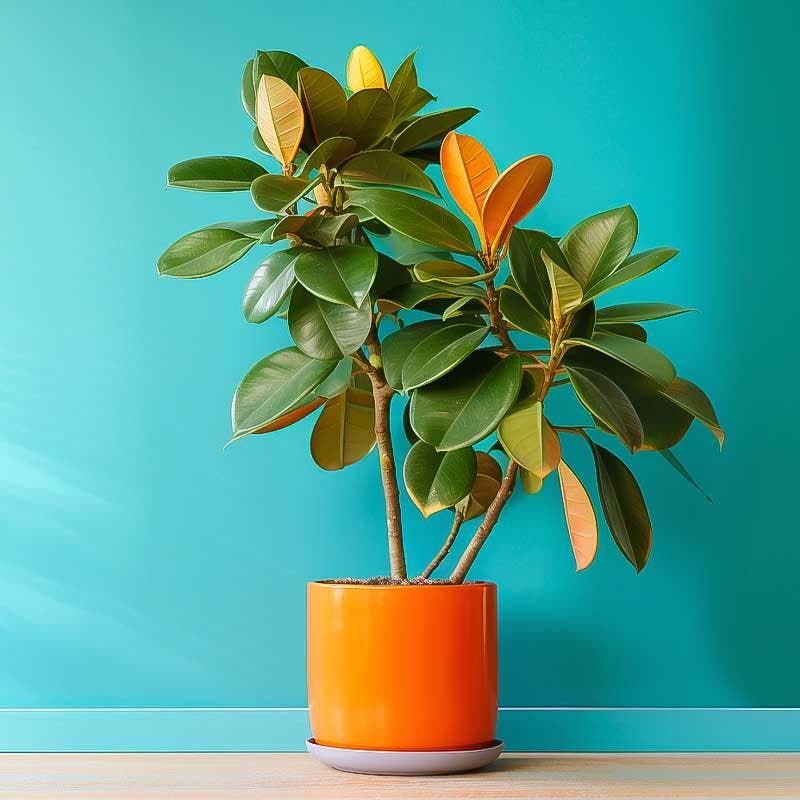
Scientific Name: Ficus
Leaf Color: Bright green
Light: Bright room
Size: Up to 3 meters tall indoors
Care: Low maintenance
Toxicity: Yes (toxic if ingested)
English Ivy
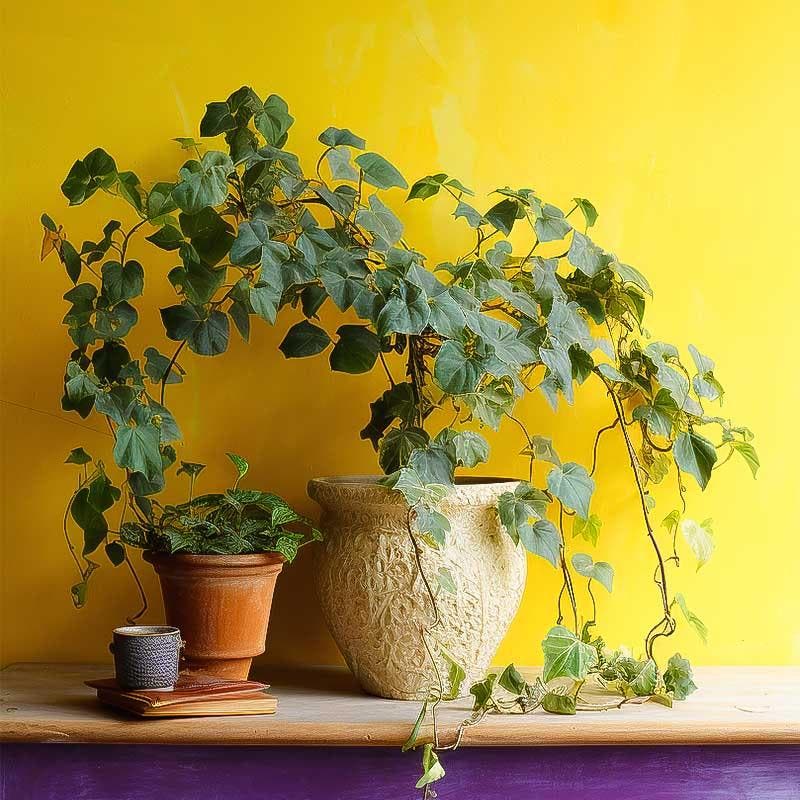
Scientific Name: Hedera helix
Leaf Color: Green and cream
Light: 2–3 hours of sunlight daily
Size: 7–20 meters long
Care: Low maintenance
Toxicity: Moderate toxicity
Nepenthes (Pitcher Plant)
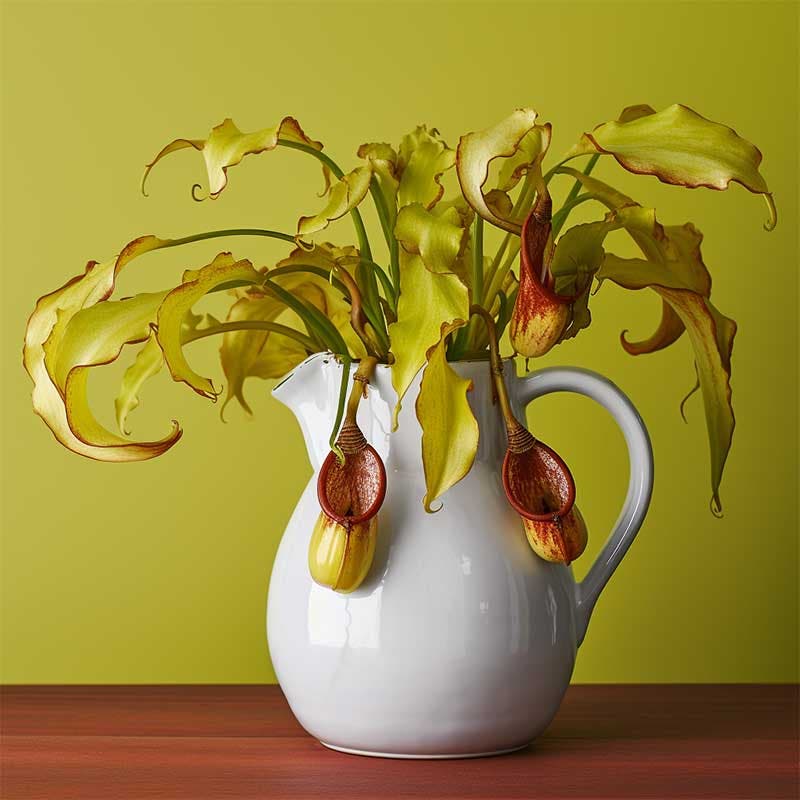
Scientific Name: Nepenthe
Leaf Color: Light green, dark green, red, or variegated
Light: Bright, indirect light
Size: 30 cm to 20 meters tall
Care: Low maintenance
Toxicity: Non-toxic
Epicactus (Orchid Cactus)
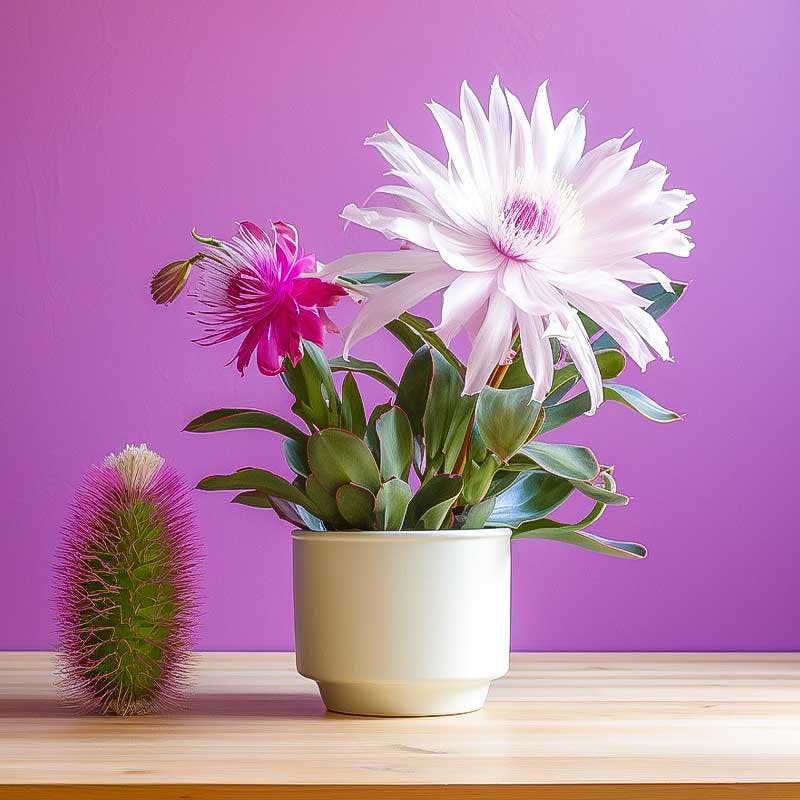
Scientific Name: Cactus epiphyllum
Flower Color: White, yellow, pink, orange, or red
Light: Bright light
Size: 5 cm wide and 3 mm thick
Care: Regular watering
Toxicity: Non-toxic
How to Remove Humidity from the Bathroom
If you notice moisture buildup after a shower, here are some helpful tips to reduce humidity:
- Open the bathroom door and windows after showering
- Use a fan during showers
- Defog mirrors after showers
- Install a dehumidifier
- Take shorter, cooler showers
- Dry towels outside after each use
Incorporating these plants into your bathroom can not only help absorb moisture but also enhance the ambiance, making your bathroom a calming, moisture-controlled space.