Excess humidity in the home can lead to mold growth, peeling wallpaper, and respiratory problems such as asthma and allergies. Factors like rising damp, poor insulation, water leaks, and condensation all contribute to high indoor humidity. To measure the humidity level (hygrometry) in your home, you can use a hygrometer.
Fortunately, certain indoor plants can help by absorbing excess moisture and purifying the air. Here are 10 plants that will keep your home fresh, dry, and healthy throughout winter.
1. English Ivy 🌿

✔ Purifies the air and reduces excess moisture.
✔ Ideal for damp rooms like bathrooms.
✔ A climbing plant that is easy to grow.
Care Tip: Place it in a hanging basket or let it climb along walls or shelves.
2. Spider Plant 🌱

✔ Also known as the Areca Palm.
✔ A natural dehumidifier that eliminates pollutants.
✔ Adds a touch of greenery to your living space.
Care Tip: Keep it in bright, indirect light and water moderately.
3. Boston Fern 🌿

✔ Thrives in moist environments.
✔ Absorbs humidity and prevents mold formation.
✔ A lush, evergreen plant perfect for bathrooms.
Care Tip: Mist the leaves occasionally for optimal growth.
4. Peace Lily 🌸

✔ Also called the “Moon Flower”.
✔ Improves air quality and reduces dampness.
✔ A decorative plant that’s easy to grow.
Care Tip: Keep the soil slightly moist, but avoid overwatering.
5. Air Carnation 🌺

✔ Absorbs humidity directly from the air.
✔ Helps eliminate bad odors caused by fungus.
✔ A unique, low-maintenance plant.
Care Tip: Water sparingly and keep in indirect sunlight.
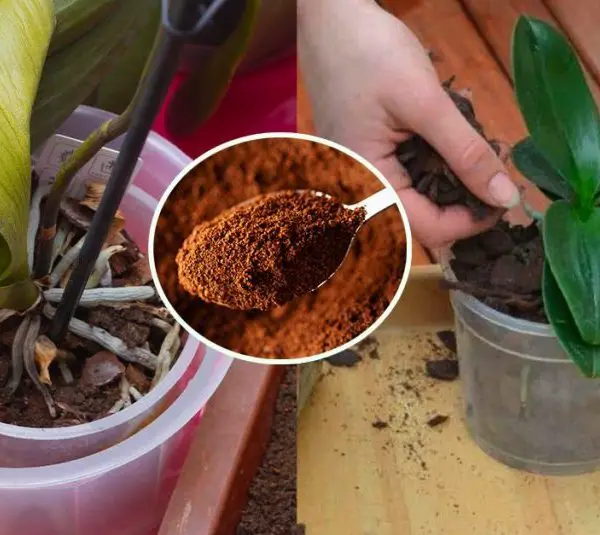
6. Orchid 🌸

✔ Beautiful and fragrant, available in white, mauve, or violet.
✔ Its roots absorb ambient humidity.
✔ Purifies the air while adding an elegant touch to your space.
Care Tip: Place in a bright room, but avoid direct sunlight.
7. Calathea 🌿

✔ Native to tropical climates.
✔ Absorbs humidity and airborne pollutants.
✔ Creates a healthy indoor environment.
Care Tip: Keep the soil moist but not soggy and provide indirect light.
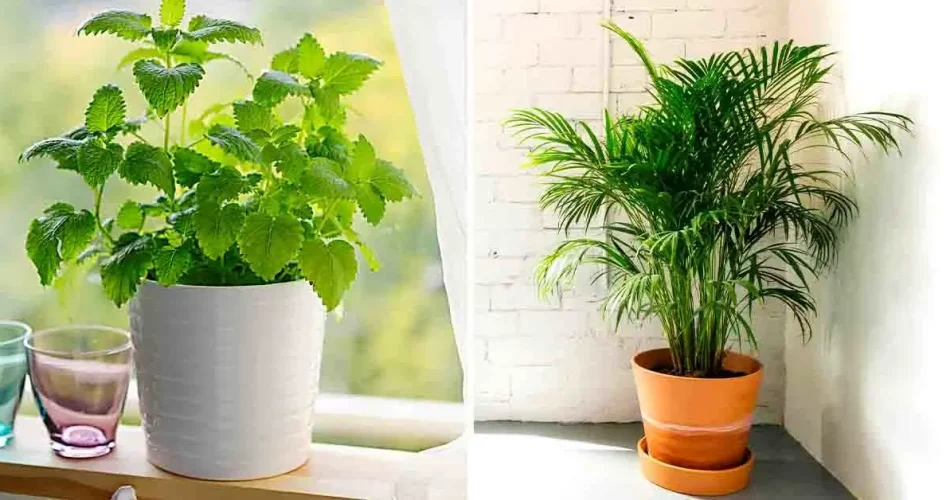
8. Mint 🌱

✔ Aromatic plant that absorbs excess humidity.
✔ Emits a fresh, pleasant scent.
✔ Perfect for kitchens and bathrooms.
Care Tip: Water regularly and ensure it gets good air circulation.
9. Bamboo Palm 🌴

✔ A tropical plant that dehumidifies indoor spaces.
✔ Helps create a clean and fresh environment.
✔ Adds a touch of nature to your home.
Care Tip: Keep in a well-lit area, but avoid direct sunlight.
10. Gerbera 🌼

✔ Colorful flowers that brighten up your home.
✔ Purifies the air and removes toxins.
✔ Fights against excess moisture and mold formation.
Care Tip: Keep in bright, indirect sunlight and water moderately.
Conclusion
By incorporating these moisture-absorbing plants into your home, you can improve air quality, prevent mold, and maintain a healthier indoor environment. Whether you prefer flowering plants like orchids and gerberas or greenery like ivy and ferns, there’s a perfect option for every space.
💚 Breathe easier this winter with these natural dehumidifiers! 🌿✨