Your garden may seem like a peaceful retreat, but some wild plants can be dangerous! 🌿⚠️ While they may look harmless, certain species contain poisons that can be harmful to humans and animals. Here’s what you need to know about toxic wild herbs that might be growing spontaneously in your yard!
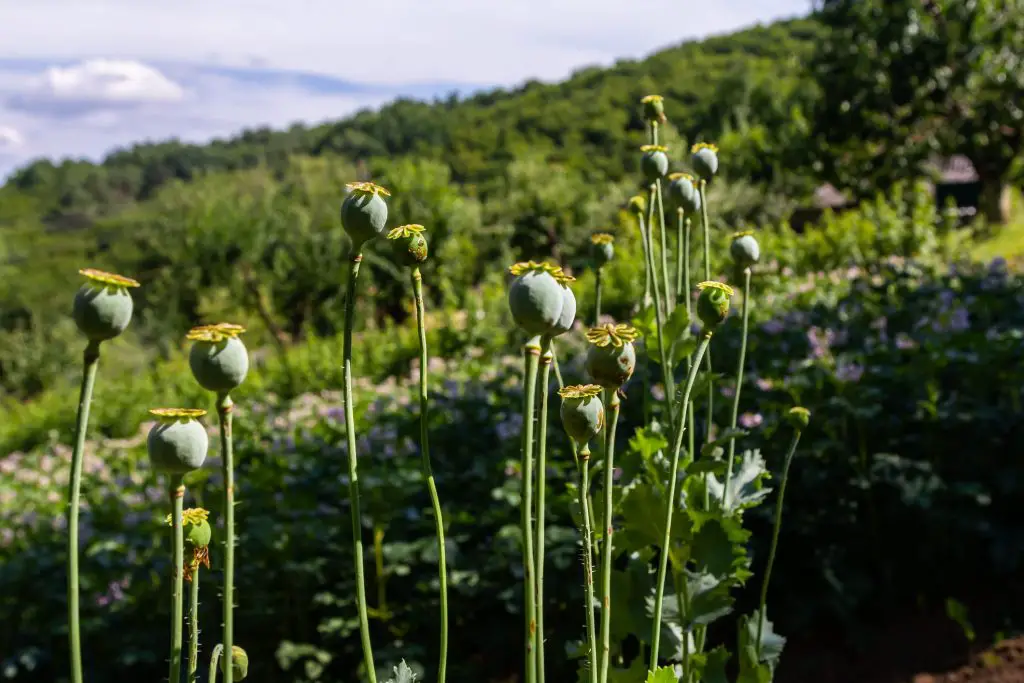
🌱 3 Toxic Wild Plants to Watch Out For
1️⃣ Digitalis purpurea (Foxglove) 🌸
🔬 Toxic Components: Cardiac glycosides
⚠️ Effects:
✅ Nausea, vomiting, diarrhea 🤢
✅ Severe heart problems (can cause irregular heartbeat) ❤️🔥
📍 Where It Grows: Woodlands, meadows, and gardens.
2️⃣ Atropa belladonna (Deadly Nightshade) 🥀
🔬 Toxic Components: Tropane alkaloids
⚠️ Effects:
✅ Dry mouth & dilated pupils 👁️
✅ Hallucinations & confusion 🤯
✅ High doses can lead to coma or death 😨
📍 Where It Grows: Roadsides, forests, and disturbed soils.
3️⃣ Conium maculatum (Hemlock) ☠️
🔬 Toxic Components: Coniine and other alkaloids
⚠️ Effects:
✅ Muscle paralysis 🦵
✅ Breathing difficulties 😵💫
✅ Can be fatal in large doses (same poison used in Socrates’ execution!) 😱
📍 Where It Grows: Near rivers, fields, and along roadsides.
🚑 What to Do If Exposed?
If someone touches or eats these plants, act fast!
✅ For skin contact: Wash the area with soap and water. 🧼
✅ For ingestion: Call poison control or emergency services immediately! ☎️
✅ For pets: Take them to a vet ASAP! 🐾
❗ How to Stay Safe ❗
🔍 Check your garden regularly for toxic plants.
🚧 Keep children & pets away from unknown weeds.
🌿 If unsure, consult an expert before removing any plants.
Would you like a guide on safe, pet-friendly plants for your garden? Let me know! 😊🌱