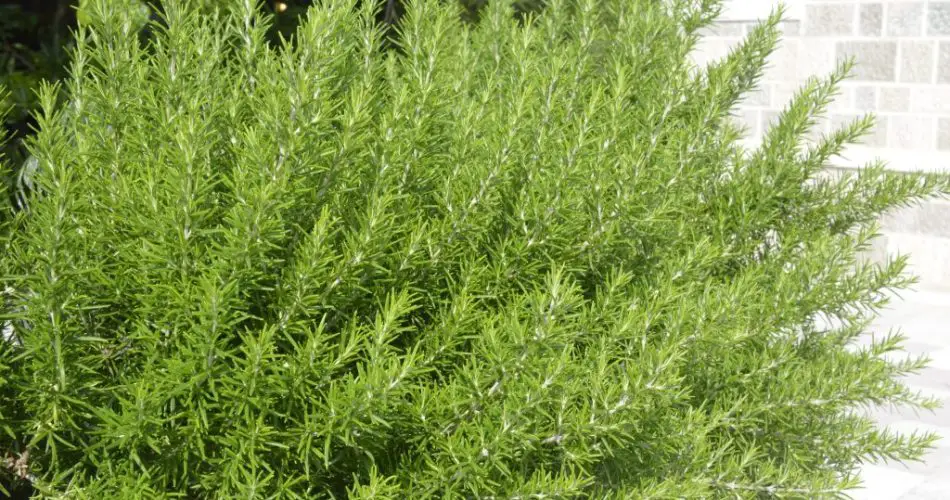
Rosemary is one of the most beloved aromatic herbs, widely used in kitchens around the world for its distinctive fragrance and culinary versatility. However, some gardeners may notice that their rosemary lacks its characteristic aroma.
Several factors can influence the intensity of its scent, from sun exposure to soil conditions. Let’s explore the possible reasons and solutions to help your rosemary regain its fragrance.
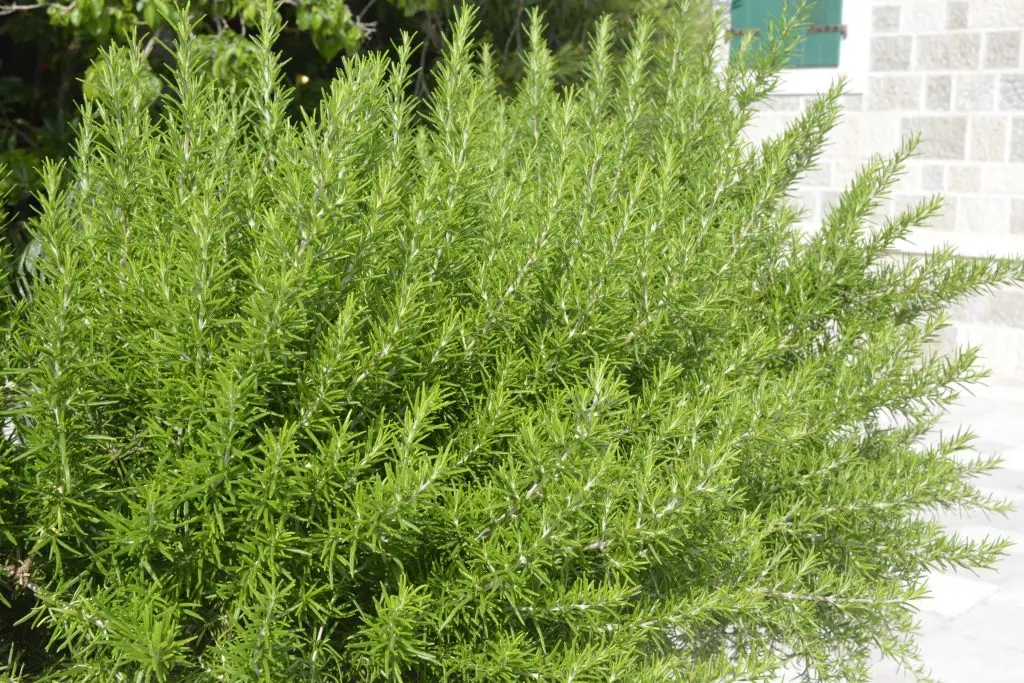
☀️ Lack of Sunlight
Rosemary is a sun-loving plant and needs at least 6-8 hours of direct sunlight per day. If your plant is in a shady location or receives insufficient light, it may struggle to produce essential oils, which are responsible for its strong aroma.
✔ Solution: Place your rosemary in a sunny spot, such as a south-facing garden or balcony. If growing indoors, ensure it’s near a bright window.
💧 Too Much Water or Poor Drainage
Excess water is one of the biggest enemies of rosemary. This Mediterranean herb thrives in well-drained soil and does not tolerate water stagnation. Overwatering can cause the roots to rot, leading to yellowing leaves and a weakened scent.
✔ Solution: Water only when the soil is dry to the touch. Use a pot with drainage holes and a sandy or rocky soil mix to prevent water buildup.
🌱 Inadequate Soil
The type of soil used plays a crucial role in the health and fragrance of rosemary. Unlike many plants, rosemary does not thrive in rich, compost-heavy soil. Instead, it prefers light, dry, and well-drained soil.
✔ Solution: Use sandy or loamy soil mixed with perlite or gravel for proper drainage. Avoid excessive fertilizers that could dilute its natural oils.
🍃 Nutrient Deficiency
A lack of essential nutrients can also affect rosemary’s ability to produce its signature scent. While rosemary doesn’t require heavy feeding, extreme nutrient deficiencies may weaken its essential oil production.
✔ Solution: Apply a low-nitrogen fertilizer occasionally, but don’t overdo it, as too much fertilizer can lead to weaker aromas.
🌿 Different Rosemary Varieties
Did you know that not all rosemary varieties have the same intensity of fragrance? Some types naturally have a milder scent, while others are known for their strong aromatic qualities.
✔ Solution: If you’re growing rosemary primarily for its scent, choose an aromatic variety, such as Rosmarinus officinalis ‘Tuscan Blue’ or ‘Miss Jessopp’s Upright’.
🌱 Age of the Plant
If your rosemary is young, it may not yet have fully developed the ability to produce a strong aroma. As the plant matures, its essential oil concentration naturally increases.
✔ Solution: Be patient! As your rosemary grows and strengthens, the fragrance will become more pronounced.
🌡️ Stress from Extreme Temperatures
Rosemary is a hardy plant, but extreme weather conditions—whether too hot or too cold—can stress the plant, reducing its ability to produce essential oils.
✔ Solution: Protect your rosemary from harsh winters by bringing potted plants indoors or covering garden plants with mulch. In summer, ensure proper watering to prevent dehydration.
🌿 Bringing Back the Fragrance
If your rosemary isn’t as fragrant as expected, don’t worry! By making small adjustments in your growing conditions, you can restore its signature scent.
✔ Provide plenty of sunlight
✔ Ensure proper drainage and avoid overwatering
✔ Use the right type of soil
✔ Feed lightly, but don’t over-fertilize
✔ Choose a strongly aromatic variety
✔ Be patient with young plants
✔ Protect from extreme temperatures
With the right care, your rosemary will soon be bursting with its signature aroma, ready to enhance your favorite dishes and fill your garden with fragrance! 🌿✨
💡 Have you struggled with rosemary losing its scent? Let me know what worked for you! 😊