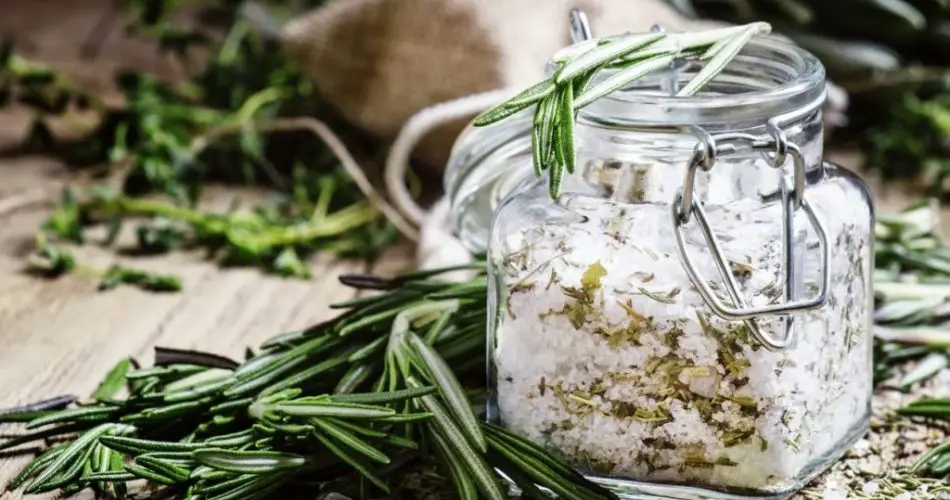
Rosemary, a Mediterranean shrub from the Lamiaceae family, is often found growing in gardens and kitchens around the world. While many people associate this herb with Italy, its origins actually lie in Asia and Africa. Over time, rosemary has spread across the globe, with many varieties now cultivated for different purposes. One notable variety is the prostrate rosemary, which is known for being more fragrant and aromatic than the classic species. So, how can you tell these two varieties apart? Let’s dive into the differences!
🌱 Classic Rosemary (Rosmarinus officinalis)
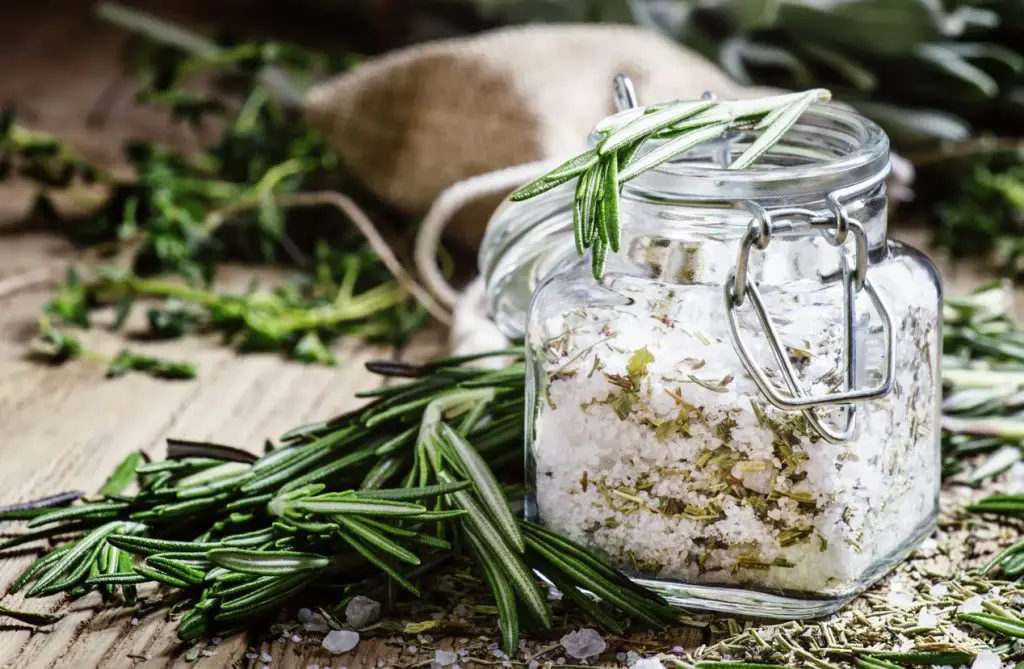
The classic rosemary, or Rosmarinus officinalis, is the most common variety you’ll find in Mediterranean gardens. It is a shrub with bright green leaves that are 2-3 centimeters long. The leaves grow abundantly from the light brown stems. This variety has a robust, upright growth habit, and its aroma is distinct, though not as intense as that of the prostrate rosemary.
Key Characteristics
- Growth Habit: Upright, reaching up to 2.5 meters tall.
- Leaves: Bright green and robust.
- Aroma: Mild but aromatic, often used in cooking.
🌿 Prostrate Rosemary
The prostrate rosemary is a variety of rosemary that stands out for its stronger aroma. It has a creeping growth habit, often resting flat on the ground, unlike the classic rosemary. This variety tends to be smaller, with needle-like leaves. The color of the leaves also varies, being greener at the tips and whiter at the base. In winter, the prostrate rosemary can even take on a purple hue due to cold temperatures. Its fragrance is richer, making it especially suitable for culinary uses.
Key Characteristics
- Growth Habit: Creeping or ground-hugging shape.
- Leaves: Needle-like, greener at the tips, whiter at the base.
- Aroma: Stronger and more intense, ideal for cooking.
- Color: Turns purple in cold weather.
🌞 Growing Conditions for Both Varieties
Both types of rosemary thrive in sunny spots and prefer loose, well-drained soil. These plants are well-suited for gardens or pots and are relatively easy to grow. However, they do not tolerate cold winds or prolonged low temperatures, so they should be protected from such conditions, especially in winter.
🌿 Summary of Differences
| Characteristic | Classic Rosemary | Prostrate Rosemary |
|---|---|---|
| Growth Habit | Upright, reaching 2.5 meters | Creeping, low to the ground |
| Leaf Appearance | Bright green, robust | Needle-like, greener at the tips, whiter at the base |
| Aroma | Mild, aromatic | Stronger, more intense |
| Winter Color | Remains green | Turns purple in cold weather |
In conclusion, while both varieties of rosemary share similar growth needs, the prostrate rosemary stands out due to its stronger fragrance, creeping habit, and ability to change color in winter. Both varieties are excellent additions to your garden or kitchen, and choosing between them ultimately depends on the specific aroma and growth habit you prefer for your space. 🌿✨