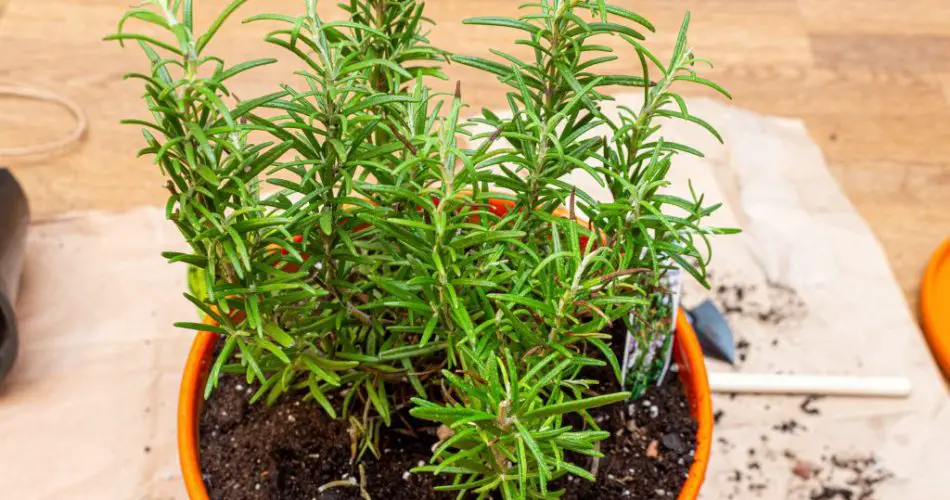
Growing rosemary (Rosmarinus officinalis) is a rewarding experience, whether you have it on your balcony or in your garden. Its aromatic scent and culinary uses make it a delightful addition to any space. Plus, imagine having fresh rosemary at your fingertips whenever you need it! Here’s a comprehensive guide to help you grow a beautiful rosemary hedge that is low-maintenance and fragrant.

1. How to Choose the Most Suitable Rosemary for a Hedge
When selecting the best rosemary variety for your hedge, it’s important to consider factors like climate, soil, and sun exposure. Rosemary thrives in Mediterranean climates, so if you live in a colder region, opt for varieties that can tolerate frost. For a classic hedge, choose upright rosemary varieties that grow to heights of 50 to 150 cm. These will provide the dense, structured look you’re aiming for.
2. What is the Best Time to Plant Rosemary?

The ideal time to plant rosemary is during spring, when the weather is mild and days are longer. This allows the plant to establish its roots before the arrival of hot summer temperatures. However, in regions with milder winters, you can also plant rosemary in early autumn to ensure the plant has time to settle before the cooler months.
3. How to Make a Hedge with Rosemary

Rosemary thrives in well-drained soil with plenty of sunlight. To improve drainage, you can mix in some sand or organic material.
Step-by-step Guide:
- Spacing: Plant rosemary 50-60 cm apart to give it enough space to grow.
- Digging the Hole: Ensure the planting hole is deep enough for the roots and twice as wide as the root ball.
- Watering: After planting, water the rosemary plants generously to help them settle in. Once established, rosemary is quite drought-tolerant and requires little water.
- Pruning: Prune your rosemary after flowering, typically in late winter, to maintain a neat shape and encourage dense growth.
4. Where to Place Rosemary in the Garden

Rosemary doesn’t like excessive heat, so choose a location that provides partial shade. Even though rosemary thrives in sunny spots, placing it in a sheltered area with some shade will help protect it from extreme temperatures. This balance is key to keeping your plants healthy and vibrant.
By following these simple steps, you can easily create a beautiful rosemary hedge that not only adds fragrance to your garden but is also easy to maintain. Enjoy your new hedge and the fresh rosemary it provides for cooking and home remedies! 🌱