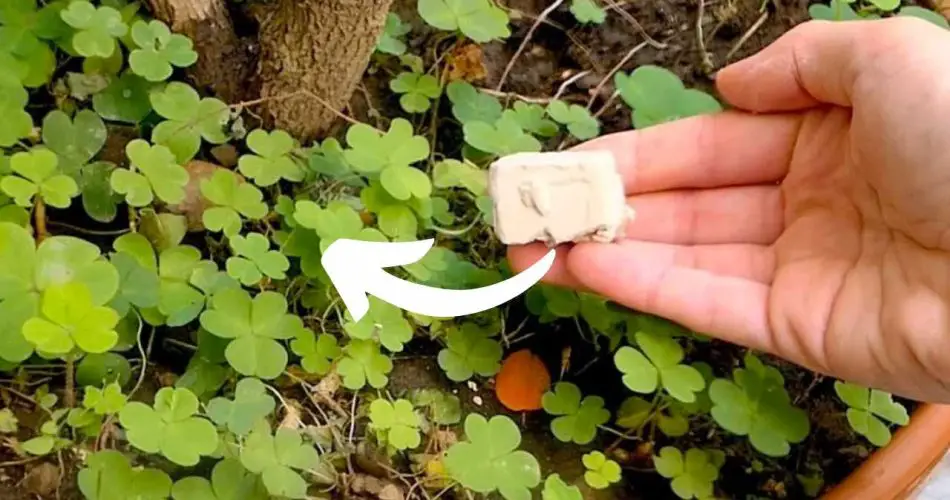
Did you know that the yeast we commonly use in the kitchen can also be beneficial for the plants in your home or garden? It might sound surprising, but incorporating yeast into your gardening routine can significantly enhance plant growth and health.

Yeast: A Powerful Ally for Plant Growth
Yeast is not just for baking delicious sweet or savory dishes; it can also serve as a natural booster for plants, especially during the winter and autumn months when they require extra care.

Yeast in Winter or Autumn
The primary concern for plant owners is irrigation. During the warmer months, plants cannot go without water, but in winter or autumn, watering needs decrease. Despite this, plants still require attention and specific techniques to remain healthy and vibrant.
To ensure excellent flowering come spring, it’s essential to care for seedlings throughout the colder seasons. This involves being mindful of not just watering, but also other factors that can impact plant health, such as preventing stagnant water that can rot roots.
Many common kitchen products have alternative uses that we often overlook. For example, when yeast goes on sale, it is easy to buy in bulk, only to find it expiring and ending up in the trash. Instead of wasting it, consider using it for your plants!
How to Use Yeast for Seedlings

Liquid Fertilizer
Instead of discarding old yeast, you can create a fantastic liquid fertilizer. Simply mix two-thirds of water with one cube of yeast, dissolving it completely.
- Combine the ingredients well until the yeast is fully dissolved.
- Use this solution to water your plants.
Thanks to yeast, your plants will become significantly stronger and more resilient. You’ll notice new leaves developing, and the plants will absorb water more efficiently—slowly and steadily, which prevents root rot.
Solid Fertilizer

Another effective method is to make solid fertilizer. Here’s how:
- Dissolve yeast in water.
- Pour the mixture into ice molds and freeze it.
Once frozen, you can place these yeast cubes directly onto the soil, whether in pots or garden beds. The cubes will melt with the heat or ambient air, providing a convenient way to nourish your plants without much effort.
Pest Control with Yeast

Yeast can also serve as a natural pest deterrent. To keep mosquitoes at bay, dissolve a yeast cube in 250 ml of water, add two teaspoons of sugar, and place the mixture in areas where mosquitoes are prevalent.
To combat ants, create a mixture of baking soda, sugar, and yeast. This effective solution can help eliminate ant infestations that are difficult to control.
By incorporating yeast into your gardening practices, you not only enhance plant growth but also improve pest management, making your gardening experience even more rewarding!


