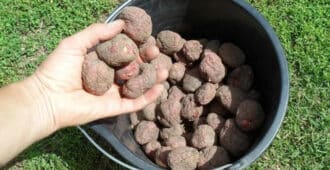
As spring arrives, many of us face the dilemma of what to do with potatoes that have started to deteriorate, becoming soft, wrinkled, and sprouting. The question arises: can you still eat them or should they be discarded?
Risks of Eating Sprouted Potatoes
During storage, potatoes lose water, causing an increase in solanine concentration. While small amounts of solanine are harmless, older potatoes can become dangerous. Consuming them may lead to:
- Indigestion
- Nausea
- Vomiting
- Diarrhea
- In severe cases, problems with the nervous and hematopoietic systems.
How to Determine Potatoes’ Safety
The size of the sprouts is a key indicator. If sprouts exceed 1 cm, it’s advisable to avoid eating such potatoes. They contain minimal nutrients and are primarily starch.
What to Do with Old Sprouted Potatoes
Potatoes with sprouts under 1 cm can be consumed with precautions:
- Remove all sprouts and any green areas, which contain high solanine levels.
- Thoroughly peel the potatoes since the skin may also contain solanine.
- Boil potatoes for 20-30 minutes to reduce solanine levels.
- Avoid eating old potatoes raw or mashed; instead, bake or fry them.
- Refrain from giving old potatoes to children, who are more sensitive to solanine.
Remember: Safety First
Eating old, sprouted potatoes poses health risks. Consume them only when necessary and follow the precautions mentioned above.
Proper Potato Storage
To maintain potato freshness:
- Store them in a cool, dark place with good ventilation.
- Avoid sudden temperature changes.
- Regularly inspect and remove damaged tubers.
By adhering to these guidelines, you can preserve your potato harvest until the next season and enjoy safe and delicious dishes.