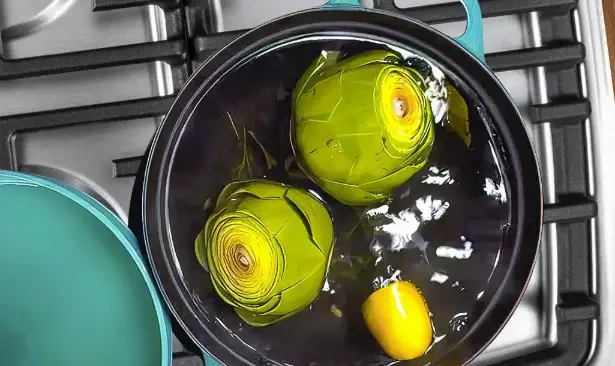
Plants require fertilizers to thrive, and these fertilizers supply essential nutrients that help plants grow and bloom. You don’t always need to purchase commercial fertilizers; natural alternatives can often be found right in your kitchen. One such option is artichoke cooking water—a powerful, natural fertilizer for your indoor plants. Let’s dive into why you should stop discarding this valuable resource!

The Benefits of Vegetable Cooking Water
It’s common to throw away the water used for cooking vegetables, but this water is packed with nutrients and minerals that can help nourish your indoor plants. Recycling this cooking water gives your plants a boost, making them healthier and more vibrant.
Why Artichoke Cooking Water Is Special
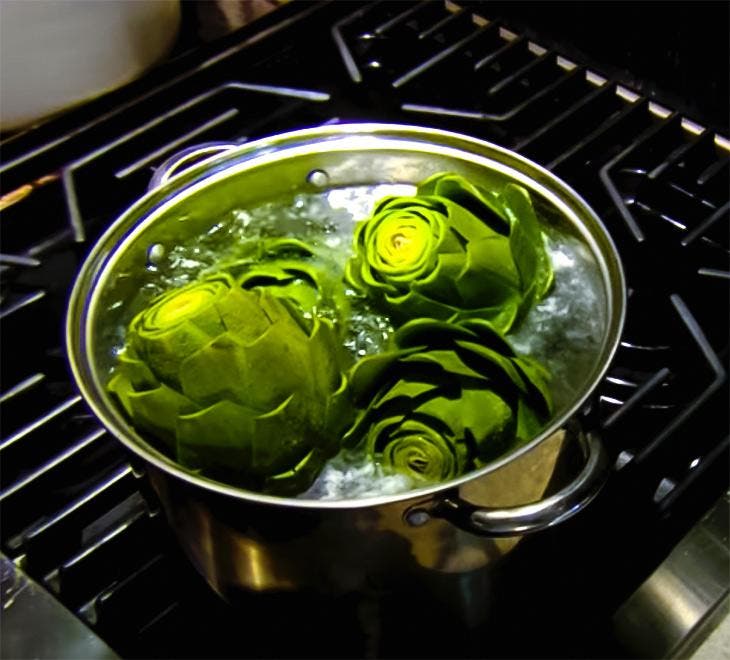
Artichoke cooking water is particularly beneficial. As the artichokes cook, they release mineral salts into the water, which serve as a great source of nutrition for your plants. These nutrients help make your plants more vigorous and luxuriant.
Key nutrients that plants need include:
- Potassium: Strengthens the plant’s defenses and regulates its water supply.
- Phosphorus: Stimulates root development and promotes flowering or fruiting.
- Nitrogen: Encourages plant growth and new tissue production.
These nutrients, present in artichoke cooking water, are essential for indoor plants to thrive.
How to Use Vegetable Cooking Water for Your Plants
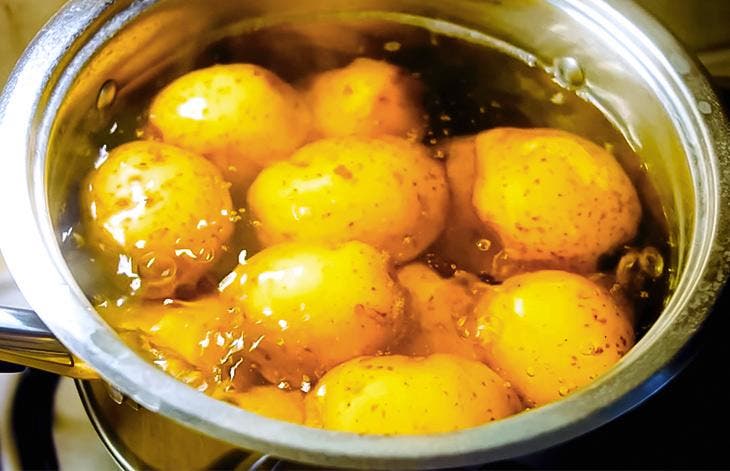
Vegetable cooking water can be used to water any organic plants. Be mindful, though—avoid using water from vegetables treated with pesticides, as these chemicals can harm both your health and the plants.
Simply collect the water after cooking, allow it to cool, and use it to water your plants. Be sure that the water is not salty, as this could harm the plants.
Other Cooking Waters That Can Help Your Garden
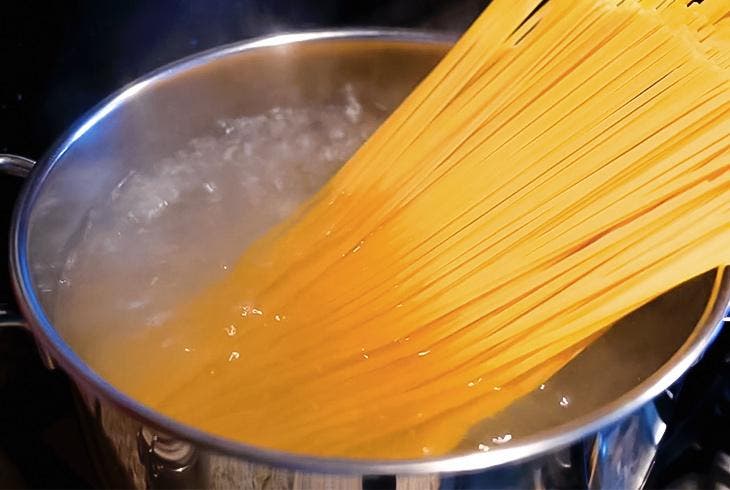
Like artichoke cooking water, many other types of vegetable cooking water can serve as natural fertilizers. Here are a few examples:
- Pasta Cooking Water Pasta water is another excellent option for fertilizing plants. Rich in minerals and nutrients, it provides valuable nourishment for your plants. Just remember, the water should be unsalted and should be cooled before use. When salted, pasta water can also help weed your garden due to its starch content.
- Egg Cooking Water Eggs are rich in calcium and other nutrients that support plant growth. After boiling eggs, let the water cool and pour it around the base of your plants to give them a nutritious boost. You can also crush eggshells and scatter them on the soil to protect plants from ants, slugs, and other pests.
Other Natural Fertilizers for Your Plants
Besides cooking water, there are several other natural substances that can serve as fertilizers, including:
- Coffee grounds
- Nettle manure
- Fruit peels (e.g., bananas and citrus fruits)
These ingredients, when used properly, can help nourish your indoor plants without resorting to harmful chemicals.
How to Cook Artichokes for Best Results
Cooking artichokes the right way can make all the difference! To start, remove any damaged outer leaves before cooking. Then, boil the artichokes in salted water for 20 to 40 minutes, depending on their size. Alternatively, you can steam them for just 10 minutes for a quicker preparation.
Artichoke Juice: Nutritional Benefits
Artichokes are packed with nutrients, including potassium, iron, vitamin B1, fiber, magnesium, calcium, and cynarin. These nutrients offer numerous health benefits, from supporting heart health to cleansing the body.
By using artichoke cooking water as a natural fertilizer and appreciating the nutritional benefits of artichokes, you can nourish both your plants and your body.


