Talcum powder is a household staple, often used for baby care due to its safety and effectiveness in soothing delicate skin. However, did you know that talc can also be incredibly useful in the garden? This versatile powder isn’t just for babies – it can work wonders on your indoor and outdoor plants. Let’s dive into the hidden benefits of using talcum powder in your garden!
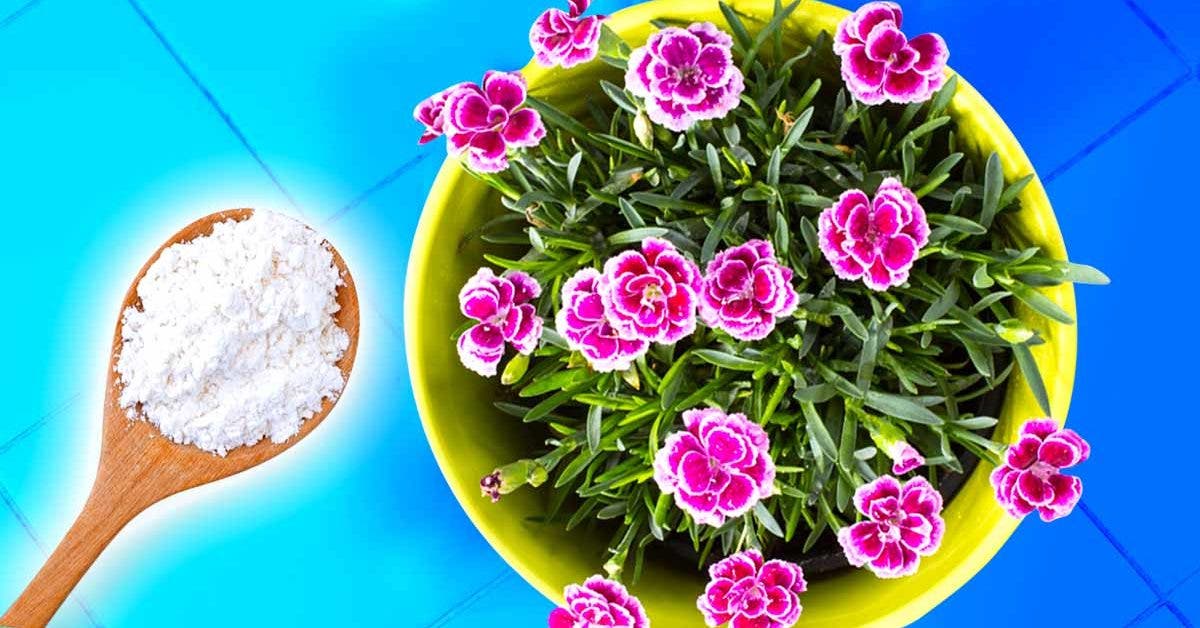
What Is Talcum Powder?
Talc is a mineral derived from rock deposits, which undergoes a thorough process of crushing, filtering, and classification. After meeting strict safety standards, it’s finely ground into powder. One of the main advantages of talcum powder is that it doesn’t cause any chemical reactions, making it safe for use on sensitive skin and plants.
This makes it a gentle yet effective option for your garden, offering numerous ways to protect and nourish your plants without the risk of harming them.
How to Use Talcum Powder in the Garden
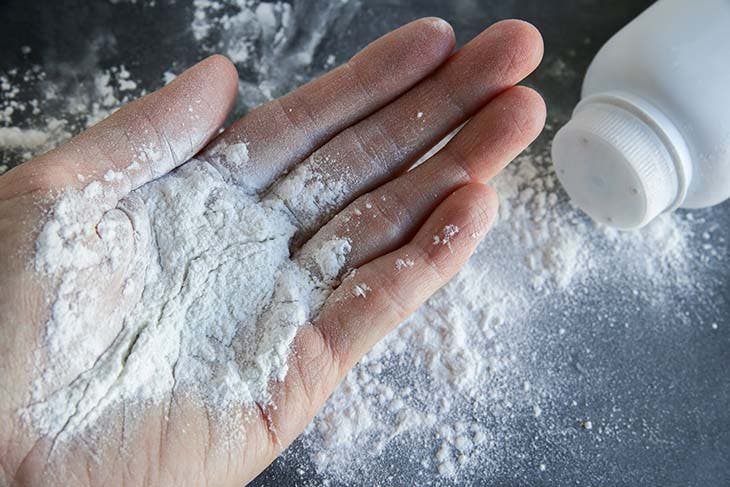
Talcum powder is more than just a baby care product – it’s a powerful ally in the garden. Whether you have indoor or outdoor plants, talcum powder can provide a wide range of benefits.
Protecting Plant Roots
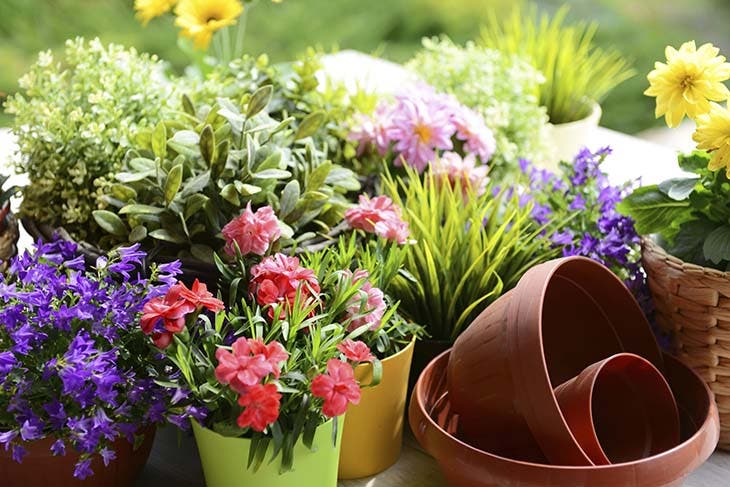
When you plant bulbs in the garden, sprinkle a little talcum powder on their roots. This simple step can help prevent root rot, a common problem for many gardeners. The powder acts as a protective barrier, reducing the likelihood of fungal infections and promoting healthier growth.
Repelling Pests and Animals
One of the most surprising uses for talcum powder in the garden is its ability to repel pests. A light dusting on your plants’ bulbs can also keep unwanted animals like mice, squirrels, and rabbits at bay. These critters dislike the taste and smell of talcum powder, making it a safe, natural alternative to chemical repellents.
For ants and aphids, which often work together to damage your plants, talcum powder is a great solution. Ants protect aphids in exchange for the sweet substance they secrete. By keeping the ants away with talcum powder, the aphids will have no protection, helping to eliminate both pests from your plants. Simply sprinkle some powder around your plants to create a barrier.
Using Talcum Powder in Flower Pots
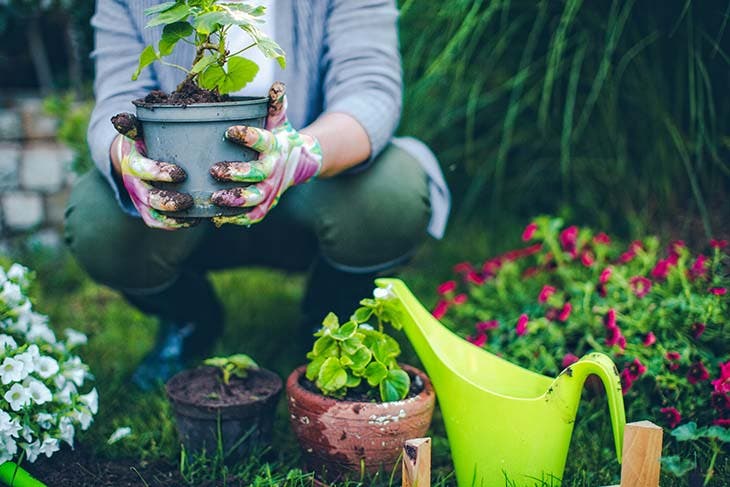
If you have indoor plants or flowers, talcum powder can also act as a natural insect repellent. This is particularly effective when repotting or caring for your indoor floral arrangements. The powder acts as a barrier to prevent insects from invading the pots and attacking the flowers. A simple line of chalk or a sprinkle of talcum powder around the base of your plants can work wonders.
Preventing Root Rot
For newly planted or sensitive plants, particularly those that are vulnerable to excess moisture, talcum powder can help protect the roots. When replanting or pruning, apply the powder directly to the roots to absorb excess moisture and prevent root rot. This will help your plants stay healthy and avoid the damaging effects of overly damp soil.
Repelling Beetles
Beetles can wreak havoc on your garden, but talcum powder provides a simple solution. A light dusting on your plants’ leaves can repel beetles, keeping them away for a long time. This natural pest control method ensures that your plants remain protected without the need for harsh chemicals.
Conclusion
Talcum powder has many hidden benefits when it comes to gardening. From protecting plant roots to repelling pests and beetles, this versatile powder can help your plants thrive in a natural, non-toxic way. Whether you’re growing flowers indoors or tending to your outdoor garden, talcum powder is a simple yet effective tool to have on hand. Remember, baby or not, talc’s uses extend far beyond the nursery – it’s a must-have for any gardener!