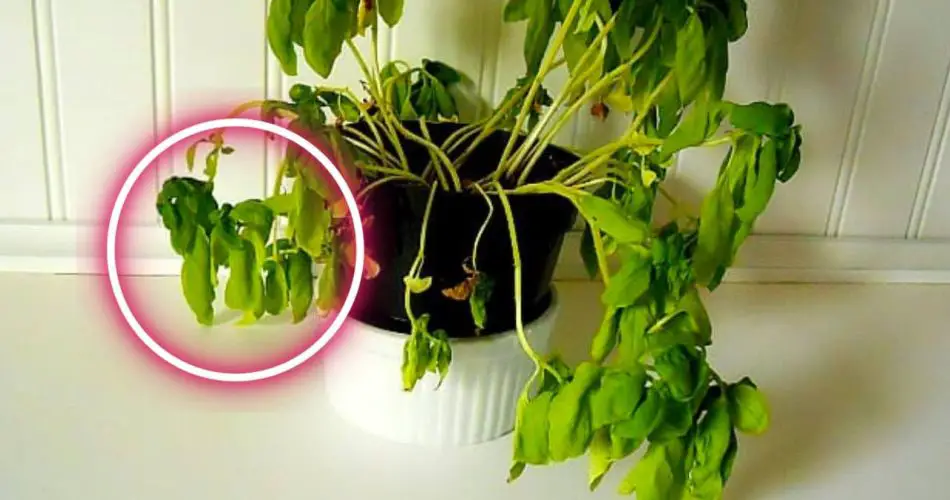
The basil plant from the supermarket often dries out almost immediately after arriving at home. Understanding the reasons behind this issue can help you take effective action to revive it.

The Mystery of the Dry Basil Plant
Basil, a beloved herb known for its intoxicating aroma and vibrant green leaves, is a staple in many kitchens and gardens. Yet, it’s common to find that supermarket-bought basil wilts and dries out soon after being brought home. Why does this happen, and how can you prevent it?
The Problem with Supermarket Basil

Supermarket basil plants are often designed to last only a short period, thanks to marketing strategies aimed at encouraging repeat purchases. Nurserymen highlight that plants sold in supermarkets may not receive the best care or conditions during their time in store. Here’s a closer look at why these plants tend to dry out:
- Exposure to Artificial Conditions: Supermarket basil plants are typically kept under artificial light and in controlled temperatures that are different from natural home conditions. This sudden shift in environment can cause the plant to go into shock, leading to dryness and wilting.
- Transition to Natural Light: The move from artificial lighting to natural light can be jarring for the plant. Basil requires a period to adapt to these new conditions, and without proper adjustment time, the plant may suffer.
- Watering Issues: Often, the soil in supermarket basil plants is not consistently hydrated. The plant may have been overwatered or underwatered before purchase. Once home, you should water the plant regularly but avoid giving it too much water at once to prevent further stress.

How to Revive Your Supermarket Basil
- Acclimate the Plant: To help the basil recover from shock, place it near a window with indirect light. This gradual introduction to natural light can aid in its adaptation.
- Proper Watering: Ensure the soil remains consistently moist. Water the plant alternately to rehydrate the soil without overwhelming it. Check the soil’s moisture level regularly and adjust your watering routine as needed.
- Repotting: If the basil plant continues to struggle, consider transplanting it into a larger pot with well-draining, fertile soil. Use a nitrogen-based fertilizer, preferably liquid, to provide additional nutrients and support its recovery.
By understanding these key factors and taking appropriate actions, you can improve the chances of your supermarket basil thriving in its new home. With a little care, you can turn a struggling plant into a lush, healthy addition to your kitchen.