Why Plants Need Light – Illuminating the Relationship Between Light and Plants
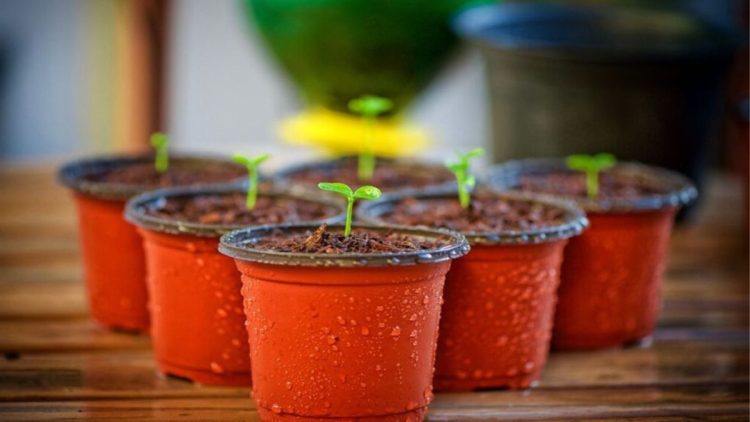
Innovative cultivation techniques have flourished in recent years, particularly in the realm of indoor gardening. These practices, known as “indoor gardening,” involve cultivating plants without relying on natural sunlight, instead utilizing artificial lamps. Vegetables like lettuce, arugula, spinach, and basil can thrive indoors with the right setup. With a bit of space, water, air, and appropriate lighting, individuals can create flourishing vegetable gardens right in their own homes.
Lighting Your Indoor Vegetable Garden
A primary challenge of indoor gardening is the absence of natural sunlight. This challenge can be overcome by investing in suitable lamps that emit a specific light spectrum, enabling plants to undergo photosynthesis effectively. These lamps replicate the light spectrum found in modern greenhouses (ranging from 370nm to 710nm), providing plants with the light they need to thrive and grow, along with the necessary heat.
Choosing the Best Light Frequencies
For optimal plant growth, it’s essential to select lamps that emit light frequencies within the range conducive to photosynthesis (370nm to 710nm). The most beneficial light frequencies for plant growth are red and blue, as they are absorbed by chlorophyll A, facilitating photosynthesis. LED (Light Emitting Diode) lamps are particularly well-suited for indoor plant cultivation, emitting both red and blue light. While LED lamps may be more expensive initially, they offer advantages such as energy efficiency, durability (lasting up to 10 years or more), and minimal heat generation, preventing seedlings from overheating and burning.
Setting Up a Growing Environment
Once you’ve designated a space in your home for indoor vegetable gardening, it’s time to create a suitable environment akin to a mini greenhouse or “grow box.” This setup can be as simple as horizontal shelving or multi-tiered shelves for vertical growing. Alternatively, specialized grow boxes equipped with LED lamps in the upper wall provide a contained environment for plant growth.