Have you ever wondered why some plants stay green all year round, while others shed their leaves in winter? The secret lies in their unique biological mechanisms and natural defense systems.
What Makes a Plant Evergreen?

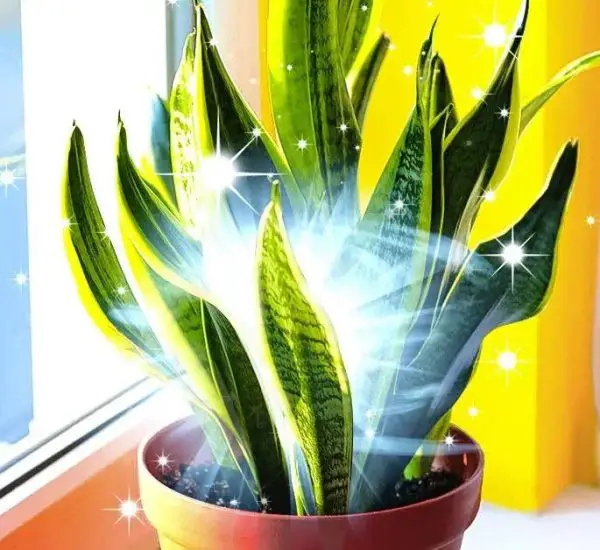
Unlike deciduous plants, evergreens continuously replace their leaves throughout their growth process, rather than shedding them seasonally. This gives them a year-round green appearance, making them a favorite choice for gardens and landscapes.
One of their key survival strategies is their ability to resist cell frost, which helps them withstand harsh winters without losing their foliage.
The Difference Between Evergreen and Perennial Plants
Many people confuse evergreen plants with perennials, but they are not the same.
🌱 Evergreen plants: Keep their leaves all year round, shedding them only as part of their natural growth cycle.
🌼 Perennial plants: Live for multiple years, but may shed leaves in winter and regrow in spring.
Perennials are highly valued because they renew themselves naturally, adding vibrant color to your garden each year with minimal effort.
Different Types of Perennials
Perennial plants can vary in their growth and seasonal behavior:
✔ Evergreen perennials: Maintain their foliage throughout the year.
✔ Spring perennials: Sprout fresh leaves in spring after surviving winter.
✔ Sun-loving perennials: Thrive in full sunlight, making them ideal for flowerbeds and garden borders.
Why Choose Perennials and Evergreens for Your Garden?

✅ Easy to grow – Require little maintenance.
✅ Resistant to pests – Less likely to be attacked by insects.
✅ Long lifespan – Can thrive for many years with proper care.
✅ Perfect for any space – Suitable for gardens, pots, or balconies.
To ensure their healthy growth, it’s essential to consider soil type, sunlight exposure, and irrigation needs. With the right care, evergreen and perennial plants can bring lasting beauty to your garden all year round! 🌿🌸