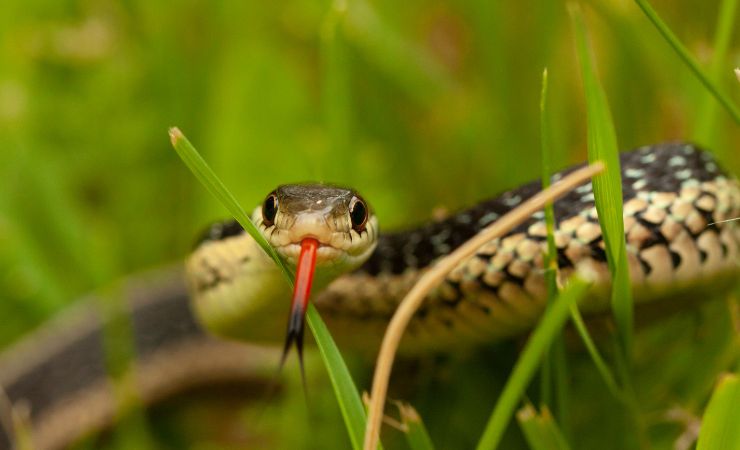
Enjoying a garden can be a delightful experience, but unwanted visitors like snakes can turn this pleasure into a concern. To effectively keep snakes away, it’s crucial to understand what attracts them in the first place. Here’s how to prevent them from making your garden their home.

Why Are Snakes in Your Garden?
As temperatures rise, gardens become bustling with life. While this brings many benefits, it can also attract unwanted guests like snakes. Although most snakes in Italian gardens are harmless and prefer to avoid humans, an increase in their presence can signal an underlying issue. Addressing this problem involves understanding and correcting the factors that attract them.
Common Attractions for Snakes
- Clutter and Debris: Snakes are drawn to environments where they can find shelter. Piles of leaves, wood, or debris create perfect hiding spots. Similarly, overgrown grass and unchecked weeds can offer cover and attract small prey, such as rodents, which in turn attract snakes.
- Neglected Garden Areas: If certain areas of your garden are left unattended, they can become ideal habitats for snakes. This includes overgrown shrubs, tall grass, and unkempt flower beds.
- Food Sources: Gardens that harbor insects or small animals provide a food source for snakes. Rodents, in particular, can be a major attractant, as snakes often follow their prey.
- Gaps and Cracks: Openings in walls, fences, or garden structures can serve as entry points for snakes. These gaps provide easy access for snakes to enter and hide in your garden.
Preventive Measures: How to Keep Snakes Away

To minimize the risk of snakes in your garden, consider these practical steps:
- Maintain Cleanliness: Regularly clean up debris, leaves, and wood piles. Keep the garden tidy to remove potential hiding spots. Regularly mow the lawn and trim overgrown plants to eliminate cover for snakes.
- Seal Entry Points: Inspect and seal any gaps or cracks in walls, fences, and garden structures. This helps prevent snakes from entering and finding refuge in your garden.
- Manage Food Sources: Control the population of insects and rodents in your garden. Using rodent traps or deterrents can reduce the prey available to snakes.
- Use Repellents and Deterrents: Employ snake repellents and deterrents to keep them at bay. These products are designed to make your garden less inviting to snakes:
- Snake Repellents: These contain substances that emit a strong odor, which snakes find unpleasant. Apply these products around your garden to create a barrier that snakes will avoid.
- Ultrasonic Repellers: These devices emit ultrasonic waves that are irritating to snakes but undetectable to humans. They are an effective, non-invasive way to keep snakes away from your garden.
- Granular Deterrents: These deterrents use aromatic essences that repel snakes. Scatter these granules around your garden to create a barrier.
- Professional Help: If the snake problem persists or you encounter a significant infestation, seek assistance from a pest control professional. They can provide targeted solutions to address the issue safely and effectively.
Respect and Safety
While dealing with snakes, it’s important to approach the situation with respect for wildlife. Snakes play a role in controlling pest populations and maintaining ecological balance. Use humane methods to deter them and avoid harming these creatures.
By following these tips, you can enjoy your garden without the worry of unwanted snake visitors. Keep your outdoor space clean and well-maintained, and use effective repellents to ensure a safe and pleasant environment.