Sowing peas correctly ensures a bountiful and tasty harvest.
Here’s how to do it:
Timing: Sow peas in early spring when the soil temperature reaches around +5°C at a depth of 5 cm, typically in mid to late April. Avoid sowing too early to prevent damage from frost, but don’t delay too long as peas prefer cooler weather.
Site Selection: Choose a sunny location with well-drained, fertile soil. Peas thrive in neutral to slightly acidic soil. Avoid planting peas where they grew the previous year, and steer clear of beans, beans, and lupins as predecessors. Good companions for peas include potatoes, tomatoes, cucumbers, cabbage, and pumpkin.
Sowing Technique:
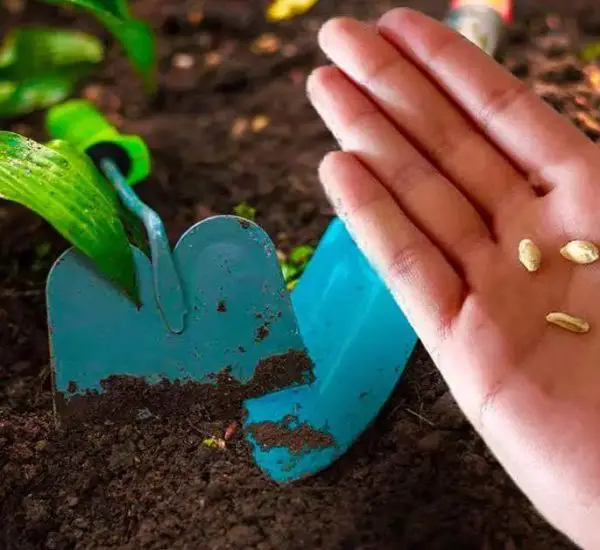
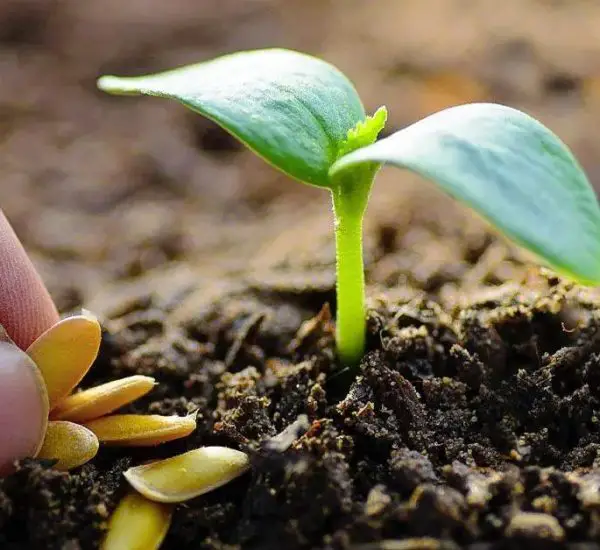
- Before sowing, soak pea seeds in warm water for several hours to expedite germination.
- Prepare the soil by digging it up, removing weeds, and incorporating fertilizers. Create furrows 3-4 cm deep and moisten them.
- Sow pea seeds 5-7 cm apart within the furrows. Cover the seeds with soil and gently press down with your hand.
Care:
- Water peas regularly, especially during flowering and fruiting stages.
- Weed regularly and loosen the soil to promote healthy root growth.
- Apply mineral fertilizers 2-3 times throughout the season to support pea development.
Harvesting: Harvest peas 50-70 days after sowing, when the pods are green and tender. Avoid harvesting overripe peas, as they can become tough and tasteless. Freshly harvested peas can be enjoyed immediately, or preserved through freezing, canning, or drying.
Remember:
- Peas thrive in cooler temperatures, so sow them early in the spring.
- Choose a sunny spot with fertile, well-drained soil for optimal growth.
- Rotate crops to avoid planting peas in the same location year after year.
- Soak pea seeds before sowing to speed up germination.
- Provide consistent watering and weed management.
- Harvest peas when pods are tender for the best flavor.
By following these guidelines, you’ll be able to cultivate delicious and nutritious peas that will be a delightful addition to your meals.