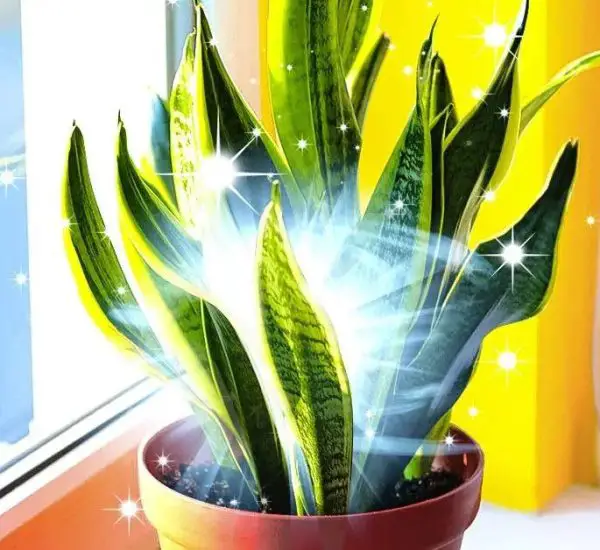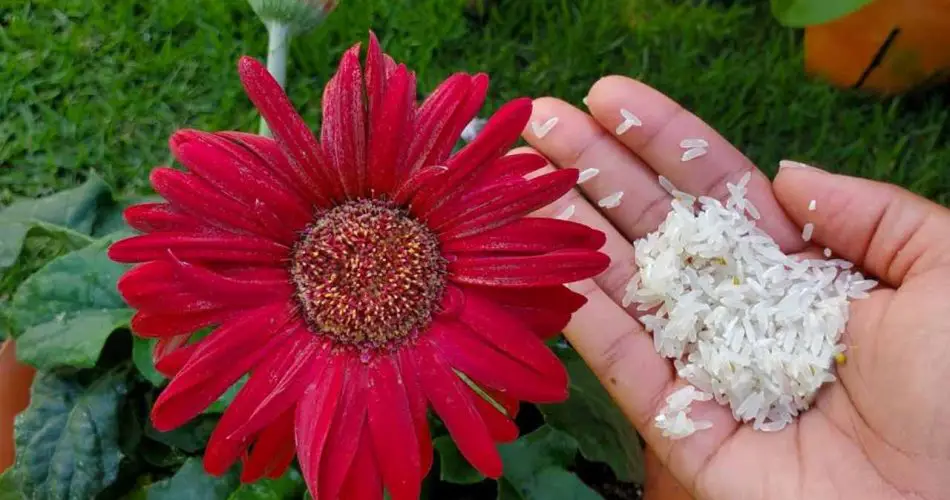
If you’re looking to give your houseplants a natural, nutrient-rich boost, rice cooking water can be a game-changer. This simple yet effective method utilizes the leftover water from cooking rice, which is packed with beneficial nutrients that can help your plants thrive.

Why Rice Cooking Water?
Rice cooking water contains essential nutrients that can greatly benefit your plants. After boiling rice, the water retains valuable minerals and vitamins, including:
- Folic Acid
- Potassium
- Zinc
- Iron
- Magnesium
- B Vitamins

These nutrients support plant growth, improve soil fertility, and enhance the overall health of your plants.
How to Use Rice Cooking Water:

- Cook the Rice:
- Cook white rice as you normally would. Ensure that no salt or other additives are used in the cooking process.
- Filter the Water:
- After cooking, carefully strain out the rice grains and keep the cooking water. Allow the water to cool to room temperature.
- Apply to Plants:
- Use the cooled rice water to water your plants as you would with regular water. Simply pour it onto the soil around your plants.
- Frequency:
- Apply this rice water once a week or as needed. Over time, you’ll notice your plants becoming more vibrant and lush.
Additional Tips:
- Avoid Salt: Ensure that the rice water used is unsalted, as salt can be harmful to plants.
- Store Properly: If you have excess rice water, store it in the refrigerator for up to a week.
- Monitor Plant Response: Observe how your plants respond to the rice water, adjusting the frequency or amount as needed based on their health and growth.
By incorporating rice cooking water into your plant care routine, you’ll provide your flowers and houseplants with a natural, cost-effective fertilizer that enhances their growth and vitality.
Show Comments