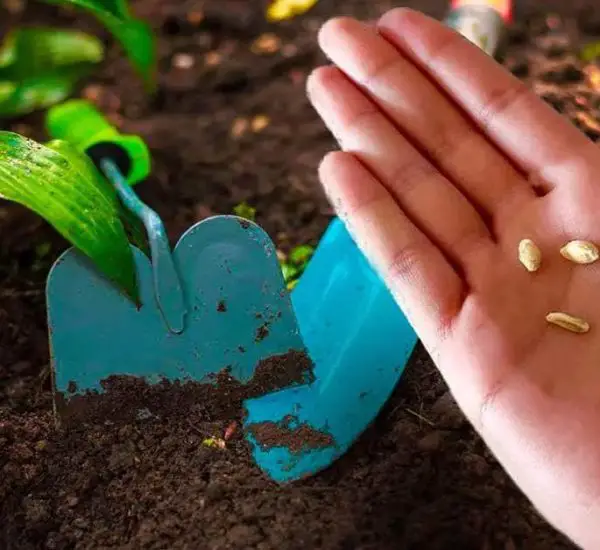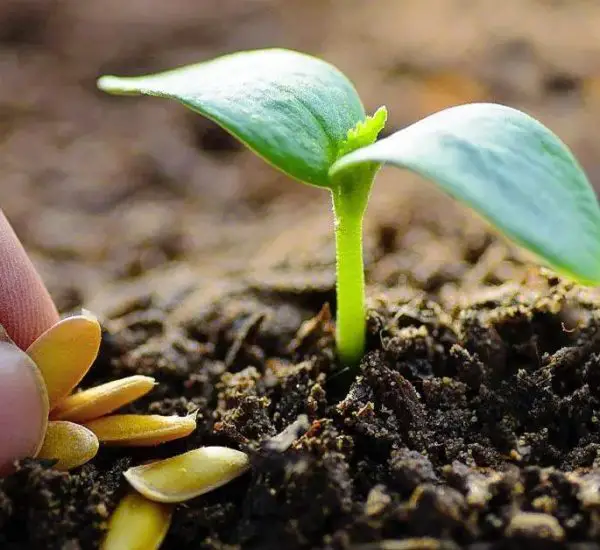
Using urine as fertilizer for plants is indeed a sustainable and effective practice supported by scientific research.
Here’s a summary of why it works and how to do it safely:
Benefits of Urine as Fertilizer:
- Studies have shown that urine can be as effective as traditional fertilizers, increasing plant productivity and yield.
- Urine is rich in nitrogen, phosphorus, and potassium, essential nutrients for plant growth.
- It can improve the growth and yield of various plant species, including roses, corn, tomatoes, cucumbers, zucchini, leafy greens, and potatoes.
- When used on lawns, urine can promote faster growth and greener appearance.
Using Urine as Fertilizer:
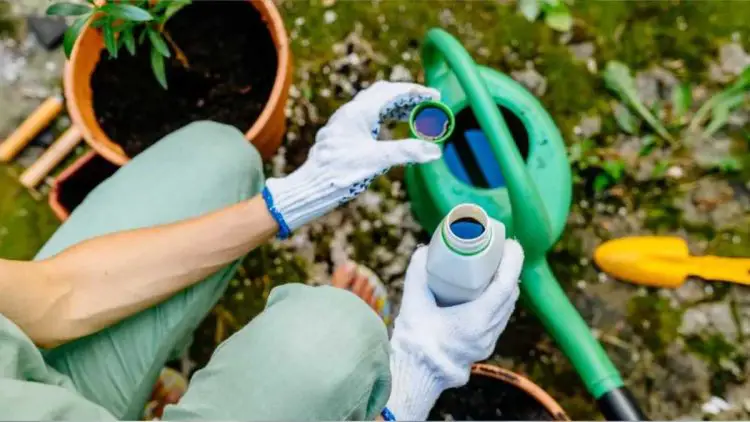
- Dilution: Urine should be diluted with water before applying to plants to prevent burning and excess salt buildup. A typical dilution ratio is 10 parts water to 1 part urine.
- Application: Choose robust plants away from water sources, eating areas, and playgrounds. Apply urine to the soil around the plants, avoiding direct contact with leaves or stems.
- Frequency: Use urine as fertilizer sparingly to avoid over-fertilization. It’s important to find the right balance to prevent harm to plants.
- Hygiene: Wash hands after application and ensure no other people or animals come into contact with the urine. Avoid applying urine to plants immediately before harvest to address hygiene concerns.
Innovative Solutions:
- Start-ups like Toopi Organics are developing biostimulants based on human urine to enhance plant growth and root formation.
- These initiatives promote ecological benefits by saving water used for flushing toilets and utilizing urine as a nutrient medium for beneficial bacteria.
By following these guidelines and precautions, you can effectively use urine as a sustainable fertilizer for your garden plants while minimizing any potential risks.
Show Comments