1. Repotting Rituals
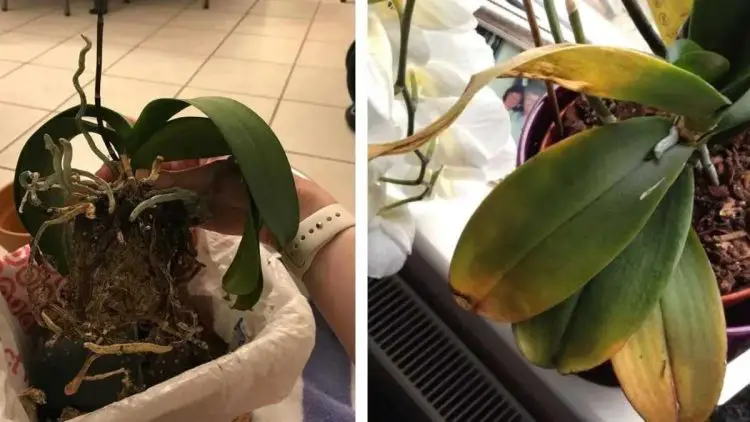
Every 2 to 4 years, post-flowering in spring, orchestrate the repotting of your orchids. Employ special orchid pots designed with built-in steps to prevent constant water immersion. Opt for transparent plastic pots for quick visibility of root conditions, turning gray-white when dry.
2. Orchid Substrate Selection
In nature, orchids flourish on trees, ensuring well-ventilated roots. Shield your orchids from potential root rot by eschewing regular potting soil. Embrace a loose orchid substrate to foster optimal growth.
3. Mastering the Ideal Location
Orchids thrive in light but detest prolonged direct sunlight exposure. If situated near a window, opt for east or west-facing windows to strike the perfect balance.
4. Water Wisdom
Winter calls for weekly watering, while warmer months demand a bi-weekly ritual. Gauge water needs by lifting the orchid; if it feels light, it’s time. Prevent waterlogging by misting leaves and indulging in a brief water bath, ensuring thorough drainage. Rainwater at room temperature is optimal, but if using tap water, ensure it’s not excessively hard or filter it accordingly.
5. Orchid Fertilization Fundamentals
Abide by the frugality principle when fertilizing orchids. Choose orchid fertilizers wisely, available in stick or liquid forms. Exercise caution during application to avoid contact with flowers, preventing fungus or pest issues. Fertilize only when new flower shoots emerge, and if using conventional liquid fertilizers, dilute them with water in a 1:10 ratio.
6. Pruning Prowess
Regularly inspect orchids for dead leaves, plant parts, or aerial roots, and skillfully remove them. Spritz with water to differentiate living parts before using scissors. Eliminate muddy or rotten sections carefully. After flowering, prune the flowering stems above the third small bract.
While home care significantly influences orchid quality and lifespan, a discerning purchase is equally crucial. Watch for potential issues, and with these six tips, your orchids will flourish with minimal risks.