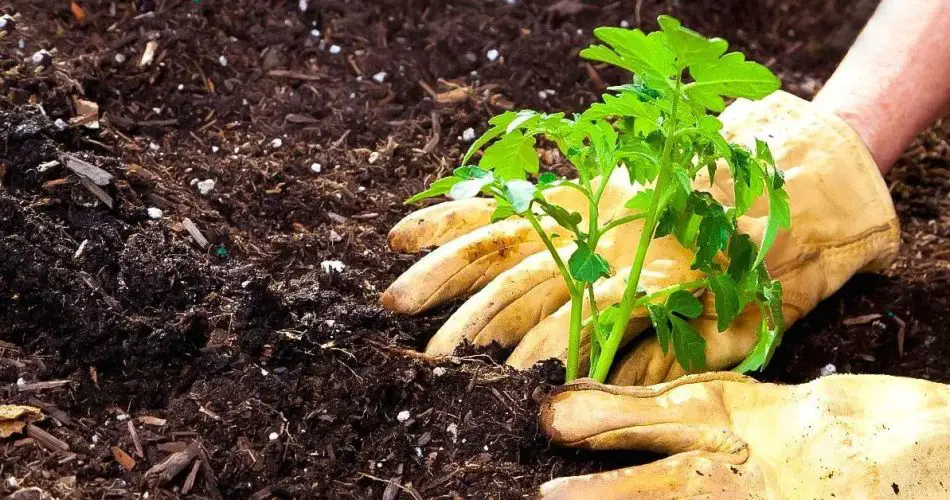
Growing your own vegetables is an immensely satisfying hobby, but to ensure a bountiful harvest, it’s essential to follow some important gardening principles. One of the most common mistakes made by novice gardeners is planting incompatible vegetables together. While tomatoes are a popular choice in many gardens, they can have “bad neighbors” that can negatively affect their growth and yield. In this article, we will explore which vegetables should not be planted next to tomatoes, why they can be harmful, and which vegetables make good companions for tomatoes.
What Is Companion Planting?
Before diving into the specifics of which vegetables to avoid planting with tomatoes, let’s briefly explain companion planting. This technique involves strategically growing different plants together in a way that benefits their growth. Plants can support one another by repelling pests, improving soil health, or providing shade. Conversely, some plants compete for resources or can even harm each other when planted too close together. Understanding which plants thrive next to each other can make all the difference in achieving a healthy garden.
The Worst Plant Neighbors for Tomatoes
While tomatoes are versatile and can grow alongside many vegetables, there are a few plants that should never be planted next to them due to potential harm to the crop or increased susceptibility to diseases. Here’s a list of the worst companions for tomatoes:
1. Corn
Corn is a major enemy of tomatoes due to the corn earworm (Heliothus zea), a moth larvae that feeds on both corn and tomato plants. The larvae can burrow into tomato fruit, making it inaccessible and inedible. This destructive pest is as harmful to tomatoes as it is to corn, so it’s best to keep these plants far apart.
2. Fennel
Fennel is notorious for being a bad neighbor in the vegetable garden. Although fennel is a fragrant herb, its roots release chemicals believed to inhibit the growth of nearby plants, including tomatoes. Many gardeners suggest growing fennel alone or in pots to prevent any negative effects on other crops.
3. Eggplant
Eggplants and tomatoes belong to the nightshade family, and while they may seem like similar plants, they should not be planted side by side. Both plants are vulnerable to tomato blight, a fungal disease that can quickly spread between them. Planting eggplants and tomatoes too close together increases the risk of disease transmission.
4. Potatoes
Like eggplants, potatoes are also part of the nightshade family and share many of the same diseases that can spread through the soil. Potato blight, for example, can easily infect both crops. Additionally, improper harvesting of potatoes can damage the tomato plants’ roots, which can stunt their growth and lead to poor fruit production.
5. Walnut Tree
Though not a vegetable, the walnut tree is a tree you definitely want to keep away from your tomatoes. Walnut trees produce a substance called juglone, which is toxic to many plants, including tomatoes. Even exposure to juglone in the soil can stunt tomato growth or prevent it from thriving altogether.
Which Vegetables Make Good Neighbors for Tomatoes?
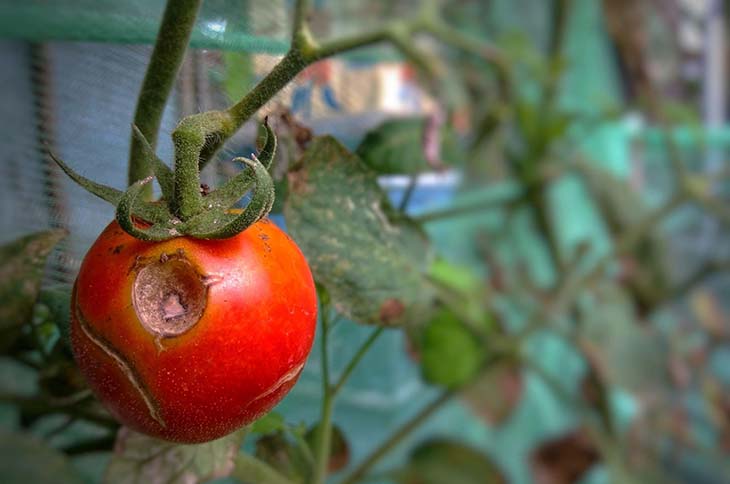
Now that we’ve covered the bad companions for tomatoes, let’s focus on the plants that thrive alongside them. Tomatoes benefit from being planted with certain vegetables and herbs that can enhance their growth, improve their flavor, and even ward off pests.
1. Basil
Basil is not only a flavorful herb but also one of the best companions for tomatoes. The strong aroma of basil is said to deter pests, particularly aphids and whiteflies, which often target tomatoes. Additionally, basil can improve the flavor of the tomatoes growing nearby.
2. Marigolds
These bright flowers are natural pest repellents. Marigolds attract beneficial insects like ladybugs, which feed on aphids, and their scent helps keep pests like nematodes and whiteflies away from tomatoes.
3. Carrots
Carrots and tomatoes make an excellent pair in the garden. Carrots grow well with tomatoes because they don’t compete for the same nutrients in the soil. Plus, carrots can help loosen the soil, making it easier for tomato roots to grow deeply.
4. Garlic and Onions
Garlic and onions are both known for their strong smells, which can help repel pests like aphids, whiteflies, and hornworms from tomato plants. These two alliums make great companions in the vegetable garden and help keep tomatoes healthy.
5. Lettuce and Spinach
Lettuce and spinach are low-growing leafy greens that won’t compete with tomatoes for light or nutrients. Planting them next to tomatoes can help shade the soil, keeping the roots cool and moist in hot weather, which is ideal for tomatoes.
Conclusion: Plant Smart for a Better Harvest
Understanding the relationships between different plants is key to successful gardening. When it comes to tomatoes, avoiding bad companions like corn, fennel, eggplants, potatoes, and walnut trees will ensure a healthier garden and a more abundant harvest. At the same time, pairing tomatoes with good companions such as basil, marigolds, and garlic can promote strong growth, enhance flavors, and protect your plants from pests.
By practicing companion planting, you’ll be able to create a garden that encourages harmony and productivity. Happy gardening!


