Deep in the waters of Shark Bay, Australia, lies a truly extraordinary marine plant—Posidonia australis. This unique species has amazed scientists not only for its massive size (covering nearly 200 square kilometers), but also for its ability to self-clone, allowing it to adapt and thrive in ever-changing environments.
Let’s dive into what makes Posidonia australis so fascinating!
🌱 What Is Posidonia australis?
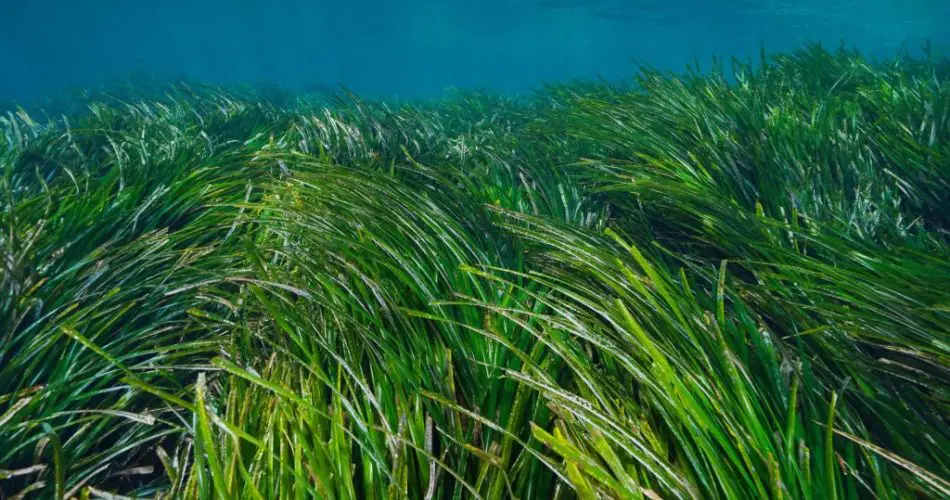
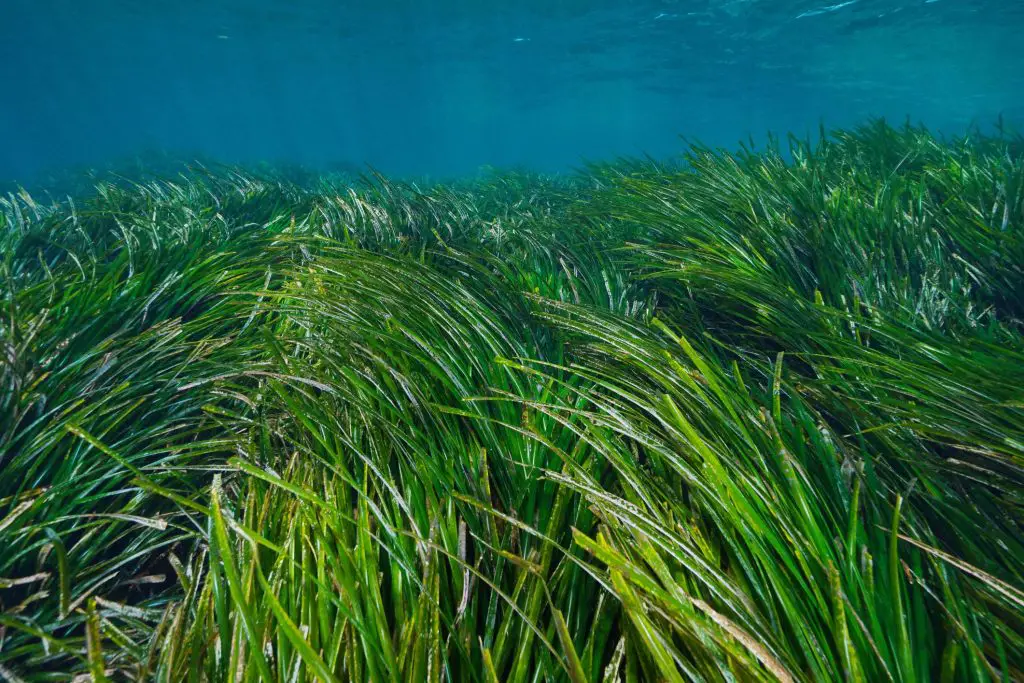
Posidonia australis is a marine plant from the Posidoniaceae family. It grows in dense underwater meadows, providing essential habitats for marine life.
🔎 Key Features of Posidonia australis:
✔ Ribbon-like leaves – Can grow several meters long, with a width of 11-20 millimeters
✔ Bright green color – Over time, the leaves may turn brown
✔ Monoecious plant – Each plant has both male and female flowers, making it self-sufficient for reproduction
Unlike regular plants that rely on insects for pollination, Posidonia australis reproduces hydrophilically—meaning its pollen spreads through the water.
However, its most astonishing feature is its ability to reproduce vegetatively through underground rhizomes, a key factor in its self-cloning ability.
🔁 How Does Posidonia australis “Self-Clone”?
This marine marvel doesn’t just reproduce through pollination—it clones itself through an underground system of rhizomes.
🌿 What are rhizomes?
Rhizomes are horizontal stems that grow beneath the seabed. They sprout new shoots, which emerge from the sand and form new plants that are genetically identical to the original.
🌍 Why is this important?
This cloning process allows Posidonia australis to:
✅ Expand over vast areas – Spreading over 200 square kilometers as a single organism
✅ Survive harsh conditions – Maintaining a stable population even in changing climates
✅ Thrive for thousands of years – Some scientists believe this plant has existed for over 4,500 years!
Because of this unique reproductive strategy, the entire meadow in Shark Bay is technically a single, giant plant—making it the largest plant in the world.
📍 Where Can You Find Posidonia australis?
This marine plant is endemic to Australia, specifically found along the coasts of:
✔ Western Australia
✔ Southern Australia
✔ Eastern Australia
🏆 The Largest Posidonia australis Meadow
The most famous and largest meadow of Posidonia australis is found in Shark Bay, located in Western Australia’s Gascoyne region. Due to its biodiversity and ecological importance, Shark Bay is a UNESCO World Heritage Site.
🌊 A True Wonder of the Ocean
The self-cloning ability of Posidonia australis makes it a remarkable example of nature’s resilience. Covering an area larger than many cities, this plant continues to thrive, adapt, and support marine ecosystems, proving just how powerful and mysterious our oceans can be. 🌎💙