Embracing the organic gardening trend is an exciting journey, but even the most diligent gardeners can overlook some essential details. One common mistake is planting tomatoes and onions in close proximity without considering the intricacies of crop rotation and companion planting. Here’s why this combination might be your garden’s worst mistake:
1. Crop Rotation and Soil Depletion:
- Crop Rotation Importance: Crop rotation involves planting different crops in the same area over several seasons to maintain soil fertility.
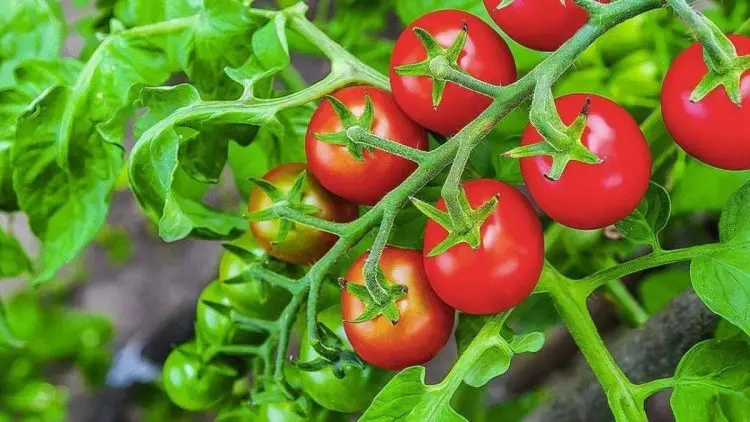
- Nutritional Needs: Tomatoes and onions have different nutritional needs. Tomatoes are nutrient-intensive, requiring substantial amounts of nitrogen, phosphorus, and potassium. Onions, with distinct needs, can deplete the soil of these nutrients if planted consecutively.
- Result: Soil depletion can hinder proper growth, and the continuous cultivation of tomatoes and onions in the same location attracts harmful insects, making your crops vulnerable to pests.
2. Incompatible Plants with Tomatoes:
- Tomato-friendly Neighbors: Tomatoes thrive when planted near carrots, salad, cucumbers, garlic, cabbage, basil, chives, asparagus, and spinach.
- Incompatible Plants: Avoid planting tomatoes with corn, fennel, dill, potatoes, and eggplant.
- Reasons: These combinations may attract similar pests and diseases, leading to decreased yields and compromised plant health.
3. Specific Issues with Incompatible Plants:
- Corn: Attracts moth larvae that feed on both tomatoes and corn.
- Fennel: Inhibits tomato growth.
- Dill: Slows tomato growth when mature.
- Potatoes: Compete for nutrients, making both plants vulnerable to diseases.
- Eggplant: Shares susceptibility to diseases, such as late blight.
4. Incompatibility with Onions:
- Onion Companions: Onions generally get along well with other plants, but some exceptions exist.
- Avoid Planting Onions Near:
- Beans, peas, and legumes: Onions may interfere with beneficial root bacteria, slowing legume growth.
- Asparagus: Competes for nutrients, hindering growth.
- Sage: Adds excessive nitrogen, potentially impacting onion bulbs.
- Other onion family members (garlic, leek, shallot, chives, spring onion): Attracts pests harmful to onions.
5. Companion Planting Wisdom:
- Legumes with Onions: Although onions and legumes might seem compatible, it’s advisable to plant onions after harvesting legumes like peas and beans, ensuring optimal growth for both.
Understanding the intricacies of crop rotation and companion planting is crucial for a successful and thriving garden. Avoiding the pitfalls of planting tomatoes and onions together and considering the compatibility of neighboring plants will contribute to healthier crops, increased yields, and a more sustainable garden environment. Happy gardening!
Show Comments