
There’s a particular insect wreaking havoc in gardens, often overlooked despite its severe impact. Here’s why you should never underestimate its damage and how experts suggest dealing with it.
The Menace in Your Garden
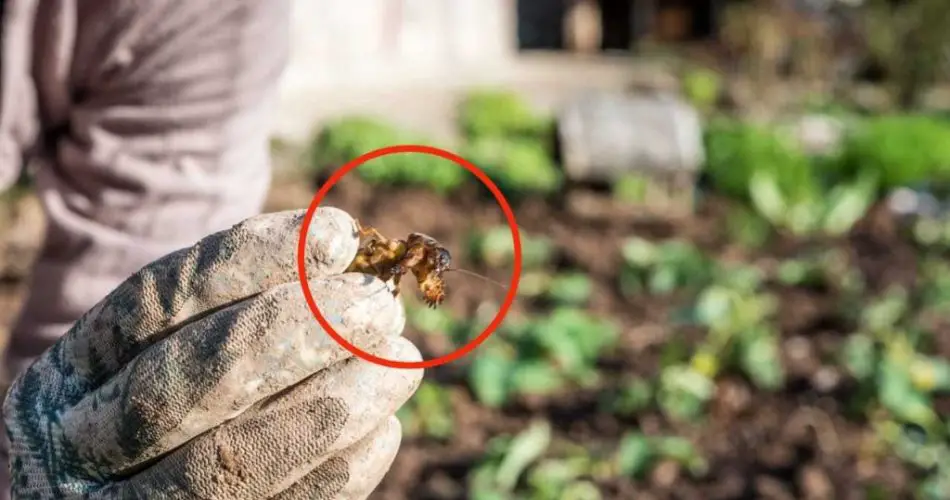
Gardening is challenging, and pests can potentially ruin all your hard work. One particularly harmful insect, though often dismissed as harmless, poses a significant threat to your garden. This pest feeds primarily on plant sap, gradually killing crops and causing extensive damage. Vigilance and prompt action are crucial to managing this pest effectively.
Identifying and Addressing the Damage
Gardening enthusiasts must be aware of pests that can wreak havoc on their plants. One such pest is the vine weevil. Despite its unassuming appearance, it is a major threat. The vine weevil targets plants by attacking the leaf tissue and young wood, causing considerable damage to crops, fruit trees, and garden plants.
Characteristics and Impact
The vine weevil’s preferred targets include jasmine, strawberries, maples, fruit trees, and roses. This pest is remarkably resilient, able to withstand extreme temperatures, humidity, and even limited food sources by feeding on plant sap. While every creature has a role in the ecosystem, this pest’s destructive behavior necessitates effective removal strategies.
Expert Recommendations
Experts advise against using insecticides, which can be harmful to both the crops and the environment. Instead, they recommend alternative methods for managing these pests. Shaking plants at night can cause the insects to fall to the ground, making them easier to manage. Additionally, regular pruning of plants ensures that they receive the necessary nutrients to resist pest attacks.
Natural Remedies for Pest Control

Nature offers several natural solutions for deterring the vine weevil. Mint is particularly effective, as its strong aroma repels these pests. Planting mint in your garden or placing leaves near affected areas can be highly beneficial. Similarly, garlic acts as a natural repellent when sprayed on plants. Other options include using Neem oil or a mixture of soap and water.
Protecting Your Garden Naturally

As experts emphasize, protecting your garden doesn’t necessarily involve chemical insecticides. Embracing natural remedies and utilizing plants and essences can help manage pests while preserving the natural balance of your garden. By following these eco-friendly methods, you can safeguard your garden and support its ongoing health and vitality.