Is the Compost Pit a Genius Solution for Your Garden?
Having a green thumb is a coveted skill, and a compost pit could be the secret to turning organic waste into fertile soil for thriving plants. Let’s explore the concept of a compost pit, a discreet and efficient way to recycle organic materials while providing several advantages over traditional compost piles:
Advantages of a Compost Pit:
- Aesthetics:
- More discreet and aesthetically pleasing compared to an open compost pile.
- Thermal Regulation:
- Benefits from the natural thermal regulation of the soil, maintaining a stable temperature for efficient decomposition.
- Weather Protection:
- Buried compost is better protected against extreme weather conditions, such as heavy rain, winds, or frost.
- Protection from Animals:
- Less likely to attract animals like rodents or stray animals compared to an open compost pile.
- Space-Saving:
- Takes up less space than a traditional compost pile.
Steps to Create a Compost Pit:
- Choose a Location:
- Select a shaded, well-drained area in the garden, away from water sources and heavy animal traffic.
- Determine Pit Size:
- Decide on the size of the compost pit, with a recommended minimum of 1 meter wide, 1 meter long, and 1 meter deep.
- Soil Preparation:
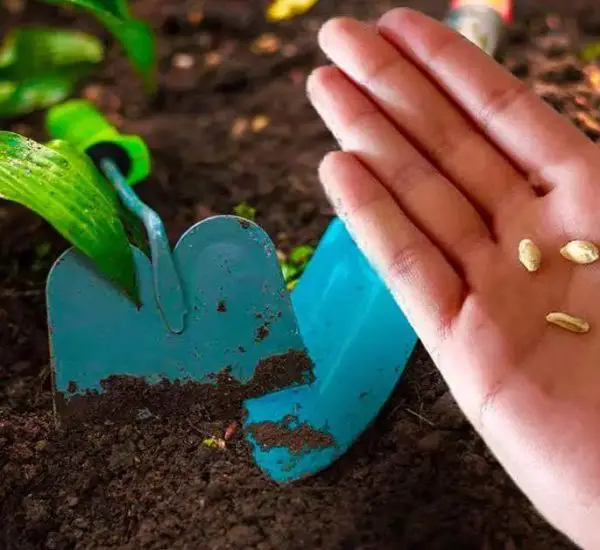
- Remove grass or plants from the chosen area using a garden hoe or shovel. Redistribute the removed soil in the garden.
- Construct the Pit:
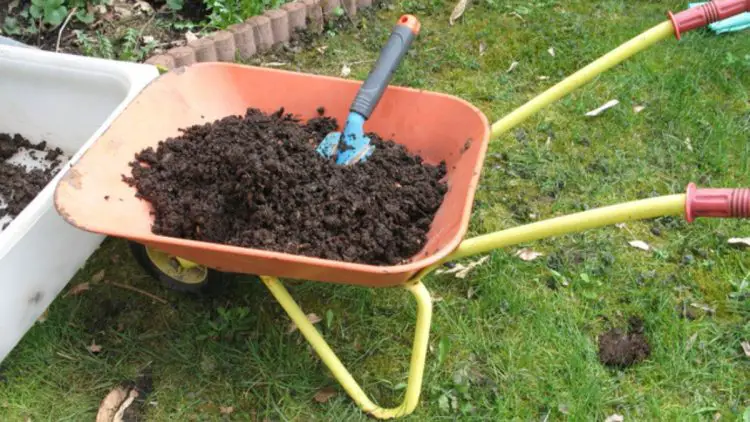
- Start with a layer of coarse materials like cut branches or cardboard at the bottom for aeration. Add layers of leaves, grass, or compost. Continue adding fresh waste in layers. Introduce compost worms for accelerated decomposition.
- Maintain Humidity and Ventilation:
- Keep the compost pit moist but not overly wet. Water if needed and cover during rain to prevent nutrient leaching. Use a fork to aerate the compost for oxygen supply.
- Time and Patience:
- Composting is a natural process that takes time, ranging from several months to a year. Be patient and allow the compost to decompose fully.
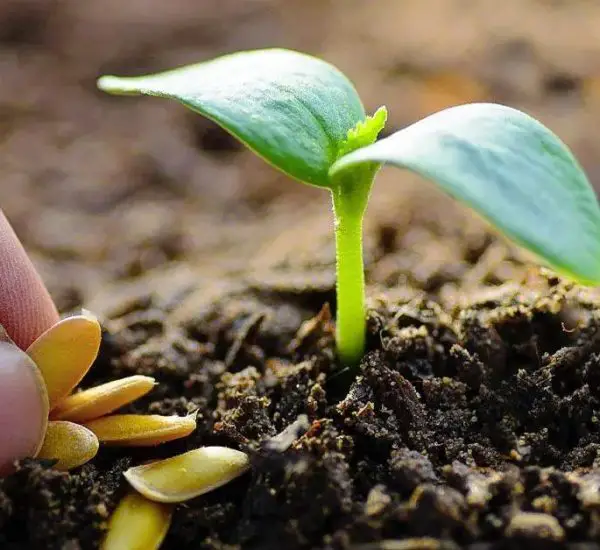
The compost pit, once ready, serves as a nutrient-rich flower bed without the need for harvesting compost. During the composting process, you can even plant nutrient-hungry plants in the pit, ensuring a continuous supply of nutrients.
Creating a compost pit is a sustainable and eco-friendly solution for waste reduction while producing valuable fertilizer for your garden. Consider whether a compost pit could be a beneficial addition to your gardening practices.