Turmeric, with its vibrant yellow hue and peppery flavor, is a spice beloved in culinary circles, especially in Indian cuisine. Often called “Indian saffron” for its color, turmeric is more than just a kitchen staple—it also offers a wealth of benefits for your garden. Packed with remarkable properties, turmeric is an unexpected ally in plant care. In this article, we’ll explore the many virtues of turmeric and how to use it to enhance the health of your plants.
Turmeric’s Role in Plant Care
Turmeric isn’t just a flavor enhancer—it’s a powerful natural agent that can greatly benefit your plants. Here are some key advantages of using turmeric in your garden:
- Treats Plant Diseases
- Has Fungicidal Action
- Repels Parasites and Insects
While chemical fertilizers and pesticides are widely available for gardening, they come with environmental and health risks. These substances can harm not only plants but also animals and humans. To avoid these harmful effects, opting for natural alternatives like turmeric can be a great choice for sustainable gardening.
The Power of Curcumin in Turmeric

The key active ingredient in turmeric is curcumin, a potent antioxidant known for its anti-inflammatory and antimicrobial effects. Curcumin is not only beneficial for human health, but it also offers amazing advantages for plants. This natural compound helps eliminate various plant diseases and keeps your garden thriving without resorting to chemical treatments.
Turmeric as a Natural Fungicide
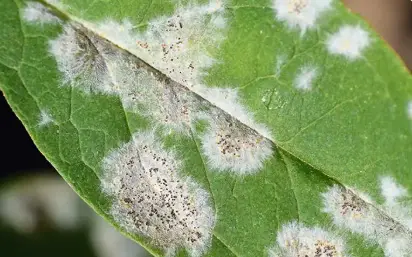
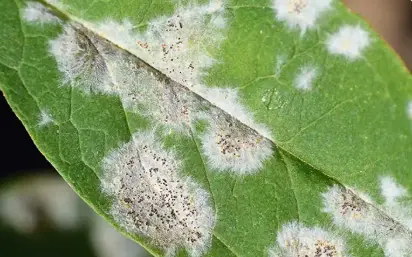
One of the most common plant diseases, powdery mildew, also known as “white disease”, is caused by a fungus. This fungal infection typically appears during temperature changes and periods of high humidity. Instead of using harmful chemicals, you can treat your plants with turmeric.
How to Use Turmeric for Powdery Mildew:
- Prepare a mixture of two parts ash and one part turmeric.
- Apply this mixture directly to the infected areas of your plants.
Not only will this remedy help treat powdery mildew, but it will also act as a natural pesticide. The strong scent of turmeric repels insects and other pests, protecting your plants from damage.
Grow Turmeric at Home for a Continuous Supply
Instead of purchasing turmeric, you can easily grow your own at home! By planting a small piece of turmeric rhizome, you can cultivate this powerful plant in your garden and enjoy a bountiful harvest whenever you need it.
Turmeric for Skin Irritations and Insect Bites
Gardening often involves the occasional insect bite or minor wound. Fortunately, turmeric is also a fantastic remedy for such issues. Its anti-inflammatory and emollient properties make it an excellent treatment for reducing itching and discomfort from insect bites or skin irritations.
Additionally, turmeric helps disinfect wounds and protects the skin from potential infections, making it a valuable tool for any gardener.
Conclusion
From treating plant diseases and fungal infections to protecting your skin from gardening mishaps, turmeric proves to be a versatile and natural remedy for many gardening challenges. By incorporating turmeric into your plant care routine, you can avoid harmful chemicals while promoting the health and growth of your plants. Grow it at home, use it to protect your crops, and enjoy a thriving garden with this powerful, eco-friendly ally!


