The 10 Mistakes to Avoid for a Beautiful Vegetable Garden
Embarking on growing your own vegetables and herbs is an exciting journey, but it’s not without its challenges. Here are the top ten common mistakes to steer clear of and how to rectify them:
Mistake #1: Planting Too Early Resist the urge to jump into planting as soon as spring arrives, especially if you’re in an area prone to frost. Tender crops like tomatoes and peppers should wait until nighttime temperatures consistently reach at least 13℃. Consider using protective covers like cloches or grow cloths to give them a head start.
Mistake #2: Crowding Plants While some salad greens thrive when grown close together, most vegetables benefit from proper spacing. Ensure good air circulation by giving plants like tomatoes at least 2 to 3 feet of space between each other to prevent diseases like mildew.
Mistake #3: Watering Imbalances Finding the right balance with watering is crucial. Most crops require about an inch of moisture per week. Invest in a rain gauge to monitor rainfall and supplement with drip irrigation during dry spells. Overwatering can lead to wilting and yellowing leaves, while underwatering results in stunted growth and fruit.
Mistake #4: Inadequate Sunlight Vegetables and herbs need at least six hours of direct sunlight daily. Lack of sunlight can hinder fruit production and result in smaller, less flavorful yields. If space is limited, consider container gardening in sunnier spots.
Mistake #5: Neglecting Soil Improvement Healthy soil is the foundation of a successful garden. Enhance it with compost or manure to provide essential nutrients for your crops. Work the soil when it’s sufficiently dry to avoid compaction.
Mistake #6: Allowing Weeds to Thrive Weeds compete with your plants for resources and can quickly take over if left unchecked. Mulch the soil surface to suppress weed growth, and promptly remove any weeds that manage to emerge.
Mistake #7: Overplanting Avoid the temptation to grow too many varieties or quantities of vegetables. Focus on crops that your family enjoys and can realistically consume. Overplanting leads to neglect and may result in poor yields.
Mistake #8: Underfeeding Your Crops Vegetables need nourishment to thrive. Amend the soil with compost regularly and consider using slow-release fertilizers to provide a steady supply of nutrients. Avoid overfeeding, which can lead to excessive foliage growth at the expense of fruit production.
Mistake #9: Lack of Support Many vegetables benefit from support structures to keep them off the ground and promote healthy growth. Use cages, trellises, or stakes to support plants like tomatoes, cucumbers, and beans.
Mistake #10: Ignoring Pests Regularly inspect your crops for signs of pests and take action promptly. Handpick pests or use biological control products if necessary. Vigilance is key to preventing pest infestations from damaging your entire garden.
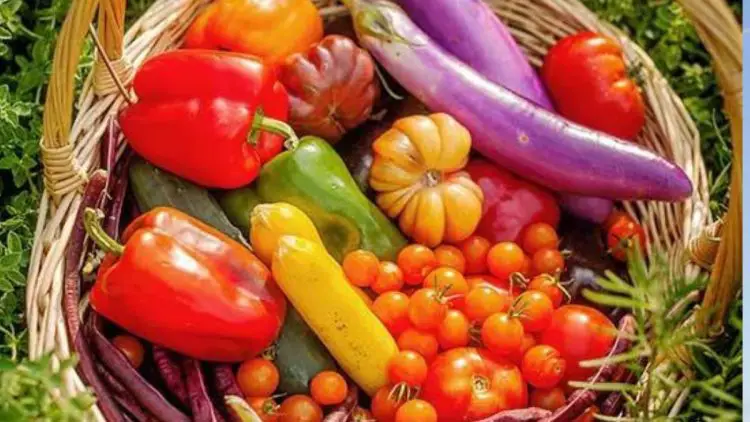
By avoiding these common pitfalls and implementing proper gardening practices, you can enjoy a bountiful and beautiful vegetable garden all season long.