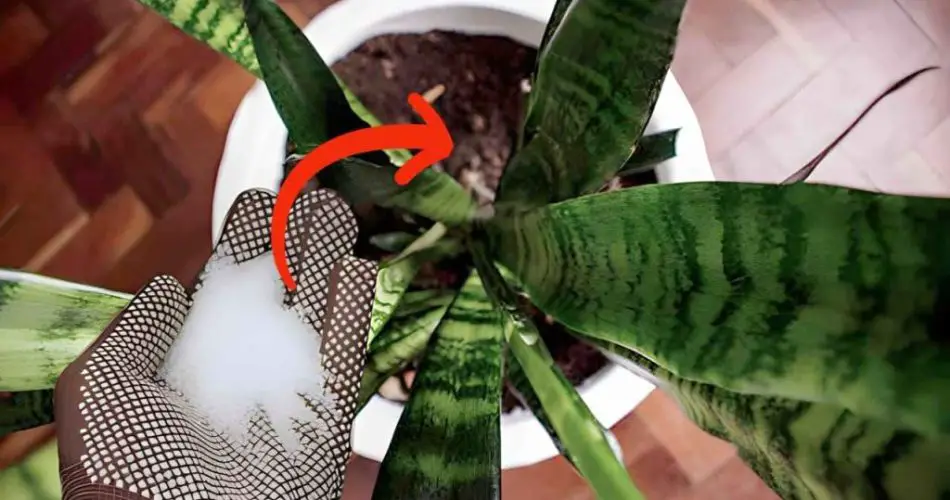

You might be surprised to learn that a simple ingredient like salt can have remarkable effects on your houseplants. If you’re curious about this intriguing method, read on to discover how you can achieve impressive results with just a sprinkle of salt.
Natural Plant Care
Houseplants are not just decorative; they bring vibrancy and a sense of tranquility to any space. However, maintaining them requires a bit of know-how. With spring’s arrival, plants often start to grow new leaves and flowers, making it the perfect time to give them a little extra attention.
Caring for houseplants naturally involves using organic products and home remedies. For example, opting for rainwater over tap water can be beneficial as it contains fewer chemicals and minerals. Homemade fertilizers made from compost or manure provide essential nutrients that foster robust growth.
Salt and Houseplants

Spring is a crucial time for nurturing your plants. In addition to regular watering and fertilizing, introducing a small amount of salt can enhance their health and appearance.
Epsom Salt: A Secret Weapon

One particular type of salt, Epsom salt, can be especially effective. This mineral, rich in magnesium, is known to support chlorophyll production, which is vital for photosynthesis. By promoting these processes, Epsom salt helps your plants grow healthier and more vigorously.
How to Use Epsom Salt

Epsom salt can be used in various ways to benefit your plants. You can dissolve it in water and use it as a foliar spray, applying it directly to the leaves. Alternatively, mix it into the soil or your regular fertilizer to boost plant nutrition. Its benefits are both practical and easy to implement.
Key Elements for Plant Health

For optimal plant growth, there are five essential elements to consider:
- Sunlight: Ensure your plants receive adequate light for photosynthesis. Different plants have different light requirements, so adjust their placement accordingly.
- Water: Regular watering is crucial, but avoid overwatering. Plants need a balanced moisture level to thrive.
- Air: Proper air circulation is important for absorbing carbon dioxide and oxygen, which are essential for plant health.
- Temperature: Maintain a suitable temperature range for your plants. Avoid extreme heat or cold, which can stress the plants.
- Space: Provide enough space for plants to grow and develop. Crowded conditions can hinder their growth.
Conclusion

Incorporating a small amount of Epsom salt into your plant care routine can lead to impressive improvements in plant health and blooming. By addressing key care factors and using this simple addition, you can enjoy lush, vibrant houseplants that enhance your home environment. Give this method a try and watch your plants thrive!


