Gardeners often ponder the ideal timing for raspberry pruning: Is it best done in fall or spring? The answer lies in understanding the most suitable period for this crucial task, as it greatly impacts raspberry growth and yield.
Let’s delve into this question.
When to Prune Raspberries in Spring
Spring, typically from March to early April, emerges as the prime season for raspberry pruning. However, specific dates may vary based on local climate and weather conditions. The key is to prune after the snow has fully melted but before the ground warms up. During this time, raspberries benefit from sanitary pruning to maintain their health and prepare for the upcoming growing season.
How to Properly Prune Raspberries in Spring
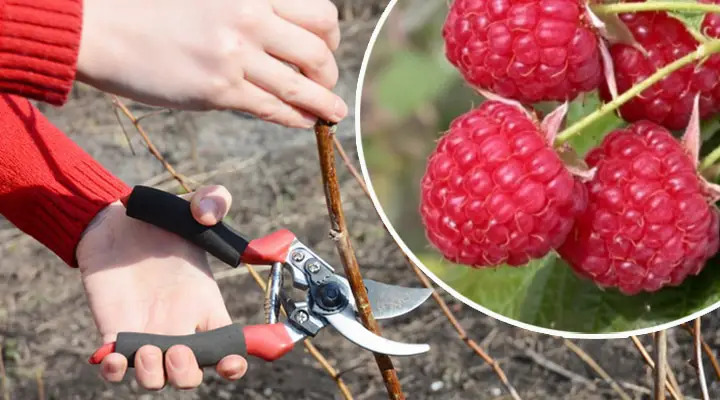
Pruning raspberries in spring is straightforward yet demands attention and adherence to key principles:
- Remove Damaged Branches: Begin by cutting out any damaged, dry, frozen, or weakened shoots. This proactive step preserves the bush’s health and vigor.
- Shorten Healthy Branches: Trim healthy branches back to the first healthy bud. This encourages new bud growth, leading to the development of fruitful shoots.
- Thin Planting: Ensure each raspberry bush has no more than 15-20 of the strongest shoots per linear meter. Thinning out excess growth prevents overcrowding and ensures optimal nutrient distribution.
For those seeking prolonged raspberry fruiting throughout summer, consider the following approach:
- Trim one-third of the bushes by 10-15 cm.
- Halve the length of another third.
- Leave the remaining branches with 15-20 cm long shoots intact.
Pruning Remontant Raspberries in Spring
For remontant raspberries, which yield one crop per season, remove all branches without leaving stumps. If aiming for two crops, eliminate brown-colored branches that have already borne fruit, along with young growth near the roots. Shorten one-year shoots by 15-25 cm.
By following these guidelines, you’ll expertly prune raspberries in spring, ensuring their vitality and a plentiful summer harvest.