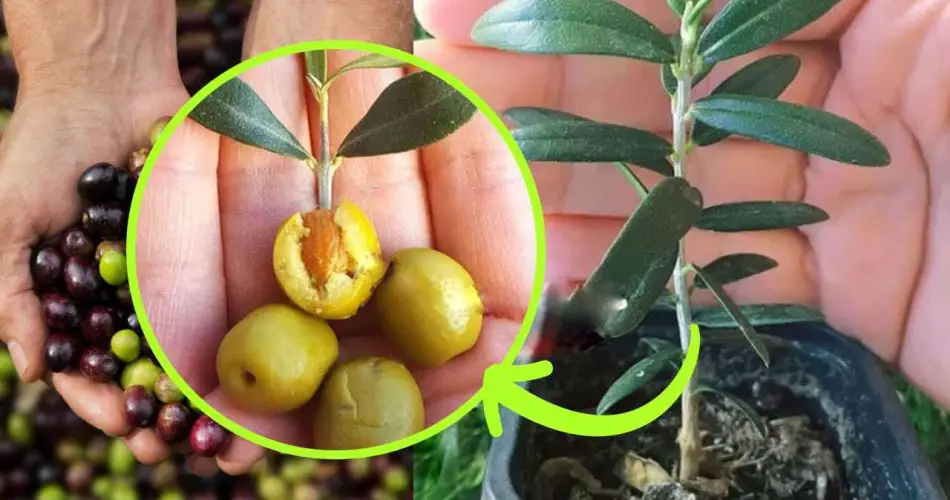
Growing an olive tree in a pot is entirely possible and can yield great results with the right techniques. Here’s how to ensure your potted olive tree thrives.

Ideal Placement for Your Olive Tree
First and foremost, place your olive tree sheltered from cold winds and in a location that receives ample sunlight. It’s best to choose a spot where sunlight comes from the south. During winter, move the plant closer to a wall or window to protect it from the cold while maximizing exposure to warmth.
Importance of Fertilization
Fertilization is crucial, especially during the flowering period. Use a liquid fertilizer mixed with water for optimal nutrient absorption. This combination promotes healthy growth.
Irrigation: How and When to Water

When it comes to irrigation, potted olive trees require more water than those planted in the ground. Their roots are confined to a limited substrate that dries out quickly.
- Autumn: Water less frequently, even skipping sessions at times, until spring arrives.
- Spring: Water every two to three weeks.
- Summer: Water once a week.
- Autumn: Water only once a month.
Always check the soil moisture between waterings to avoid water stagnation, which can be detrimental to your plant’s health.

Pruning Your Olive Tree
Pruning is essential for maintaining the health and shape of your olive tree. Regularly cut branches to enhance growth and improve the plant’s appearance. Ensure the height remains manageable and consider shaping the tree into conical or cylindrical forms. Proper pruning should tilt the plant downwards to facilitate rainwater drainage and prevent fungal growth.
After the initial pruning, focus on trimming excessive branches that protrude, starting from the top and moving downwards.
Pests and Diseases: What to Watch For

Unlike olive trees in the ground, potted olive trees typically do not produce fruit. However, they are still susceptible to pests and diseases.
Field olive trees can be affected by the olive fly, while potted trees may face threats from cochineal. Signs of infestation include dried or prematurely falling leaves. Additionally, potted olive trees can be prone to fungal infections.
To protect your plant, use copper-based products for prevention and to keep pests at bay. Regular monitoring is key to maintaining the health of your potted olive tree.