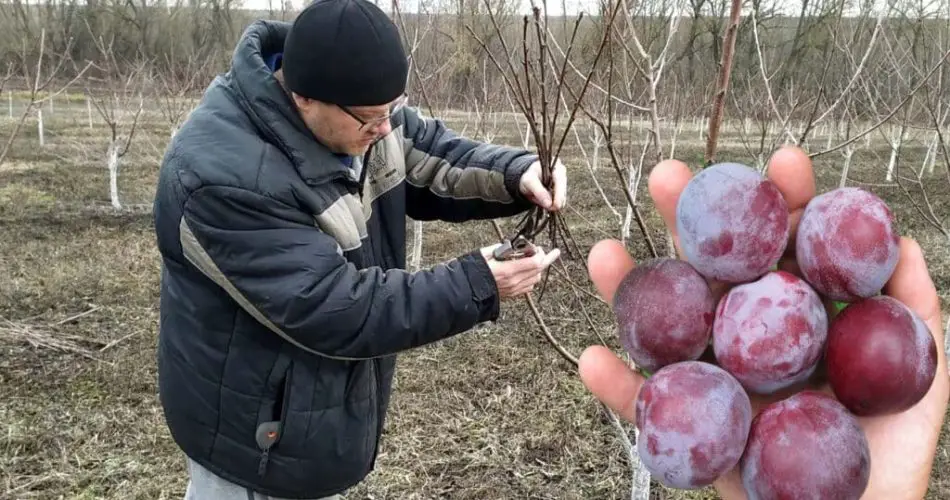
Pruning plum trees in spring is essential for maintaining their health and productivity.
Here are six main rules to follow when pruning plum trees:
- Timing: Prune plum trees in late March to early April, before buds start to bloom but after the risk of frost has passed. This timing allows wounds to heal quickly and reduces stress on the tree.
- Sterilize Tools: Use clean and sharp pruning tools to make precise cuts and minimize the risk of disease transmission. Sterilize pruning tools with rubbing alcohol or a solution of bleach and water before and after use.
- Follow Natural Shape: When pruning, follow the natural growth habit of the tree to maintain its bushy shape. Remove any branches that are crossing, rubbing, or growing into the center of the crown.
- Remove Diseased and Damaged Branches: Identify and remove any diseased, dead, or damaged branches to prevent the spread of disease and encourage new growth. Cut back to healthy tissue, making clean cuts at a 45-degree angle.
- Thin Out Crowded Growth: Thin out crowded branches to improve air circulation and light penetration within the canopy. This helps reduce the risk of fungal diseases and promotes even fruit ripening.
- Prune Young Trees Properly: For young plum trees, focus on shaping the canopy and promoting strong scaffold branches. Remove competing leaders and thin out excess growth to encourage a balanced framework.
Remember to avoid heavy pruning in late summer or fall, as this can stimulate new growth that is vulnerable to frost damage. By following these pruning rules, you can maintain the health and productivity of your plum trees and enjoy a bountiful harvest of delicious fruits.
Show Comments