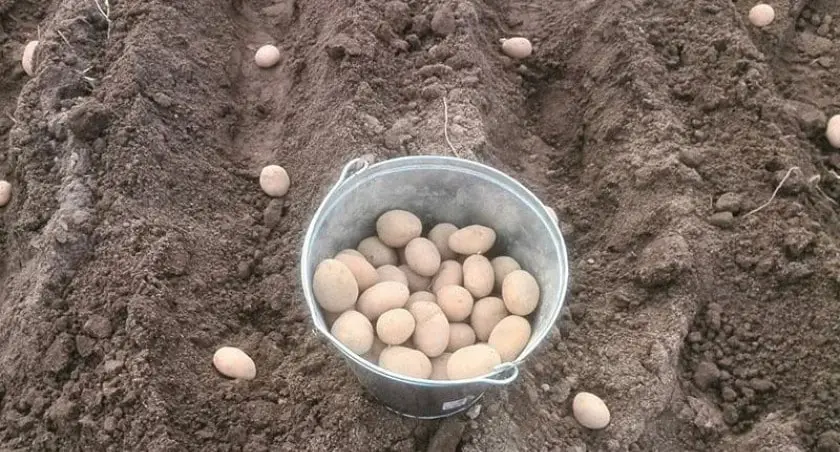
As spring emerges, the minds of many gardeners turn to the task of planting potatoes.
Yet, for a successful potato crop, it’s crucial to adhere to specific guidelines and consider optimal timing and conditions.
Potato Varieties
Before delving into planting, selecting the right potato variety is essential, as each has its own ripening period and usage characteristics:
- Early Varieties: Ideal for a quick harvest in 55-60 days, but not suitable for long-term storage. Examples include Zhukovsky early, Udacha, Red Scarlet, Ariel, and Elena, typically planted in the first warm days of spring.
- Mid-Early Varieties: Planted in mid-May, these varieties yield crops in 65-80 days. Suitable for short-term storage, they include Elizaveta, Nevsky, Rowan, Scarlet, and Illinsky.
- Mid-Ripe Varieties: Planted in early May and harvested in 80-95 days. Tasty but requiring disease protection, examples are Dibrova, Sinyooka, and Lugovskyi.
- Mid-Late Varieties: Planted at the end of May and harvested after 95-110 days. Disease-resistant and suitable for long-term storage, they include Asterix, Zhuravlynka, and Nikulinsky.
- Late-Ripening Varieties: Planted closer to summer and harvested after 120 days. Frost-resistant and long-storing, examples are Lorha, Atlant, and Saturn.
Optimal Planting Time
Consider several factors that influence successful potato planting:
- Soil Temperature: Aim for a soil temperature of 8-10°C at a depth of 10 cm for potato germination.
- Air Temperature: Ensure the average daily air temperature stays above 10°C.
- Weather Conditions: Plant on dry, sunny days to prevent potato rot, avoiding planting during rainy periods.
- Lunar Calendar: Consult the lunar planting calendar, avoiding planting on New Moon and Full Moon days or during the waxing moon phase.
By heeding these considerations, you can maximize the success of your potato planting and anticipate a plentiful harvest in 2024.
Show Comments