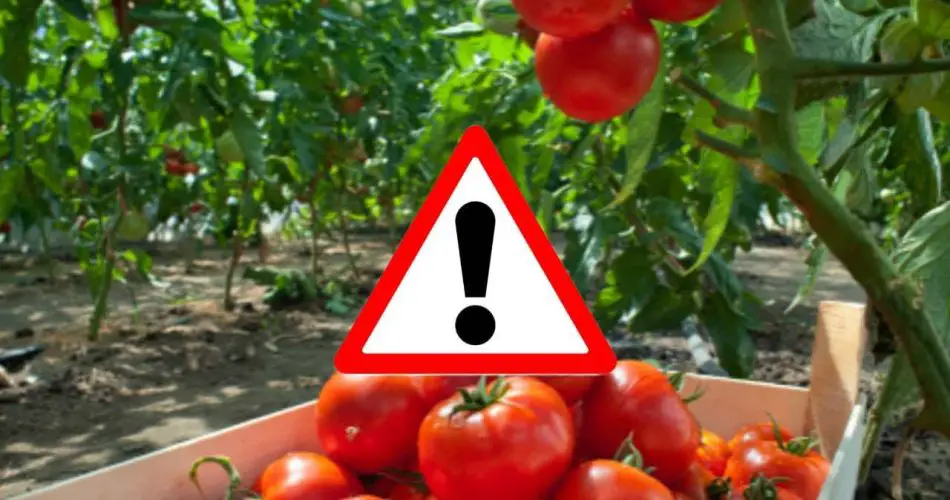
Avoiding harmful pesticides in tomatoes is crucial for both our health and the environment. Here’s what you need to know to stay safe.

Pesticides in Tomatoes
Pesticides are commonly used in modern agriculture for pest control. However, the use of chemical pesticides can be extremely hazardous, particularly in tomatoes. Let’s explore why chemical pesticides in tomatoes pose significant risks and how to avoid them.
Why You Should Be Cautious

Firstly, chemical pesticides are known for their toxicity to human health. Consuming products treated with these pesticides can have detrimental effects, especially with high levels of exposure. Some of the serious health risks associated with chemical pesticides include cancer, acute poisoning, nervous system damage, and reduced fertility.
Moreover, chemical pesticides can adversely affect the environment. In tomatoes, these pesticides can contaminate soil, water, and air, harming local ecosystems. They also pose a threat to beneficial insects and wildlife essential for maintaining healthy agricultural systems.
The Dangers of Pesticides in Tomatoes

Another major concern is pesticide resistance. As plants become less sensitive to pesticides over time, it becomes more challenging to protect them from pests. This often leads to increased pesticide use, as farmers rely on ever-larger quantities to manage pest problems.
Specific Pesticides to Avoid
When it comes to tomatoes, particular caution should be taken with antiparasitic pesticides, which are used to eliminate insects that could damage the plant and its fruit. Tomatoes are especially vulnerable because their thin skin allows pesticides to penetrate quickly. Since these fruits are commonly eaten with their skin, which is the first point of contact with these chemicals, this can pose a health risk.
While the amount of pesticide on an individual tomato may seem minimal, regular consumption of such treated tomatoes can accumulate, potentially leading to serious health issues over time.
Regulations and Recommendations
In Italy, tomato cultivation is closely monitored. However, the same level of scrutiny does not always apply to products from some non-European countries. To minimize risk, it is advisable to prefer Italian-grown or locally sourced products whenever possible.
How to Minimize Pesticide Intake
To reduce the risk of pesticide ingestion, follow these simple guidelines:
- Choose Organic: Opt for organic tomatoes and locally sourced produce. Growing your own tomatoes is an even better option if possible.
- Wash Thoroughly: After purchasing tomatoes, disinfect them by washing with a mixture of bicarbonate and water, and soak for about twenty minutes.
- Peel When Necessary: Since pesticides are often retained in the tomato skin, peeling tomatoes is especially recommended when preparing sauces or eating them raw.
By taking these precautions, you can help protect both your health and the environment from the dangers of pesticide exposure.