A beautiful orchid can enhance the elegance of any space. They thrive indoors, with many varieties not requiring greenhouse conditions. However, it’s common for them to struggle or stop blooming altogether. Even worse, you might discover black roots despite all your efforts. How can you fix this? The solution is simpler than you think!

How to Recover Orchids That No Longer Have Roots

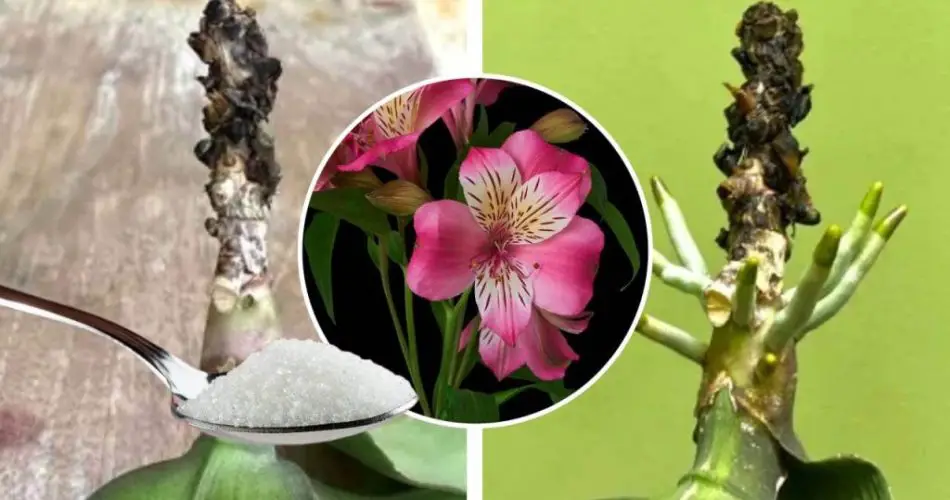
Orchids are stunning but often challenging to care for. They require close attention, and it’s easy to make mistakes with watering, soil, and exposure. Although there are many fertilizers available, unexpected issues can arise, such as dead roots and a black trunk.
When you notice these signs, immediate action is crucial. Start by removing all the rotten parts—both roots and trunk—until you reach the healthy sections of the plant.
The Secret Ingredient for Recovery

Now it’s time to focus on recovery. You’ll need a stick, an absorbent cloth, and an ingredient commonly found in kitchens: garlic powder. Garlic boasts antibacterial and antiseptic properties, reducing mold and bacteria while supplying vitamins and nutrients for a quicker recovery.
The Trick to Quickly Regrow Roots in Orchids

The process is straightforward:
- Mix a Solution: Use a teaspoon of garlic powder, add a few drops of boiling water, and mix until dissolved. Filter this mixture through gauze into a spray bottle, filling it with water.
- Water the Plant: Spray the solution generously on the entire plant, ensuring you cover the leaves and any healthy roots. Make sure to do this only after removing all blackened parts to eliminate fungi and bacteria. Dry the leaves with a damp cloth to prevent water stagnation.
- Create a Watering Setup: Cut a long, thin strip from an absorbent cloth. Take a half-liter water bottle, cut off the top, and use it as a base. Secure the orchid to a stick with cable ties, then wrap the cloth around the branch, leaving the sides hanging down. This cloth will act as a root substitute, allowing the plant to absorb water.
- Watering and Patience: Fill the bottle with water to about 1/4 full, ensuring that it only wets the cloth and not the plant itself. Place your setup in a bright location and be patient. If the leaves wilt, don’t panic; this is normal as the plant channels its energy into developing new roots.
Once the roots begin to grow, you can remove the cloth and stick, then pot your orchid in a suitable transparent pot with drainage holes, using bark that has soaked for five days and been washed.
By following these steps, you can successfully recover your rootless orchids and give them a new lease on life!