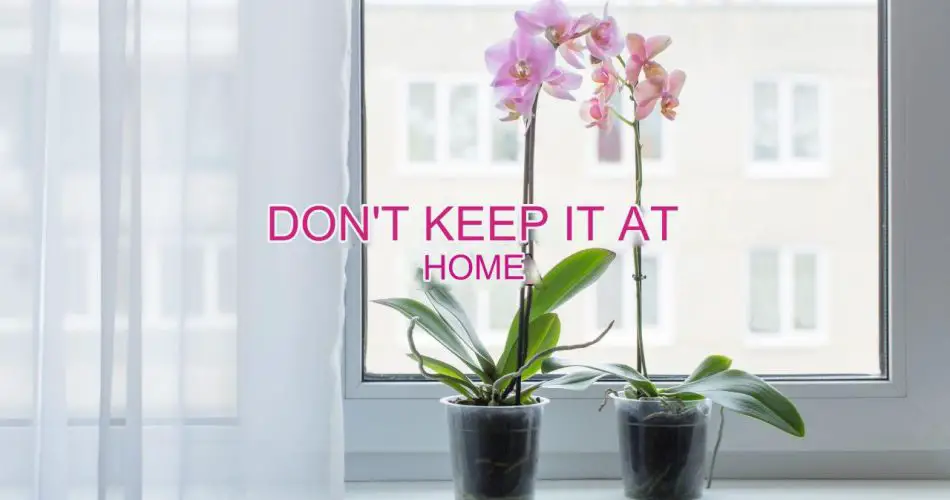
Do you enjoy keeping orchids in your home for their decorative appeal? Be cautious, as there is a stunning variety that you should never keep indoors. Want to know which one it is and why? Read on!
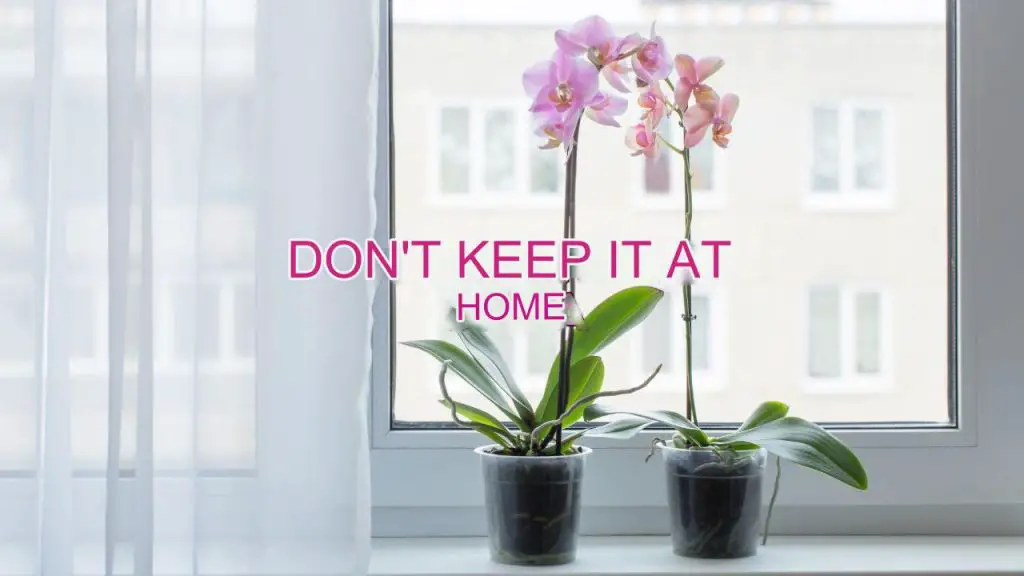
The Lady’s Slipper Orchid
Among the most beautiful flowers to grow is the orchid—an elegant and decorative plant that symbolizes passion. While many orchids make great houseplants, not all varieties can thrive indoors.
In particular, the Lady’s Slipper (or Cypripedium) is a variety you should avoid keeping inside. This unique orchid is known for its distinct slipper-shaped flower. Let’s discover why this plant belongs outdoors and where it should be grown!
Characteristics of the Lady’s Slipper

Native to Asia, the Lady’s Slipper has a creeping growth habit, developing a rhizomatous stem with leathery, ornamental leaves. The green leaves, marked with light spots, are elongated and pointed, originating from the rhizome.
Typically, the stem produces a single, large, brightly colored flower, although two may occasionally appear. These flowers last about two months, whether left on the plant or cut.
Ideal Growing Conditions

Suitable Soil
The Lady’s Slipper requires clay or sandy soil to thrive, so avoid using potting soil and peat. This plant does not appreciate direct sunlight, making a shady spot or an area with limited sun exposure ideal. Interestingly, the Lady’s Slipper is not affected by cold temperatures, so winter chills won’t harm it.
Planting Timing
Autumn and spring are the best times to transplant the Lady’s Slipper. Simply remove the buds and place them in a permanent pot or the ground for better growth. If purchasing from a nursery, carefully extract the plant from its pot and position it level with the surrounding soil—this helps protect its roots from damage.
Care Tips

Watering Schedule
In the first year, water the Lady’s Slipper generously, ensuring the surrounding soil is well-moistened. During summer, water every two days; in winter, you can reduce this to once a week. New shoots will indicate successful rooting.
After the first year, you can water the plant less frequently, similar to other garden plants. While fertilization isn’t essential, if you choose to fertilize, opt for a mix containing nitrogen, potassium, and phosphorus from March to June.
Pest Resistance
Generally, the Lady’s Slipper is not easily affected by pests. However, it’s crucial to provide the right amount of water, as overwatering can lead to root damage and promote the growth of harmful fungi and bacteria.
By following these guidelines, you can help your Lady’s Slipper thrive in its natural outdoor habitat!