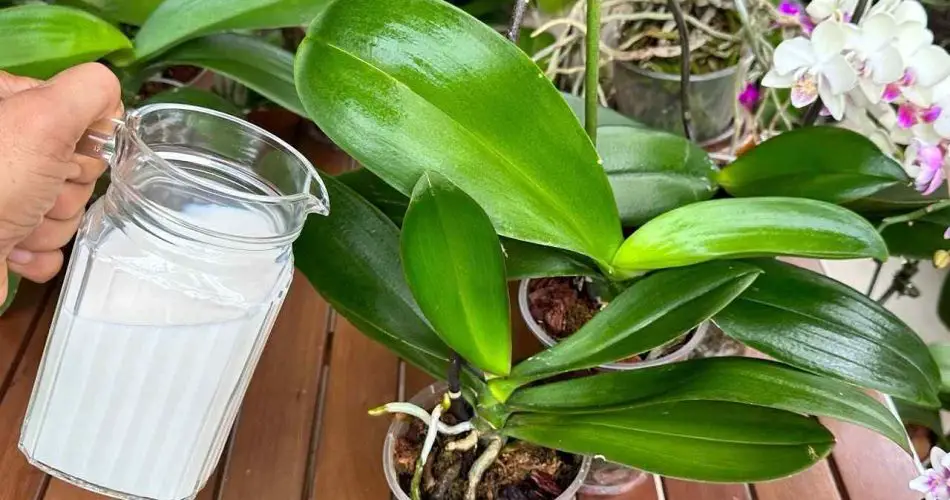
For lush, vibrant orchids or any other plants, a natural fertilizer can make all the difference. One surprisingly effective ingredient that you might already have in your kitchen is milk. This common household item, when used correctly, can provide a wealth of nutrients to your plants.
Why Milk?

Milk is a powerhouse of essential nutrients for plants. It contains:
- Calcium: Supports cell structure and root development.
- Potassium: Enhances plant growth and flower development.
- Phosphorus: Aids in energy transfer and photosynthesis.
- Nitrogen: Promotes healthy leaf growth.
These nutrients help keep your plants healthy and encourage vibrant foliage and blooms. Plus, using milk can be a great way to repurpose expired milk that might otherwise go to waste.

How to Use Milk as a Fertilizer
- Prepare the Mixture:
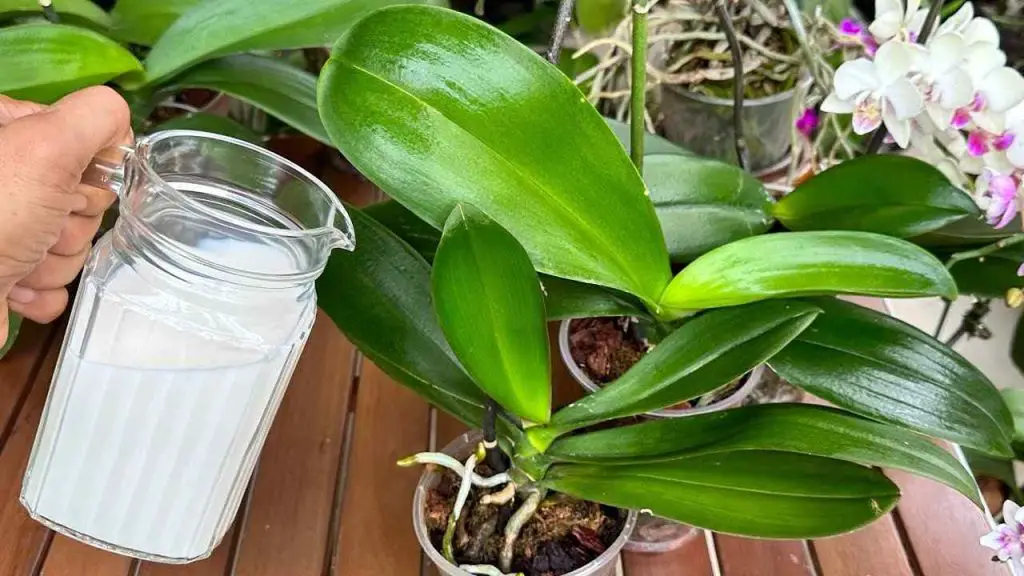
- Combine 1 liter of water with 50 ml of milk. This dilution ensures that the fertilizer is gentle enough for your plants and prevents over-fertilization.
- Pre-Wet the Soil:
- Before applying the milk solution, make sure the soil is moist. You can do this by watering the plant thoroughly. This helps the plant better absorb the nutrients from the milk mixture.
- Apply the Fertilizer:
- Pour the milk and water solution onto the soil around the base of the plant. Avoid getting the solution directly on the plant leaves to prevent potential issues like mold growth.
- For orchids, place the plant in a secondary pot and immerse it in the solution for about 30 minutes if it’s practical. This helps ensure that the roots absorb the nutrients effectively.
- Frequency:
- Use this treatment once or twice a month. Overuse can lead to imbalances in soil nutrients, so moderation is key.
- Leaf Care:
- For a cleaner, polished look, you can use a cotton pad dipped in the milk solution to gently wipe the leaves. This will remove dust and enhance leaf health.
Benefits of Using Milk:
- Enhanced Growth: The balanced mix of nutrients in milk helps promote robust plant health and vibrant growth.
- Cost-Effective: Using milk, especially expired milk, is a budget-friendly way to nourish your plants.
- Environmental Impact: Repurposing milk reduces waste and provides a natural alternative to commercial fertilizers.

Additional Tips:
- Storage: Store any unused milk solution in the refrigerator and use it within a week.
- Check for Reactions: Monitor your plants for any adverse reactions, especially if they are not accustomed to new treatments.
By incorporating milk into your plant care routine, you can enjoy healthier plants with beautiful, vibrant leaves and flowers throughout the year. Give this simple, natural method a try, and you’ll likely see noticeable improvements in your garden’s vitality!