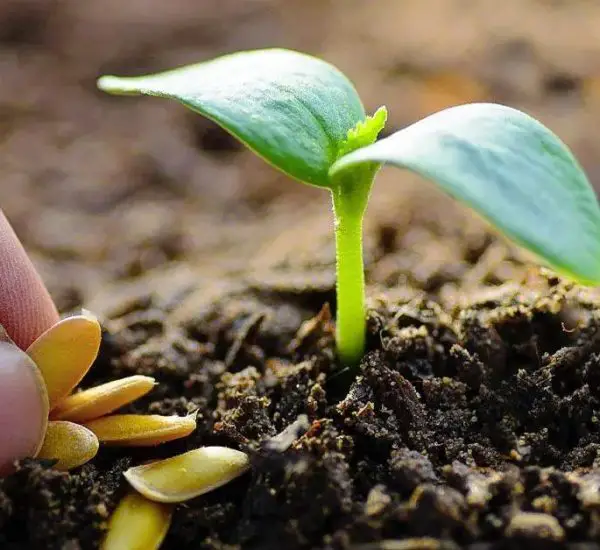
Growing potatoes is a rewarding endeavor that hinges on careful cultivation practices. Among these, hilling or turning the potatoes plays a crucial role in ensuring a robust yield. Here’s how and when to do it effectively to maximize your potato crop by up to 30%.
Why is Hilling Potatoes Important?
Hilling serves multiple purposes essential for healthy potato growth:
- Increases Nutrition Area: Turning the soil around the plants encourages the formation of additional roots, expanding the area for nutrient and moisture absorption.
- Frost Protection: The mounded soil provides insulation against frost, safeguarding tender young sprouts.
- Improves Aeration: Loosening the soil enhances oxygen penetration to the roots, vital for optimal plant development.
- Weed Control: Hilling helps suppress weed growth, preventing competition for nutrients and reducing the risk of disease and pests.
- Stimulates Tubers: By hilling up the soil around the stem base, it promotes the formation of stolons where potatoes develop.
How Often to Hill Potatoes?
Timing and frequency are crucial:
- First Hilling: Typically done when plants reach 5-10 cm in height shortly after emergence.
- Second Hilling: About 2-3 weeks after the first, when plants are 20-30 cm tall.
- Third Hilling (Optional): Before flowering, though not recommended during flowering to avoid damaging flowers and buds.
Best Practices for Hilling Potatoes:
- Depth: Avoid burying plants too deeply to prevent stem rot and yield reduction.
- Consistency: Ensure uniformity in hilling all plants within a row for equal nutrient access.
- Timing: Avoid hilling after rainfall to prevent soil compaction and oxygen restriction.
Tools for Hilling:
Choose from a sod, hiller, or cultivator depending on the scale of your potato patch.
Mastering the technique of hilling potatoes ensures healthier plants and a more abundant harvest. By following these guidelines, you can cultivate thriving potatoes that will reward your efforts with ample, high-quality tubers come harvest time.