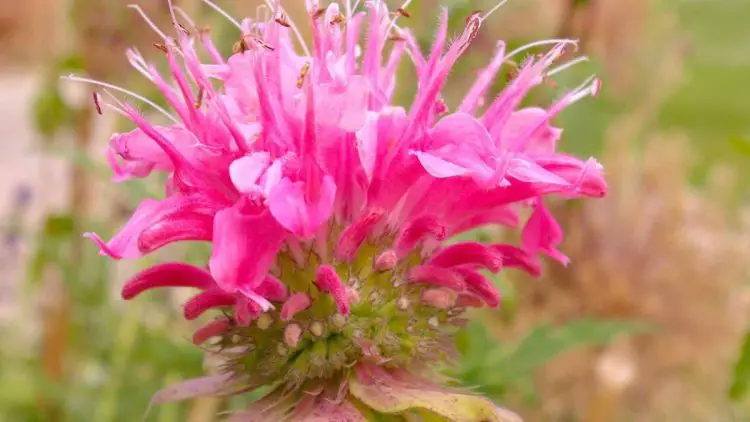
Indian nettles, with their vibrant clusters of flowers, add a touch of elegance to perennial flower beds. To ensure these striking plants thrive and continue to bloom abundantly, it’s essential to provide them with proper care and maintenance. With these professional tips, you can keep your Indian nettles healthy, vibrant, and flourishing in your garden.
- Choose the Right Location:
- Indian nettles encompass a variety of species, each with its own ecological preferences. Understanding these preferences is key to successful cultivation.
- Species like Monarda didyma, or scarlet nettle, thrive in semi-shaded areas, such as forest edges, where the soil is cool and moist.
- On the other hand, species like Monarda fistulosa prefer sunny, dry conditions typically found in meadows.
- When selecting a location for your Indian nettles, consider not only the appearance of the flowers but also the specific requirements of each species.
- Ensure the soil is permeable and rich in nutrients, avoiding stagnant water in the subsoil. If drainage is a concern, incorporate coarse sand or gravel into the planting hole.
- Enrich poor soil with compost in spring to provide essential nutrients for healthy growth.
- Regular Pruning:
- Pruning Indian nettles after flowering promotes vitality and encourages fresh foliage to emerge.
- Hybrids should be pruned a hand’s width above the ground, allowing new growth to flourish. While this may sacrifice their attractive winter appearance, it supports their long-term health.
- Single-varietal Indian nettles may not require pruning, but rhizomes should be divided every three years to prevent overcrowding and maintain vigor.
- Combat Powdery Mildew:
- Indian nettles are susceptible to powdery mildew, particularly in non-optimal growing conditions.
- Powdery mildew presents as a gray veil covering the plant, often caused by compacted, soggy substrates, high humidity, and poor air circulation.
- Select resistant varieties like ‘Squaw’ and ‘Jacob Cline’ of Monarda didyma, or hybrids of Monarda fistulosa, to mitigate powdery mildew issues.
- Prune infected plants generously and consider preventive measures such as watering during droughts and spraying with a mixture of milk and water to deter powdery mildew.
By implementing these professional tips for Indian nettle maintenance, you can ensure your perennial flower beds are teeming with vibrant blooms and healthy foliage. With proper care, your Indian nettles will continue to enchant with their beauty while attracting beneficial insects to your garden.
Show Comments