Not everyone appreciates the full range of benefits that come with having a fig tree. If you’re fortunate enough to have one in your garden, you’ll discover it’s a true treasure. Read on to uncover why.

Fig Tree in the Garden
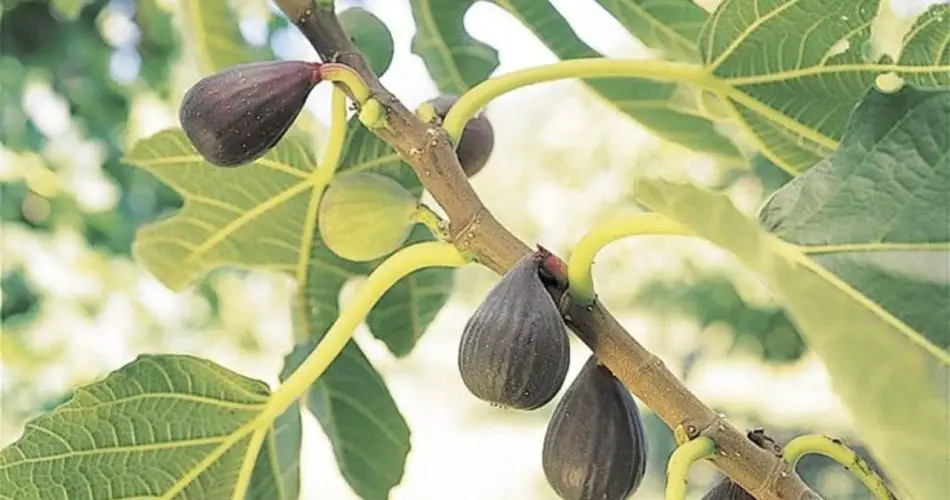
A fig tree can live for up to 60 years and offers numerous benefits. It thrives in sunny spots protected from wind and frost, growing optimally in such conditions. The fruits of the fig tree are not only delicious but also bring various health advantages.
Nutritional Benefits of Figs
Figs are packed with essential nutrients such as iron and calcium, making them especially beneficial for those with anemia. They also contain potassium, which is crucial for maintaining healthy blood pressure levels. The fig tree’s benefits extend beyond just its fruit; every part of the plant has value.
Additional Benefits of the Fig Tree
Beyond the direct consumption of figs, the entire plant can be utilized for its health benefits. Legend has it that a fig tree in your garden can help ward off health issues and reduce the need for medical visits. Its various parts can be used to make herbal teas, infusions, and decoctions, which can aid in alleviating some health conditions. The fig plant acts as a natural anti-inflammatory, providing relief for mild or occasional pain without medication.
Making an Infusion with Fig Leaves
To harness the therapeutic benefits of fig leaves, you can make a simple infusion. Here’s how:
- Preparation: Fill a small pot with water and bring it to a boil. Add about 20 fig leaves per liter of boiling water.
- Usage: This infusion can be used to reduce inflammation and aid digestion. For ulcers, drinking this infusion up to twice daily can be effective. Additionally, chewing a couple of fig leaves on an empty stomach can offer similar benefits.
Using Fig Shoots

Fig shoots can also be utilized to create a special decoction. For this, add around 50 young shoots per liter of water. This decoction is beneficial for alleviating chronic constipation.
Long-Term Benefits of a Fig Tree

Planting a fig tree in your garden is a long-term investment in your health. Besides enjoying the fruit, which begins to appear in the second year and increases significantly from the fourth year onward, you’ll have a natural ally in maintaining your well-being. Typically, fig trees produce fruit twice a year—once between May and June and again in mid-autumn.
Embrace the many advantages a fig tree offers, from its delicious fruit to its various health benefits, and enjoy a lush and fruitful addition to your garden.