
The lemon tree, a member of the Rutaceae family, is known for its ability to produce fruit multiple times a year. Native to Asia, the tree blooms with fragrant white or pink flowers, which give way to its prized citrus fruits. To boost lemon production and protect your tree from diseases, regular pruning is essential. Here’s everything you need to know about pruning your lemon tree for optimal fruiting.
Why Prune a Lemon Tree?
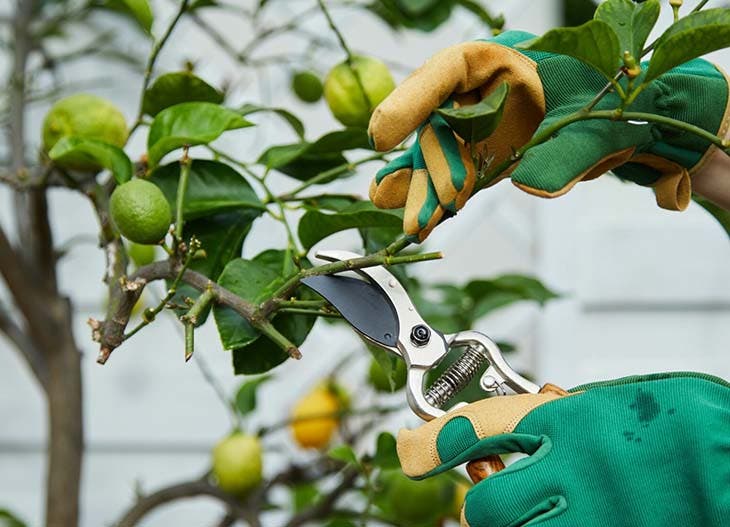
Pruning your lemon tree serves several important purposes:
- Promotes fruiting by encouraging new growth.
- Maintains the tree’s health and structure.
- Helps the tree resist diseases by removing dead or damaged wood.
Proper pruning ensures a bountiful harvest and helps your tree remain healthy year-round.
Types of Pruning for Lemon Trees
Lemon trees undergo three types of pruning:
- Formative Pruning: This is done when the tree is still young to shape it properly. It prepares the branches to support future growth and gives the tree its desired form.
- Maintenance Pruning: Done every 2 years during the tree’s growth phase, this pruning removes dead or unruly branches and allows for better air circulation and light capture. Perform this pruning after fruiting to avoid impacting the harvest.
- Fruiting Pruning: This is typically carried out once the tree is 3 years old or older. Its goal is to improve citrus production by encouraging stronger fruit-bearing branches.
When to Prune a Lemon Tree
There are three ideal times to prune your lemon tree:
- End of Winter: Before the new growth begins, prune to prepare for the upcoming growing season.
- After Fruiting: Once the tree has finished producing fruit, prune to encourage future growth.
- Before Flowering: Prune to ensure the tree’s structure is healthy and ready for another blooming cycle.
You may also prune one month after the appearance of new shoots since lemon trees can flower and fruit up to 8 months out of the year.
How to Prune a Lemon Tree Properly
To prune your lemon tree effectively:
- Use sharp, disinfected pruning shears to make clean cuts. This helps prevent the spread of diseases and ensures the cuts heal quickly.
- Remove branches that harm the shape of the tree. Start by focusing on the scaffold branches (strong branches directly coming from the trunk), as these are critical for future fruit development. Cut away branches that are too low, cross each other, or grow inward.
- Encourage scaffold branch growth by ensuring that the branches are spaced evenly and are not blocking sunlight or airflow.
- Avoid cutting into the leaf axils, where new buds and shoots are forming. This helps the tree regenerate and continue growing strong.
- Pinch off suckers—small, unproductive shoots that come from the trunk. These waste energy and sap, which could otherwise support fruit-producing branches.
How to Care for Your Lemon Tree

Growing a healthy lemon tree is relatively simple, whether it’s planted in the ground or in a pot. Here are some care tips to keep your tree thriving:
- Sunlight: Lemon trees love sunlight and need 7 to 8 hours of exposure each day to thrive.
- Soil: They prefer slightly acidic soil that is also well-drained. Consider using spring water or non-calcareous water at room temperature to avoid mineral buildup in the soil.
- Watering: Only water when the soil is dry to prevent root rot. Ensure proper drainage to avoid waterlogging.
- Fertilizing: Use a citrus-specific fertilizer every 15 days during the growth period to support healthy fruiting.
- Pest Protection: Protect your tree from common pests like cochineal, aphids, and brown rot, which can damage leaves and fruit.
By mastering the art of pruning, you’ll ensure your lemon tree stays healthy and productive, offering you abundant harvests year after year.


