Planting basil is relatively straightforward, but to ensure a healthy and thriving plant, it’s important to consider the ideal time, location, and proper care.
Here’s a guide to planting and caring for basil:
Ideal Time:
- Plant basil from the end of April when temperatures consistently stay above ten degrees Celsius, both during the day and at night.
- For early harvesting, start basil seeds indoors on a windowsill in March.
Location:
- Basil requires plenty of sunlight and warmth, so choose a sunny spot in your garden or balcony.
- Ensure the location is sheltered from strong winds.
- Use moist, water-permeable soil, and avoid areas prone to water accumulation.
- Maintain a minimum temperature of ten degrees Celsius and protect basil from frost.
Planting:
- Pre-Cultivation:
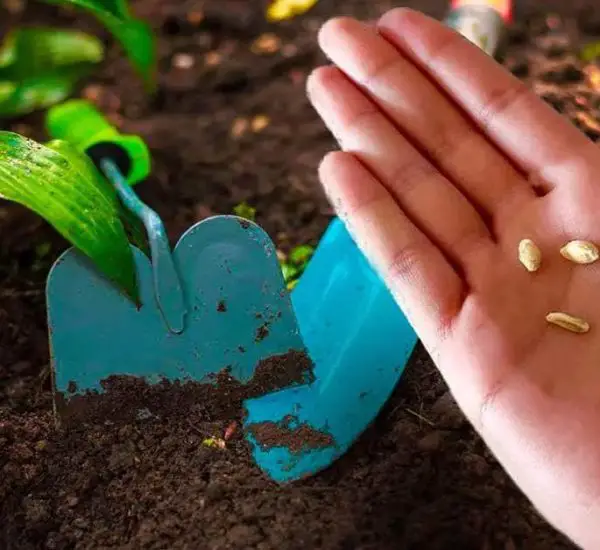
- Sprinkle basil seeds on the soil surface in a seed tray or flower pot indoors.
- Lightly water after sowing.
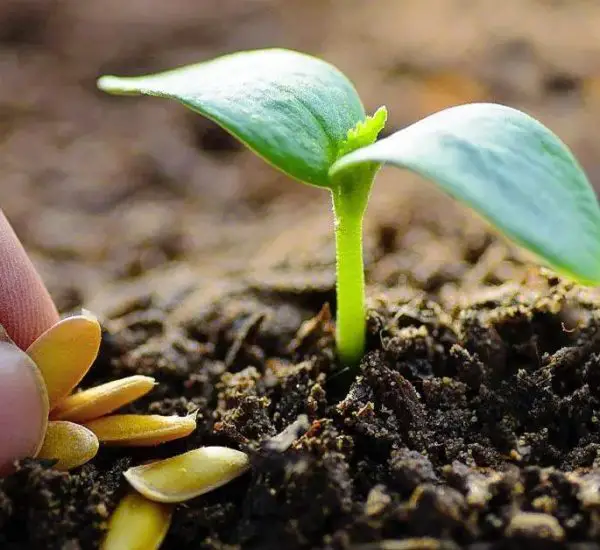
- Once seedlings emerge, space them about five centimeters apart.
- When the plants are larger and weather warms, transplant them to the garden or larger containers, spacing them around 20 centimeters apart.
- Basil Care:
- Provide ample space between plants to prevent overcrowding and promote airflow.
- Regularly fertilize basil plants with organic fertilizers like coffee grounds to encourage healthy growth.
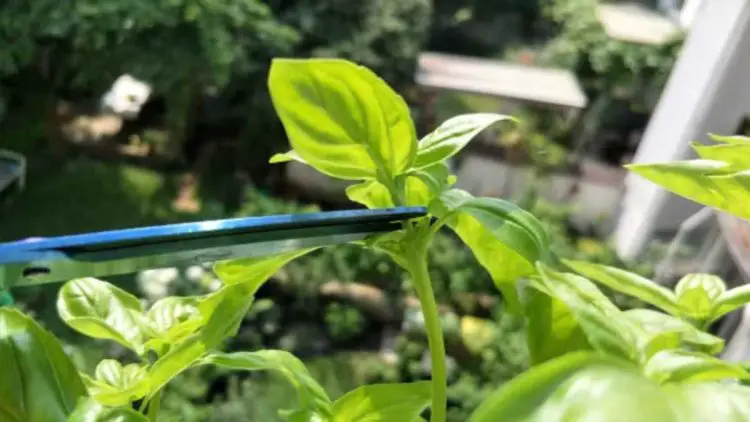
- Prune basil regularly, especially before flowers form, to promote bushier growth. Cut stems just above a leaf node to encourage new growth.
- Avoid pruning individual leaves; instead, harvest entire branches to encourage continuous growth and flavor.
- Watch for pests, especially midges, and take preventive measures to protect the plants, such as using organic insecticides or introducing beneficial insects.
- Consider growing new plants from cut stems by placing them in water until roots form, then transplanting them into soil.
Purchased Basil:
- Opt for organic basil to avoid synthetic pesticides.
- Transplant supermarket basil into larger containers with fresh soil for continued growth.
- Harvest basil by cutting entire branches for prolonged plant health and flavor.
By following these guidelines, you can ensure your basil plants thrive and provide you with a bountiful harvest of aromatic leaves for culinary use.
Show Comments