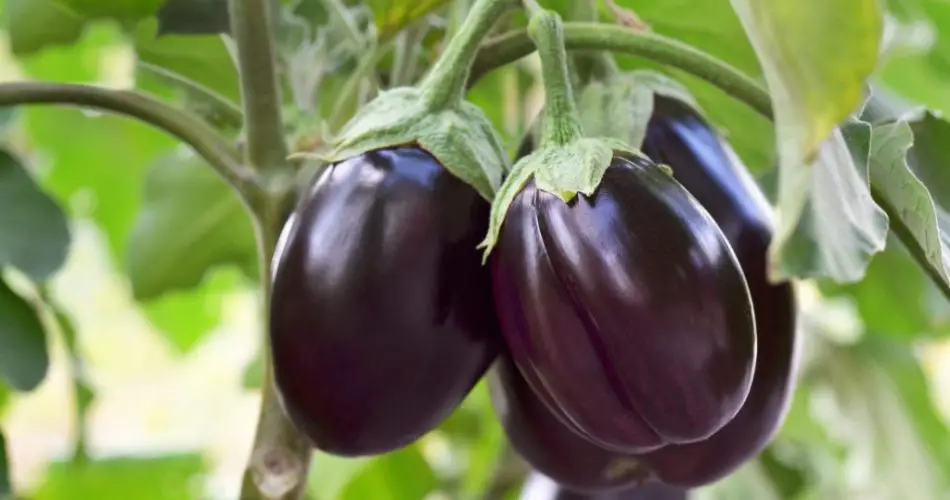
Want to grow beautiful, healthy eggplants at home? Whether you have a small garden or a large outdoor space, growing eggplants is easy and rewarding. Plus, it reduces your environmental impact by avoiding supermarket transportation and storage.
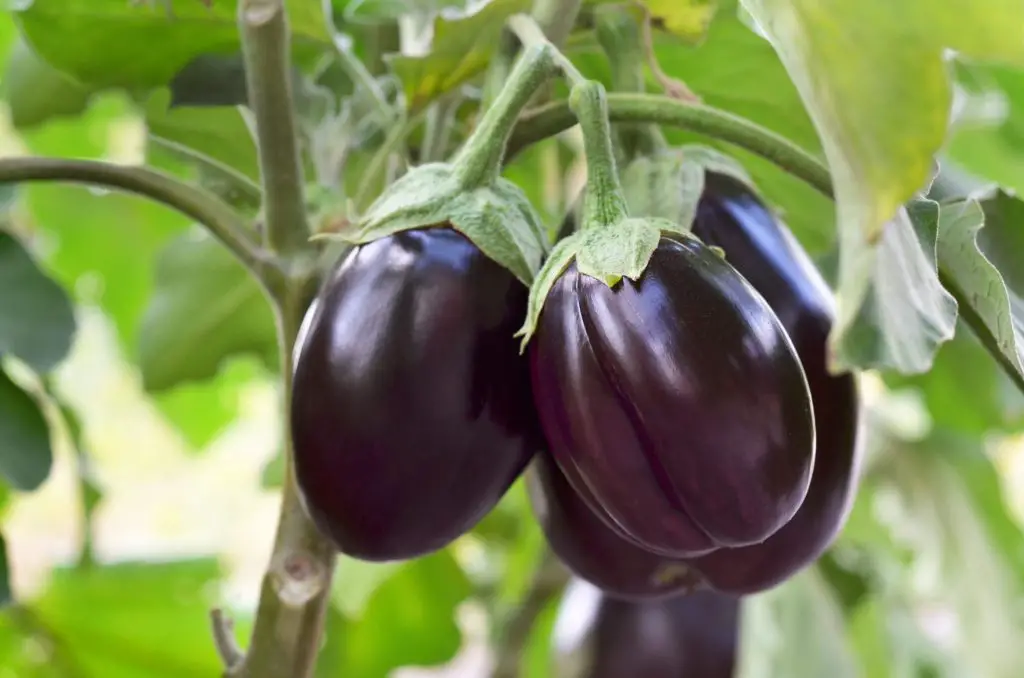
Eggplants are nutrient-rich, versatile in cooking, and satisfying to grow. Follow these simple steps to cultivate your own delicious eggplants.
📅 1. Planning Your Eggplant Harvest
Eggplants are warm-season plants that thrive in heat but suffer in cold temperatures.
✔️ Ideal planting time: Late March to mid-May (after the last frost).
✔️ Choose a variety based on climate:
- Hot climates: Violetta di Firenze or Rosa di Gandolfo (early and short-cycle varieties).
- Temperate climates: Tonda Nero di Milano or Lunga Violetta (medium-cycle varieties).
- Cool climates: Black Beauty or Mini Delizia (compact, early-ripening varieties).
🌿 2. Preparing the Soil
Proper soil preparation is key to healthy eggplants. Follow these steps for optimal growth:
✔️ Best time: Autumn, after harvesting summer crops.
✔️ Remove weeds and old plant debris to prevent diseases.
✔️ Dig 30-40 cm deep to improve soil aeration and drainage.
✔️ Add organic matter (compost or well-rotted manure) for better soil fertility.
🌱 3. Sowing Eggplant Seeds
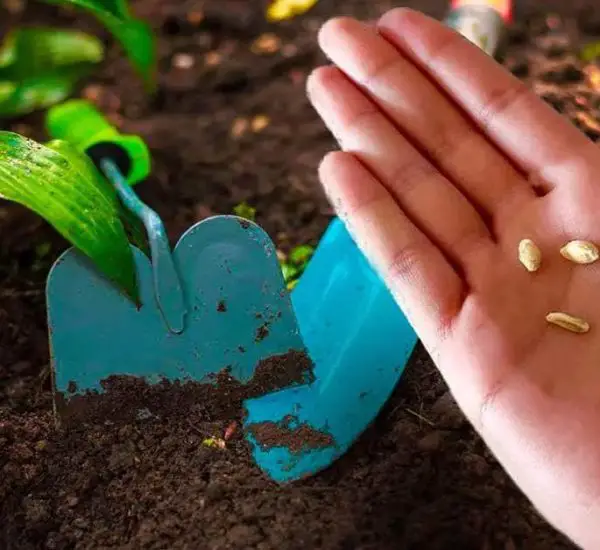
✔️ Fill seed trays or containers with nutrient-rich soil.
✔️ Moisten the soil slightly before planting.
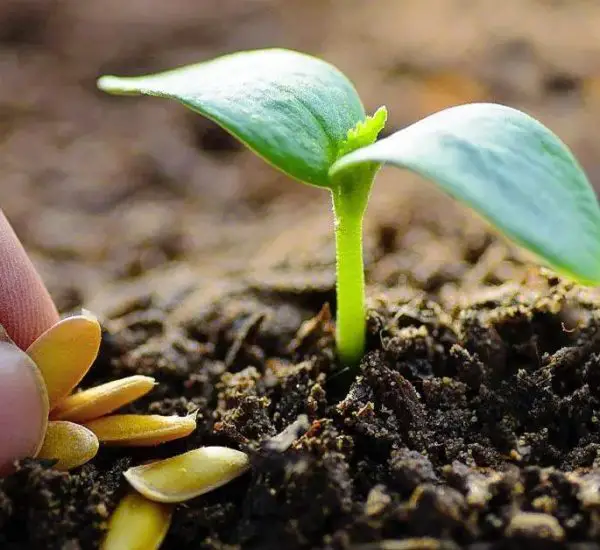
✔️ Place seeds 0.5 cm deep and 2-3 cm apart.
✔️ Keep the soil moist but not soggy for proper germination.
🌱 4. Transplanting Eggplant Seedlings
When seedlings reach 10-15 cm in height and have 4-5 true leaves, they are ready for transplanting.
✔️ Transplant on a cloudy day or in the evening to reduce stress.
✔️ Space plants 40-50 cm apart to allow good air circulation.
✔️ Water immediately after transplanting to help the roots establish.
💧 5. Watering and Fertilizing
✔️ Water every 2-3 days in summer or when soil feels dry.
✔️ Avoid overwatering, which can cause root rot.
✔️ Use organic fertilizer to promote healthy fruit development.
✂️ 6. Pruning for Stronger Plants
Pruning isn’t essential but can improve growth, fruit size, and plant health.
How to Prune Eggplants:
✔️ Remove suckers (small shoots at the base) to concentrate energy on fruit production.
✔️ Trim weak or inward-growing branches to improve air circulation.
✔️ Top the main stem when the plant reaches 60-70 cm to encourage lateral branching.
✔️ Remove the first flowers to enhance later fruit quality.
🐞 7. Protecting Eggplants from Pests and Diseases
Eggplants are prone to pests and diseases, but you can protect them naturally.
🌿 Natural Methods:
✔️ Garlic or chili infusion – effective against aphids, thrips, and whiteflies.
✔️ Marseille soap spray – helps control aphids and scale insects.
✔️ Neem oil – fights fungal infections and insect infestations.
🦠 Organic Solutions:
✔️ Introduce beneficial insects (ladybugs to control aphids).
✔️ Use Bacillus thuringiensis to combat the Colorado potato beetle.
✔️ Apply copper-based treatments to prevent fungal diseases.
🌱 Final Thoughts
Growing eggplants at home is an eco-friendly, nutrient-rich, and satisfying experience. By following these simple steps, you’ll enjoy delicious homegrown eggplants all season long!
Have you grown eggplants before? Share your gardening tips below! ⬇️🍆