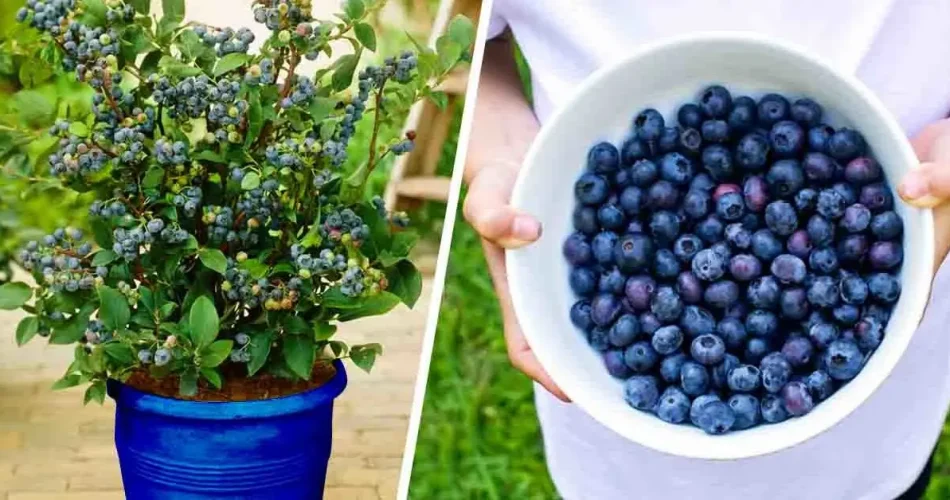
Blueberries are not only delicious but also packed with vitamins and minerals. Known for their slightly sweet taste, these small, dark red to purple berries are rich in vitamin K, magnesium, potassium, calcium, iron, and zinc. Whether used in pies, muffins, or juices, they add flavor while providing significant health benefits. If you’re tired of buying blueberries, why not grow your own at home? Here’s how to plant blueberries and ensure you have a steady supply right from your garden or balcony!
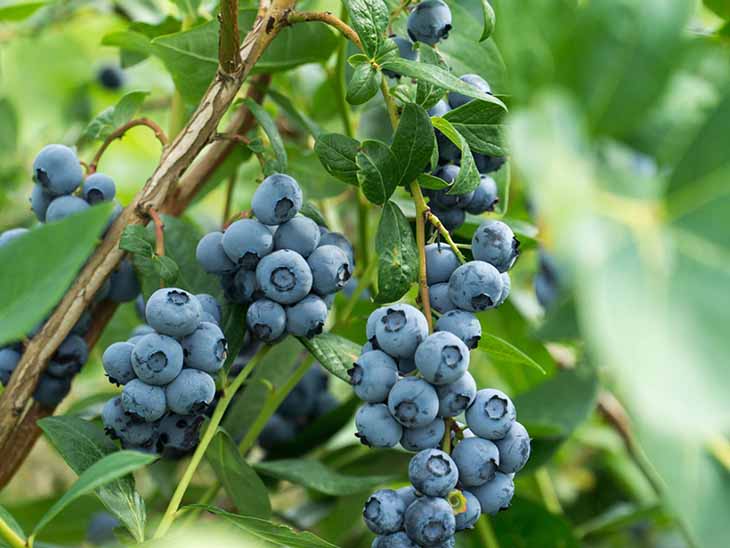
Two Species of Blueberry Bushes to Consider 🌱

When planting blueberries, it’s important to know which species you are working with. There are two main types of blueberry bushes:
- Vaccinium myrtillus: Known as wild blueberry, this variety typically grows to 20-50 cm tall and thrives in heather soil in woodlands and moors. It’s often grown for wild harvesting.
- Vaccinium corymbosum: This shrubby blueberry variety can grow to 1.5-2 meters tall, making it perfect for growing in garden soil, vegetable gardens, or large pots on balconies. It produces clusters of white bell flowers in May, followed by berries that ripen in summer.
How to Plant Blueberries at Home 🌿
Choosing the Right Location 🌞
Blueberry bushes prefer full sunlight or partial shade for optimal growth. Make sure to choose a location with well-drained, acidic soil that is free of limestone. This is crucial to the plant’s health, as blueberries thrive in highly acidic conditions.
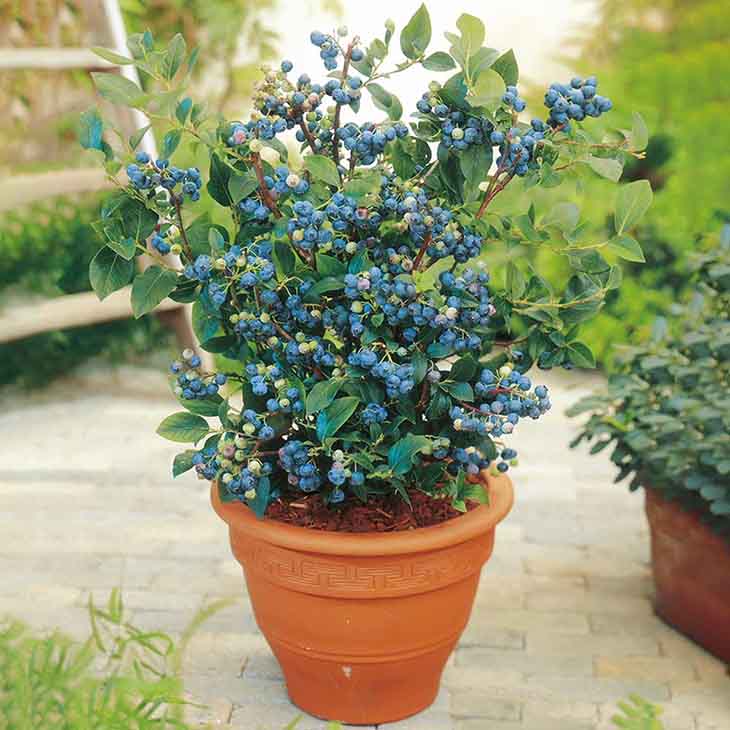
Planting in Pots 🪴
If your garden doesn’t have the right soil, you can easily grow blueberries in a pot! Here’s what you’ll need to do:
- Choose a large container: Use a spacious pot that has good drainage.
- Add drainage: Place a layer of clay balls or gravel at the bottom of the pot.
- Fill with soil: Use heather soil and mix it with 1/10 compost or potting soil to retain moisture.
- Plant in fall for optimal rooting: If you plant in fall, the shrub will have time to establish strong roots. If planting in spring, make sure to water regularly for healthy growth.
How to Maintain Your Blueberry Bush 🌳

To ensure your blueberry bush thrives, it’s important to care for it properly.
Fertilization and Mulching 💧
- Start fertilizing with rhododendron fertilizer from March onwards.
- In fall, apply pine bark or pine needles as mulch to preserve the soil’s acidity and protect the roots.
Watering 💦
- Blueberries require regular watering, especially during dry spells. Make sure to use non-calcareous water (free from high levels of calcium) for watering.
- In winter, be sure to remove dead wood from the bush, but avoid pruning the plant as this can affect its growth.
Propagation 🌱
- Blueberries can be propagated by cuttings, division, or layering, allowing you to easily multiply your bushes for even more berries.
Conclusion 🍇
Growing your own blueberries at home is a rewarding experience that saves you money while providing fresh, healthy fruit. With the right care, you’ll have an endless supply of these nutritious berries to enjoy in various dishes. Whether you plant them in the garden or a large pot, you can harvest and savor the fruits of your labor year after year. Follow these simple tips to get started on your blueberry-growing journey! 🌱


