Freezing fresh parsley and other aromatic herbs is a great way to preserve their flavor and use them later in your favorite recipes. Here’s a simple guide to freezing parsley and other herbs:
1. Washing and Drying:
- Start by cleaning the herbs thoroughly under cold running water to remove any dirt or debris.
- Gently pat the herbs dry with paper towels or a clean kitchen towel. Ensure they are completely dry to prevent ice crystals from forming during freezing.
2. Freezing Fresh Parsley:
- Option 1: Reusable Freezer Bags
- Remove the stems from the parsley leaves and wash them.
- Dry the leaves thoroughly and cut them if desired.
- Place the parsley leaves in a reusable freezer bag, remove excess air, and seal tightly.
- Label the bag with the date and freeze. Parsley can be frozen for up to 6 months.
- Option 2: Ice Cubes
- Wash and dry the parsley leaves, then remove the stems.
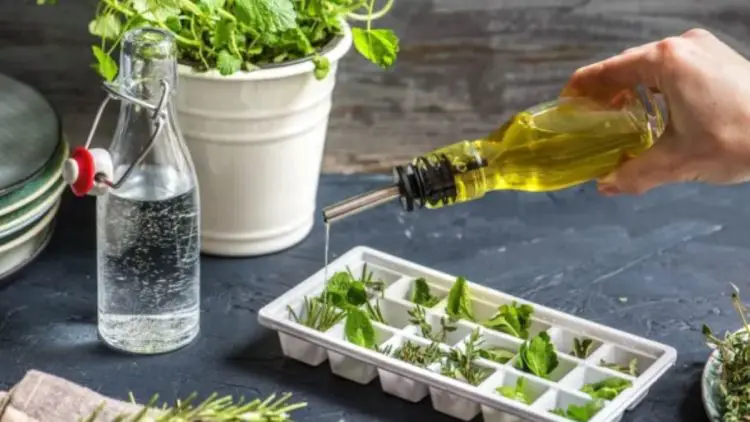
- Place the leaves in a blender and add water or olive oil to make a thick puree.
- Pour the puree into ice cube trays and freeze until solid.
- Once frozen, transfer the parsley cubes to a freezer bag, label, and return them to the freezer.
3. Freezing Other Aromatic Herbs (Chives and Basil):
- Chives:
- Wash and finely chop the chives, then pat them dry.
- Option 1: Ice Cubes – Fill ice cube trays with chopped chives and cover them with water or olive oil. Freeze until solid, then transfer the cubes to a freezer bag.
- Option 2: Dry and Freeze – Place the chopped and dried chives in a jar or freezer bag and freeze. Use within 6 months.
- Basil:
- Rinse the basil leaves and spread them out on paper towels to dry completely.
- Once dry, place the basil leaves in a zip-lock bag and freeze. Alternatively, you can freeze them in ice cube trays with water or olive oil.
By following these simple methods, you can enjoy the flavor of fresh parsley, chives, basil, and other aromatic herbs all year round. Just remember to label your freezer bags or containers with the date so you can keep track of how long they’ve been stored.
Show Comments