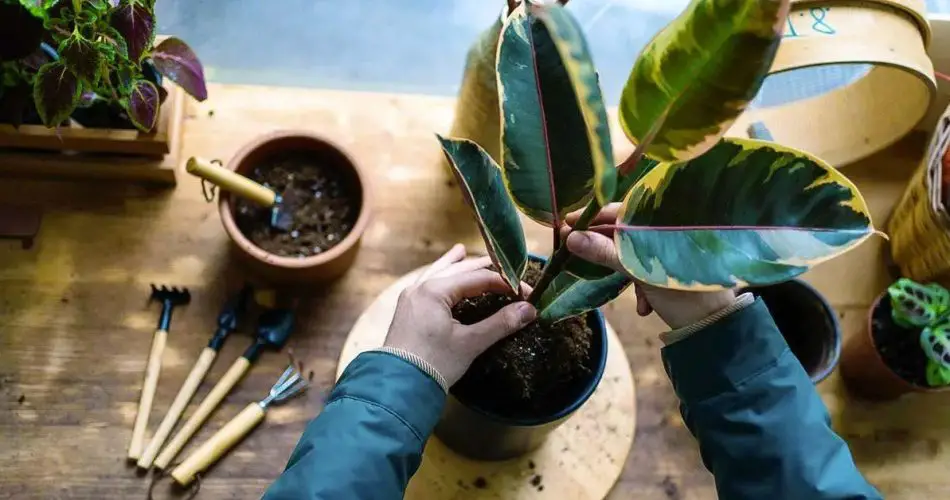
Flower pots are much more than just containers for plants; they are key to both the health of your plants and the aesthetic of your space. Whether you’re an amateur gardener or an experienced one, selecting the right flower pot is crucial to optimizing plant growth. In this article, we will explore the different types of flower pots and the criteria you should consider when choosing the perfect one for your plants.
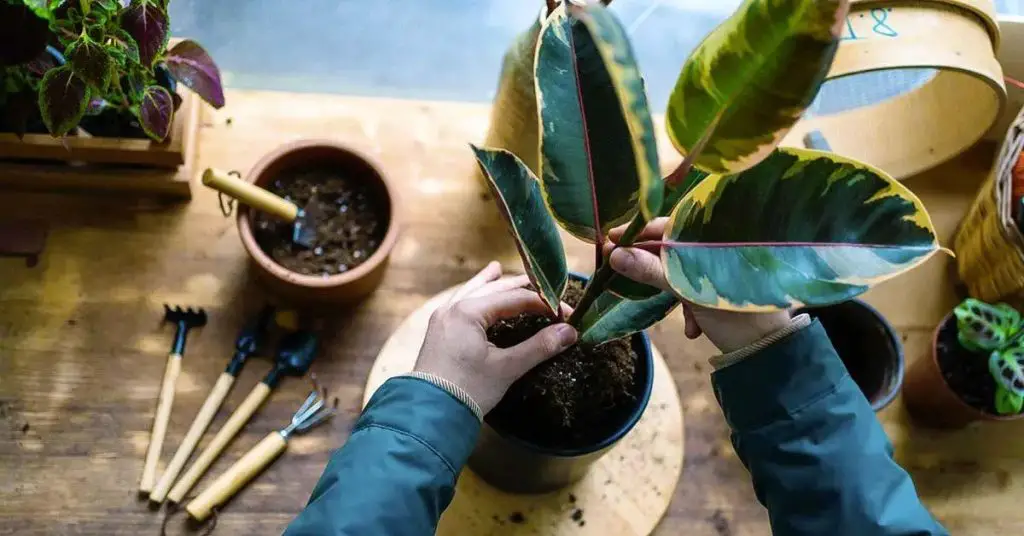
The Flower Pot: Your Plant’s Best Ally
A flower pot plays a vital role in the growth and health of your plant. It provides a controlled and stable environment, ensuring your plants get the right amount of space, water, and nutrients. Flower pots also allow you to move plants according to their needs, seasons, and changing weather conditions, making them versatile tools for both indoor and outdoor gardening.
Aside from its functional role, a flower pot also contributes to the aesthetic of your home, garden, or balcony. With a wide variety of styles, materials, and colors, flower pots can enhance the look of your space while protecting your plants.
Types of Flower Pots
There are various types of flower pots available, each serving different needs. Let’s explore the most common types you’ll find on the market:
1. Decorative Pots
Decorative flower pots come in a variety of shapes, colors, and materials, allowing you to match them with your personal style and space. Whether you want a colorful, eye-catching pot or something sleek and modern, there’s a perfect decorative pot to suit your aesthetic and create a vibrant atmosphere.
2. Hanging Pots
Hanging pots are a fantastic solution for saving space while adding greenery to your environment. Ideal for balconies, patios, or small gardens, hanging pots create a vertical plant display that is both practical and visually appealing. They allow you to expand your planting area without taking up precious ground space.
3. Self-Watering Pots
Self-watering pots (or self-watering planters) are designed with built-in water reservoirs, allowing plants to gradually absorb the water they need without risk of overwatering. This feature makes them ideal for busy gardeners, as they reduce the frequency of watering while maintaining optimal moisture levels. Some self-watering pots also regulate the temperature of the substrate, preventing the soil from overheating and ensuring better plant growth.
4. Planters
A planter is a larger, generally rectangular container, often used for planting multiple plants in one place. Planters are perfect for balconies or gardens where you want to group several plants together, creating a harmonious display. Their size and shape make them excellent for maximizing space while achieving a cohesive visual effect.
How to Choose the Best Flower Pot
When selecting the best flower pot for your plants, it’s important to consider several factors, including the size of your plant, material preferences, and the specific needs of your plants. Here’s a guide to help you make the right choice:
1. Dimensions and Depth
The size and depth of your pot should align with the size of the plant you wish to grow. A pot that is too large can cause the plant to become waterlogged, while one that is too small may restrict root growth. Always consider how large your plant will grow at maturity and choose a pot that accommodates it comfortably.
2. Material Choice
Flower pots come in a variety of materials, each offering different benefits:
- Ceramic and porcelain pots provide an elegant look and retain moisture well.
- Metal pots are stylish but can overheat in direct sunlight.
- Plastic pots are lightweight and affordable but may lack the aesthetic appeal of other materials.
- Wooden pots are environmentally friendly but may need additional care to prevent decay.
Select the material based on your plants’ needs and your preferred aesthetic.
3. Flower Pot Maintenance
Maintaining your flower pots is essential to ensure your plants remain healthy. Here are some key maintenance tips:
- Ensure proper drainage: Always check that your pots have drainage holes to avoid waterlogged soil, which can lead to root rot.
- Rotate your plants: To ensure even growth, rotate your pots regularly so all sides of the plant get equal exposure to light.
- Clean your pots regularly: Prevent mold and disease by cleaning your flower pots from time to time, especially if they have been exposed to stagnant water or pests.
Conclusion
Choosing the right flower pot for your plants is essential for their health and for creating a beautiful, thriving environment in your garden or home. By considering the dimensions, material, and specific needs of your plants, you can select a flower pot that suits both your plants and your aesthetic preferences. Whether you’re looking for decorative pots, space-saving hanging pots, or self-watering planters, there’s a wide range of options available to meet your needs.
Now that you know how to choose and use flower pots, it’s time to explore the many models available and give your plants the attention and care they deserve. Enjoy the beauty of your garden and create a space that truly reflects your style!


