Taking care of indoor plants involves a series of daily and periodic tasks that help foster their growth and well-being. By following these essential guidelines, you can ensure your plants thrive in your home.

Choosing the Right Location for Your Indoor Plants
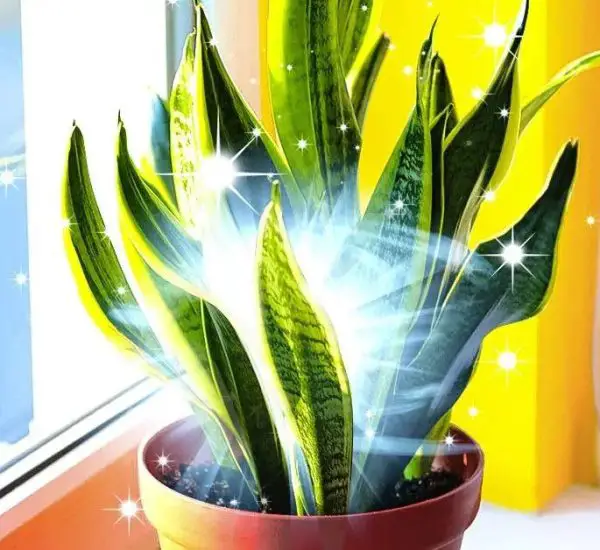
To properly care for indoor plants, the first step is selecting a suitable location in your home. It is generally advisable to place houseplants in cool, bright, and well-ventilated areas, but avoid strong air currents. A spot near a window or a door that provides good sunlight filtering is ideal. However, radiators should be avoided, as they can dry out plants.
Cleaning Your Indoor Plants
Regular cleaning is essential for maintaining healthy indoor plants. Dust tends to accumulate on the leaves, which can promote the growth of fungal spores and clog the plant’s respiratory pores. To properly care for indoor plants, gently clean them with a soft, damp cloth or use a brush. It’s also important to remove any withered or dry leaves to keep the plant in optimal condition.
Watering Your Indoor Plants
Watering is another critical aspect of plant care. Since each plant has specific water requirements, it’s essential to research the watering frequency and the amount needed for each plant. Overwatering or underwatering can stress the plant and hinder growth. During spring, you should administer a slow-release fertilizer (either liquid or granular) to encourage healthy flowering and robust growth.
Repotting and Fertilizing Indoor Plants
Repotting should be done only when necessary, usually at the end of winter, to ensure the plant has room to grow. A good rule of thumb is to repot your plant if it has outgrown its current container or if the soil needs refreshing. In addition, adding fertilizer helps provide necessary nutrients for continuous growth and flowering.
Common Threats to Indoor Plants and How to Avoid Them
To properly care for your plants, it’s essential to watch for potential threats that could hinder their development.
- Scale insects: These small, woolly, white, shield-shaped insects feed on the plant’s sap. If you spot them, act quickly by removing the insects one by one.
- Other pests: Keep an eye out for any other insects that may damage your plants. Early intervention is key.
- Dark spots or black edges: If the leaves of your plant show signs of dark spots or black edges, it could indicate the plant is in a place that’s too humid or cold. Reduce watering or move the plant to a less humid environment.
- White spots and deteriorating plants: If your plant shows white spots and appears to be deteriorating, it may be suffering from powdery mildew. A fungicide treatment is necessary to treat this condition.
- Dry and fragile leaves: If your plant’s leaves are dry and fragile, it may need to be moved to a cooler, more ventilated area.
Conclusion
By following these tips, you can keep your indoor plants healthy and flourishing. Remember to choose the right location, clean your plants regularly, and provide the correct watering, fertilization, and repotting. Keep an eye on common pests and diseases to prevent damage, and your indoor garden will thrive beautifully.